Soldering Irons
Soldering irons are hand-held tools that serve as the primary instrument for creating reliable, permanent metal-to-metal joints. By generating and applying controlled heat through a metal tip, the tool enables the melting of solder wire. This molten solder then flows into the joint between the components, forming a strong bond once it cools and hardens.
To ensure safety and protect work surfaces, soldering irons are typically supplied with a specialised stand. This stand securely holds the heated iron when not in use, mitigating the risk of accidental burns or fire. For more information about soldering irons, soldering iron kits, and all the equipment you need to solder, please see our soldering irons guide.
How Soldering Irons Work?
A soldering iron works by converting electrical energy into concentrated thermal energy. The core mechanism consists of a heating element, typically made of ceramic or nichrome wire, housed within the tool's body. When the iron is powered on, this element rapidly heats the metal tip, which is usually copper and coated in iron for a greater lifespan. The tip then transfers this thermal energy directly to the components and the solder wire. Once the solder reaches its melting point, typically between 180°C and 450°C, it liquefies and flows into the joint via capillary action. This precise, low-temperature application of heat is the fundamental difference between soldering and high-temperature welding.
Applications of Soldering Irons
The versatile function of a soldering iron makes it an essential tool across a vast range of industries and disciplines.
Electronics Manufacturing
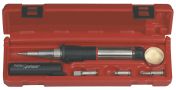
In electronics manufacturing, soldering irons are indispensable for assembling printed circuit boards (PCBs). They are used to manually attach discrete components, wire leads, and surface-mount devices (SMD) to the copper pads on the board. Many technicians and hobbyists start with comprehensive soldering iron kits that contain all the necessary tools and accessories for these tasks.
A strong soldering iron joint ensures both electrical conductivity and mechanical stability, which is crucial for the reliable function and longevity of electronic devices, from consumer electronics to complex industrial controls.
Plumbing
Plumbing professionals rely on soldering, often referred to as 'sweating,' to create watertight and long-lasting seals in copper piping systems. The iron, often a high-wattage model or torch, heats the copper joint until it is hot enough to melt specialised lead-free solder. This process forms a permanent, leak-proof bond, which is vital for maintaining the integrity and safety of water supply lines.
Jewellery
In the creation and repair of jewellery, soldering irons and similar heating tools are used to join precious metals like gold and silver. Here, the process is delicate, requiring lower-melting-point solders and extreme precision to create seamless connections between components without damaging fine details. The resulting bond ensures the mechanical strength of rings, necklaces, and other intricate pieces that are perfect for commercial sale and long-term wear.
Stained Glass
The art of creating stained glass windows and decorative panels depends heavily on soldering. The iron is used to melt the solder wire, which then joins the copper foil or lead came that wraps around the pieces of glass. This step creates the characteristic dark lines of the finished piece, providing both the structural integrity and the aesthetic definition of the design.
General Hobbyist
For the general hobbyist, a soldering iron is a core tool used for a wide variety of tasks. This includes assembling electronic kits, building custom wiring harnesses, modifying consumer electronics, and making simple repairs to broken circuits or household appliances. The tool provides a reliable way to fix, connect, and innovate small projects with a permanent electrical or mechanical bond.
Soldering Iron Types
The market offers a wide variety of soldering irons, each categorised based on its power source, form factor, function, and tip geometry, allowing users to select the ideal tool for their specific needs.
By Power Source:
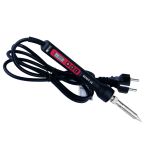
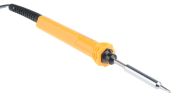
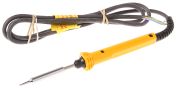
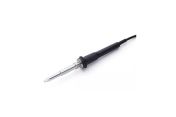
- Electric Powered: These are the most common type, drawing power from a wall outlet. They offer constant, reliable heat suitable for continuous benchtop work, though users must manage cord placement.
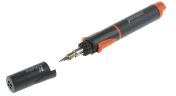
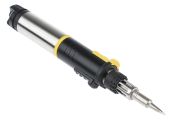
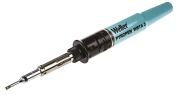
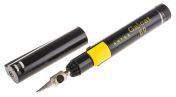
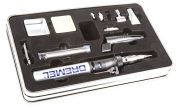
- Gas Powered: Utilising butane gas, these irons offer complete portability and quick heat-up times. They are indispensable for field repairs or working in areas where electrical power is unavailable.
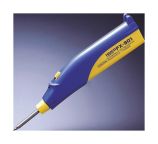
- Battery Powered: Featuring rechargeable internal batteries, these tools provide excellent cordless mobility and are popular for light-duty tasks, offering convenience for temporary or remote jobs.
By Form Factor
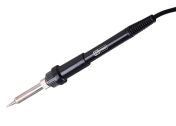
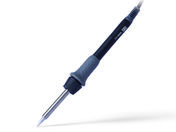
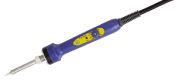
- Pen-Style: These irons resemble a large writing pen, offering fine control and excellent manoeuvrability. They are typically used for intricate work on PCBs and delicate electronic components.
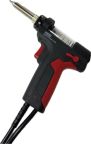
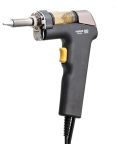
- Pistol-Grip Soldering Guns: Designed with a trigger and a pistol-like handle, these tools heat up quickly and are well-suited for heavy-duty applications requiring high heat and greater mechanical leverage, such as joining thick wires.
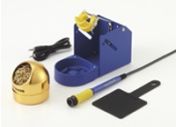
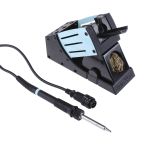
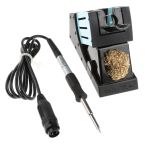
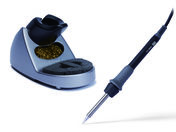
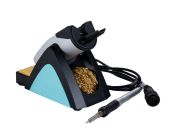
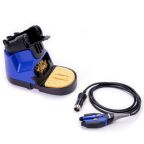
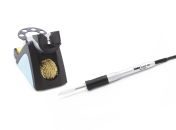
- Soldering Stations: These combine a low-voltage iron with a dedicated base unit that controls temperature, houses the power supply, and often includes features like digital displays and storage for tips. These machines are the standard for professional bench work.
By Function
- Constant Temperature: These basic irons heat to a fixed temperature determined by their wattage. They are simple and cost-effective but offer less flexibility for working with different solders or components.
- Adjustable Temperature: Featuring a simple dial or control on the handle or station, these irons allow the user to manually set the desired operating temperature, offering flexibility for a wider range of soldering tasks.
- Temperature-Controlled: These sophisticated systems use a closed-loop feedback mechanism to sense and precisely maintain the set temperature at the tip, ensuring consistency and preventing thermal damage to sensitive components.
By Tip Type
- Conical: These tips feature a fine, pointed end, making them ideal for precision work, soldering small components, and accessing tight spots on crowded circuit boards.
- Chisel: With a flat, wide end, chisel tips are designed to transfer a larger amount of heat quickly. They are excellent for soldering larger components, terminals, and through-hole connections.
- Bevel: Bevel tips are shaped with an angled cut at the end. They are versatile, offering a broad surface for efficient heat transfer while still providing a precise edge for specific joints.
How to Install Soldering Irons
Installing a soldering iron is generally a simple process focused on safety and proper setup, especially when dealing with a soldering station.
The first step in using a soldering iron is the correct setup of the stand. Ensure the stand is placed on a stable, non-flammable surface, away from flammable materials.
- For Plug-in Irons: Simply plug the tool into a suitable power outlet. Ensure the cable is routed away from the working area to prevent entanglement or accidental contact with the hot tip.
- For Soldering Stations: Connect the low-voltage iron handle to the control unit, following the manufacturer's connection guide. Place the stand securely on the bench and position the control unit nearby for easy access to temperature adjustments.
- Tip Installation: Ensure the chosen tip is firmly seated in the iron's heating element or handpiece. Never attempt to change a tip while the iron is hot. Before the first use, properly "tin" the tip by coating the working surface with a small amount of molten solder to ensure optimal heat transfer.
How to Choose the Right Soldering Irons
Selecting the optimal soldering iron is key to achieving high-quality, reliable solder joints without damaging components. Factors such as the material being joined, the required temperature, and the frequency of use should guide your decision.
- Identify Wattage and Temperature Needs: Choose an iron with sufficient wattage to maintain tip temperature during soldering, especially for heavy joints or components. Opt for an adjustable temperature or temperature-controlled iron if you plan to work with various materials or sensitive electronics, as precision heat control is vital.
- Determine Form Factor: Decide between a portable battery-powered or gas-powered unit for field work, or a soldering station for precision bench-top use. Pen-style irons are best for fine work, while pistol-grip guns are better for heavy wires.
- Check Tip Compatibility and Geometry: Ensure the iron is compatible with the types of tips you need for your most common tasks. The tip size and shape must match the component size; using a tip that is too small will not transfer enough heat quickly.
- Consider Safety and Ergonomics: Look for features like a heat-resistant handle, a stable stand, and easy-to-read temperature displays. An ergonomic design will reduce fatigue during prolonged use.
Buy Soldering Irons Online from RS
RS is a trusted supplier and distributor of high-quality soldering irons, soldering iron kits, and related equipment. We stock a comprehensive range of professional-grade tools from leading brands such as Weller, Hakko, and Ersa, ensuring you have access to the best technology for precision soldering.
Our inventory also extends to essential soldering accessories and complementary products, including solder splices and various heating elements for component replacement and industrial heating applications. This makes RS your comprehensive source for all electrical joining and heating needs.
Shop our extensive range of soldering irons online today. For detailed information regarding our delivery options and policies, please refer to our dedicated delivery page.








Popular Searches
Related links
- How to Choose the Best Soldering Irons and Pencils: Soldering Equipment Recommendations
- Weller Gas Soldering Iron Kit
- RS PRO Gas Soldering Iron Kit
- Weller Gas Soldering Iron
- Portasol Gas Soldering Iron Kit
- Antex Electronics Gas Soldering Iron Kit
- Ersa Gas Soldering Iron Kit, for use with Independent 75 Gas Soldering Iron
- Weller Electric Soldering Iron Kit 80W, for use with WS81/WD/WT/WR Stations