CCTV Cameras
CCTV cameras are a core component of modern security infrastructure, used to monitor, record, and protect people, property, and assets across residential, commercial, and industrial environments. A CCTV camera captures video footage of a defined area and transmits it to a recording or viewing system, allowing real-time monitoring and historical review when incidents occur.
Today’s CCTV cameras range from basic fixed units to advanced CCTV camera systems with smart analytics, remote access, and high-resolution imaging. Whether you are looking to buy a security camera for a single entry point or deploy a complete security camera system across multiple sites, CCTV solutions provide visibility, deterrence, and peace of mind.
How CCTV Cameras Work
CCTV cameras work by capturing visual data through an image sensor and transmitting that footage to a recording or monitoring device. The camera lens focuses light onto the sensor, which converts the image into a digital signal. This signal is then processed and either stored locally or sent across a network for remote viewing.
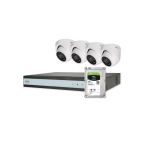
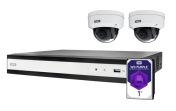
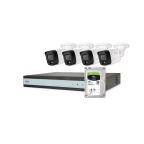
In a traditional CCTV security camera setup, footage is transmitted via cables to a Digital Video Recorder (DVR) or Network Video Recorder (NVR). DVR systems are typically used with analogue cameras, while NVRs work with IP-based cameras that transmit data over a network. These local storage systems allow users to retain footage on hard drives for later review.
Modern security camera systems may also support cloud-based recording. Instead of storing footage on-site, video data is encrypted and uploaded to secure cloud servers. Cloud storage enables remote access from anywhere, automatic backups, and reduced reliance on physical hardware, although it may require ongoing subscription fees and stable internet connectivity.
Features and Benefits of CCTV Cameras
Installing CCTV cameras offers a wide range of security, operational, and financial advantages for organisations and property owners.
- Deterrence of criminal activity: Visible CCTV cameras discourage theft, vandalism, and unauthorised access by increasing the perceived risk of detection.
- Evidence collection: High-quality video footage provides reliable evidence for investigations, insurance claims, and legal proceedings.
- Remote monitoring: Many modern systems allow users to view live and recorded footage via smartphones, tablets, or computers, enabling real-time oversight from anywhere.
- Reduced insurance premiums: Insurers may offer lower premiums for properties protected by a professionally installed CCTV camera system, reflecting reduced risk exposure.
Applications of CCTV Cameras
CCTV cameras are widely used across industries to enhance workplace safety, security, and operational control.
- Warehousing & Logistics: In warehouses, CCTV cameras monitor perimeters, loading bays, and storage areas. They help prevent theft, track movement of goods, and support incident investigations in busy logistics environments.
- Retail & Commercial Spaces: Retailers rely on CCTV cameras for loss prevention, monitoring customer activity, and protecting staff. Security camera systems also support operational insights such as foot traffic patterns and queue management.
- Offices & Corporate Buildings: Offices use CCTV cameras to secure entry points, reception areas, and restricted zones. They help manage access control, protect sensitive assets, and provide a safer workplace environment.
- Construction Sites: Construction sites benefit from temporary or mobile CCTV security camera solutions to deter theft of materials and equipment, monitor site activity after hours, and improve overall site security.
CCTV Cameras Types
CCTV cameras can be categorised in several ways to help users select the most suitable solution.
By Technology
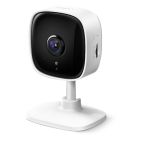
- Wireless CCTV camera: Uses Wi-Fi or wireless networks to transmit footage, offering flexible installation and reduced cabling requirements.
- Wired analogue cameras: Connect via physical cables to DVR systems, often preferred for stable, interference-free transmission in fixed installations.
By Form Factor
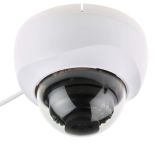
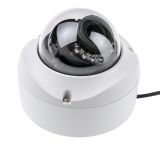
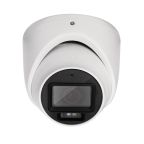
- Dome cameras: Compact and discreet, suitable for indoor environments where subtle surveillance is preferred.
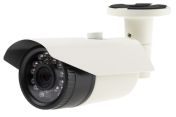
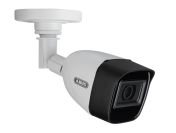
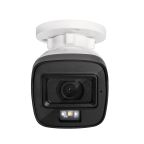
- Bullet cameras: Highly visible and often used as a deterrent, ideal for outdoor or perimeter monitoring.
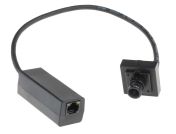
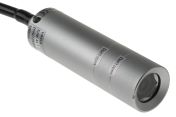
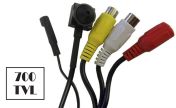
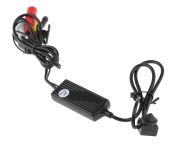
- Miniature cameras: Small form-factor cameras designed for confined spaces or unobtrusive monitoring.
By Function
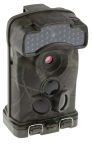
- Night vision cameras: Equipped with infrared LEDs to capture clear footage in low-light or complete darkness.
- Motion-sensing cameras: Trigger recording or alerts when movement is detected, reducing unnecessary footage and storage use.
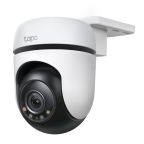
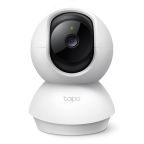
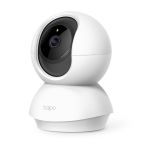
- Pan, tilt and zoom (PTZ) cameras: Pan, tilt, and zoom remotely, allowing operators to actively track movement across large areas.
How to Install CCTV Cameras
Correct installation is essential for effective coverage and reliable performance. While professional installation is recommended for complex systems, general guidance includes:
- Assess coverage areas: Identify key locations such as entry points, perimeters, and high-risk zones.
- Mount cameras securely: Install cameras at appropriate heights and angles to maximise the field of view while minimising tampering.
- Connect power and data: Ensure reliable power supply and stable network or cabling connections.
- Configure recording systems: Set up DVR, NVR, or cloud storage settings based on retention and access requirements.
- Test and adjust: Verify image quality, night vision performance, and motion detection before finalising placement.
How to Choose CCTV Cameras
Selecting the right CCTV cameras depends on security goals, environment, and technical requirements. A clear checklist helps guide purchasing decisions.
- Resolution: Choose 1080p for general monitoring or 4K for detailed identification and large-area coverage.
- Field of View (FOV): A wider FOV covers more area, while narrower views provide greater detail at a distance.
- Storage capacity: Assess required storage in GB or TB based on recording duration, resolution, and frame rate.
- Indoor vs outdoor use: Ensure outdoor CCTV cameras are weather-rated and designed to withstand environmental exposure.
- System scalability: Consider whether the CCTV camera system can expand as security needs grow.
Your Trusted CCTV Camera Supplier in Australia
RS is a trusted supplier of CCTV cameras and security camera systems in Australia, offering dependable solutions from leading manufacturers such as RS-PRO, ABUS Security Center and TP-Link. Our portfolio includes other security solutions such as camlocks, padlocksand electromagnetic door locks.
Whether you are looking to buy a security camera for a single site or deploy a scalable security camera system across multiple locations, RS Australia provides expert-backed products, clear technical specifications, and reliable availability. With convenient ordering and nationwide delivery, RS makes it easy to source the right CCTV security camera solutions when you need them. For more information on delivery services and shipping options, please visit our delivery page.
Popular Searches
Related links
- ABUS Security-Center Network Indoor & Outdoor IR Wireless CCTV Camera 1920 x 1080 pixel
- ABUS Security-Center TVVR Network Indoor & Outdoor IR Power Over Ethernet Wireless CCTV Camera 1920 x 1080 pixel
- ABUS Security-Center Analogue Outdoor IR CCTV Camera 720 x 480 pixel
- ABUS Security-Center Analogue Indoor, Outdoor IR CCTV Camera 2560 x 1940 pixel
- TP-Link Network Outdoor IR Power Over Ethernet Wireless CCTV Camera 1920 x 1080 pixel
- RS PRO Cable CCTV Cable for use with Recorders CCTV Cameras, DVRs
- TP-Link Tapo C510W Network Outdoor IR Power Over Ethernet Wireless CCTV Camera 2304 x 1296 pixel
- CCTV Accessories