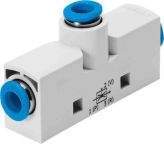
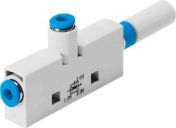
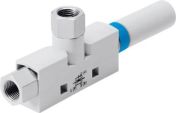
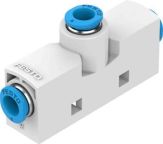
Vacuum Generators
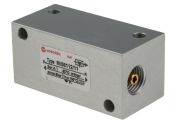
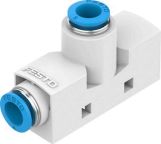
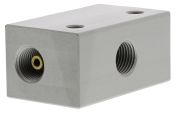
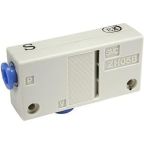
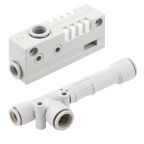
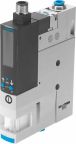
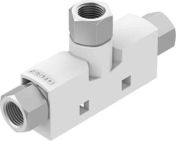
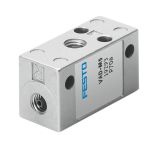
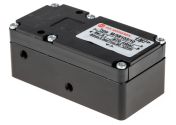
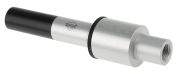
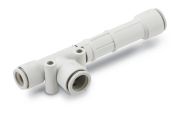
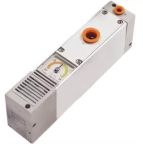
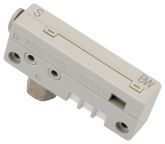
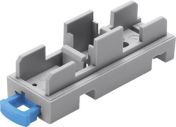
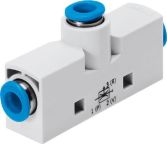
A vacuum generator, commonly referred to as a suction pump or ejector, is a device that removes air and gas molecules from a sealed space, creating a partial vacuum. Additionally, it can transport fluids from one location to another. Discover more in our complete guide to vacuum pumps.
Vacuum pumps devices are suitable for various processes that require vacuums such as an engineering or manufacturing process or they may be used to move liquids from one location to another, just like conventional pumps. Vacuum generators may also have a built-in exhaust silencer to keep generator noise to a minimum.
How Do Vacuum Generators Work?
The most common type of vacuum device is the pneumatic vacuum generator (or air powered vacuum generator), which works using the Venturi effect.
The process begins when compressed air is forced through a narrowed nozzle (the venturi). This dramatic increase in air speed creates a localised pressure drop in the adjacent chamber. This pressure drop generates the necessary vacuum, drawing air from the inlet port. This principle is why it’s often called an air ejector pump or vacuum ejector pump. Unlike an electrically driven vacuum suction pump, these units require no moving parts or electricity at the point of action, offering highly reliable and robust vacuum creation.
Types of Vacuum Generators
Vacuum generators can be broadly categorised by their power source, mechanism, and function.
By Power Source
- Pneumatic (Ejectors): The most widespread type, relying on compressed air to create the vacuum (e.g., air ejector pump, pneumatic vacuum ejector). They are inexpensive and highly responsive.
- Electric: Motors drive mechanical pumps (diaphragm, piston, or rotary vane) to create a vacuum. They offer continuous high-volume suction independent of the compressed air supply.
By Mechanism
- Momentum Transfer (Venturi/Ejector): Uses the principle described above for fast cycle times and highly localised vacuum generation.
- Positive Displacement (Diaphragm, Rotary Vane): These mechanical pumps, often called a pneumatic vacuum pump, physically displace air to create a continuous, deep vacuum, which is critical for degassing and fluid transfer.
By Application Focus
- Short Cycle Time: Typically vacuum ejectors, optimised for high-speed pick-and-place robotics.
- High Suction Capacity: Larger mechanical pumps or multi-stage vacuum ejectors designed for handling porous materials or large components.
Applications of Vacuum Generators
The reliability and compactness of the air vacuum generator make it an essential component across diverse industrial settings for automation and handling tasks.
Pick-and-Place Robotics
Vacuum ejectors are the driving force behind robotic end-of-arm tooling, providing the precise negative pressure needed to activate suction cups. They enable high-speed and accurate pick-and-place operations in assembly, sorting, and packaging lines, significantly reducing manual labour.
Vacuum Clamping
In machining, woodworking, and assembly, pneumatic vacuum generators are used to quickly activate vacuum clamping tables and fixtures. This securely holds workpieces in place during cutting, milling, or shaping without the need for physical clamps, ensuring the piece is held securely and avoiding surface damage.
Material Conveyance and Packaging Machinery
In food, pharmaceutical, and logistics industries, these devices power vacuum suction pump systems in packaging machinery to quickly transfer or secure items. They are also utilised in material conveyance for transporting powders, granules, or small components through pneumatic lines, ensuring clean and efficient transfer.
Degassing and Fluid Dispensing
Certain vacuum generator models are critical for degassing processes, where a controlled level of vacuum is necessary to efficiently remove trapped air from liquids, resins, or compounds before use. They are also employed in precise fluid dispensing applications that require vacuum assistance for accurate metering.
How to Choose the Right Vacuum Generators
Selecting the appropriate vacuum generator (or vacuum suction pump) requires balancing power source, performance, and application needs:
- Required Vacuum Level and Flow: Assess whether the application requires a deep vacuum (high-volume pump) or fast response time (Venturi ejector). Choose a pneumatic vacuum ejector for fast cycle times and a mechanical pump for sustained, high-volume flow.
- Air Supply Availability: If a clean, strong compressed air supply is readily available, a highly efficient pneumatic vacuum generator is usually the simplest solution. If air is unavailable or cost-prohibitive, an electric vacuum suction pump is necessary.
- Porosity of Workpiece: Highly porous materials (like cardboard or foam) require a generator with high volumetric flow to compensate for continuous air leakage.
- Energy Efficiency: Compare the air consumption of different vacuum ejector models, as single-stage and multi-stage ejectors have varying efficiency ratings.
Secure Your Vacuum Generators Online from RS Australia
RS Australia is a trusted supplier and distributor of high-quality vacuum generators. We stock reliable ejectors and air suction pumps from market leaders like SMC, Festo, and Norgren. In addition to vacuum generators, our user-friendly website makes it easy to search, compare, and order other essential tools like high voltage cable connectors and hygrometers.
Our commitment to quality assurance guarantees the durability and compliance of every product. We help minimise your operational downtime by offering fast and efficient nationwide delivery services across Australia, complemented by expert technical support. For more information on our delivery options and associated fees, please consult our dedicated Delivery page.