Level Controllers
Level controllers are automated devices that monitor, regulate, and maintain fluid levels in tanks, vessels, or enclosed systems. They help prevent overflows, dry-running, and process disruptions by ensuring liquid stays within a set range.
A typical level controller system includes a sensor that detects fluid levels and a control unit—such as a liquid level relay or level indicating controller—that processes signals and activates pumps, valves, or alarms for automated fluid management.
How Do Level Controllers Work?
A level controller functions by detecting the level of a liquid or solid using a sensor placed within the tank. This sensor—whether a conductive probe, float switch, or ultrasonic sensor—monitors the substance’s position relative to preset high or low points.
When the liquid reaches a high or low level, the sensor completes or breaks a low-voltage circuit, sending a signal to a control unit like a liquid level relay. The controller then activates a connected device—such as a pump, valve, or alarm—to either stop or adjust the fluid flow, maintaining the desired level automatically.
Types of Level Controllers
Level controllers can be grouped based on operating principle, measurement type, or sensor technology. The two primary categories are pneumatic and electric:
- Pneumatic level controllers: Use compressed air and are ideal for hazardous or explosive environments where electricity may pose a risk.
- Electric level controllers: Highly accurate and suitable for pressurised systems. They use electronic sensors and relays for precise monitoring and control.
Depending on your application, a level controller may measure exact fluid levels (continuous) or detect only when a fluid reaches a specific point (point-level), such as full or empty.
How to Install Level Controllers
Installing a level controller requires attention to system safety, sensor positioning, and correct wiring. While specifics vary by model and application, follow these general steps:
- Ensure system safety: Turn off power to all equipment, depressurise the tank, and drain fluid if necessary. Confirm all safety lockouts are in place.
- Mount the sensor: Install the level sensor (e.g. float switch, probe, or ultrasonic head) at the designated measurement point. Follow manufacturer guidelines for top- or side-mounting, and avoid placing sensors near inlets or turbulence zones.
- Wiring connections: Connect the sensor to the liquid level controller or relay module. Then wire the controller’s output to external control devices like pumps, solenoid valves, or alarms.
- Power supply setup: Use the correct voltage as specified in the datasheet and double-check terminal connections.
- Calibrate and test: Adjust setpoints for high/low level control. Test system behaviour by gradually filling or emptying the tank to ensure accurate switching and response.
For detailed installation requirements, always refer to the manufacturer’s technical documentation.
Applications of Level Controllers
Level controllers are widely used across industrial, commercial, and municipal operations. Some of the key industries and uses include:
- Water & Wastewater Management: Maintain optimal water levels in storage tanks, pump stations, and treatment reservoirs, ensuring consistent flow and preventing overflow or dry run.
- Chemical & Petrochemical Processing: Monitor corrosive or volatile fluids in process tanks, distillation columns, and mixing vessels using chemically resistant or intrinsically safe controllers.
- Oil & Gas Industry: Control fluid levels in reboilers, heater treaters, contact towers, and well test systems. Pneumatic level controllers are often preferred for their safety in explosive environments.
- Food & Beverage Production: Ensure hygiene and accuracy in mixing, storage, and CIP systems by regulating levels in tanks holding ingredients such as milk, juice, and oils.
- Pharmaceutical Manufacturing: Manage level-sensitive processes in sanitary environments where precision and contamination control are critical.
- HVAC & Industrial Boilers: Prevent equipment damage by maintaining water levels in boilers, cooling towers, and condensate return systems.
How to Choose the Right Level Controllers
Choosing the right level controller depends on your application’s fluid properties, environmental conditions, and system requirements. Key factors to consider include:
- Fluid Type: Determine whether the substance is clean, viscous, corrosive, or contains solids. This will influence the sensor material and sensing method.
- Tank Conditions: Evaluate temperature, pressure, and turbulence levels. Certain environments may require sealed, high-pressure rated, or intrinsically safe sensors.
- Measurement Requirements: For simple on/off control, a point-level controller is sufficient. For real-time monitoring and automation, choose a continuous level controller.
- Sensor Technology: Match the sensor to the task—use ultrasonic or radar for non-contact measurement, conductive probes for clean water, or pneumatic level controllers in hazardous areas.
- Safety and Compliance: In explosive or classified zones, select ATEX-certified or intrinsically safe solutions, such as pneumatic or explosion-proof controllers.
Buy Level Controllers from RS
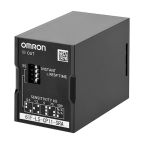
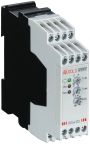
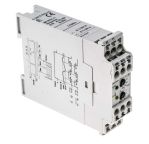
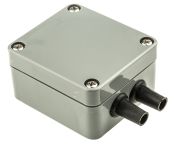
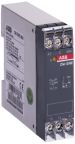
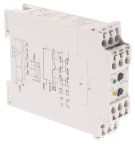
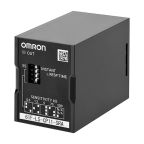
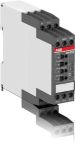
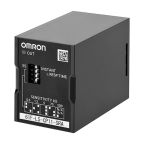
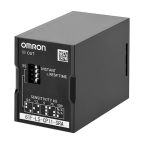
RS is a trusted supplier and distributor of fluid level controllers and water level sensor controllers in Australia. We provide a wide selection of high-quality products from industry-leading brands like ABB, Omron and Dold. Whether you need a single float switch or a full suite of level indicating controllers for an industrial plant, RS has the solutions to meet your needs.
In addition to our level controller range, we also stock the necessary components—such as safety relays, isolator switches, proximity sensors—to support a full system build or upgrade.
Order online today and enjoy fast, nationwide delivery to your site or facility. For details on how to place your order, expected delivery times, or service fees based on your location, please refer to our Delivery Page.
Popular Searches
Related links
- Float Switches
- Level Sensors
- Liquid Level Indicators
- GIC 44 Series Level Controller -, 400 V ac
- Dold Liquid Level Relay - DIN Rail, 24 V dc 1
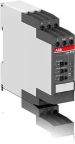
- ABB Liquid Level Relay - DIN Rail Snap-On, 220 → 240 V ac
- ABB Liquid Level Relay - DIN Rail Snap-On, 24 V ac
- ABB Liquid Level Relay - DIN Rail Snap-On, 110 → 130 V ac