Heatsinks
Heat sinks are thermal management components designed to absorb and dissipate heat away from electronic devices, protecting components from overheating and failure. They work by increasing the surface area in contact with the surrounding air, allowing heat to transfer away from the source through conduction and convection. Fin geometry, material conductivity, and airflow all influence performance, which is why choosing the right heat sink for the power load and operating environment matters.
RS Australia stocks a broad range including aluminium heat sinks, CPU heat sinks, electronic heat sinks, and heat sink fan configurations for computing, industrial, and power electronics applications.
Key Benefits & Uses of Heat Sinks
Heat sinks prevent devices from overheating and are particularly important in protecting electronics such as CPUs. Components subject to too much heat can become irreparably damaged. In the most severe cases overheating components can result in fires, explosions and injury.
Many electrical applications require airflow, therefore The heat sink is designed with an internal thermal conductor that carries heat away into fins that provide a large surface area for the heat to dissipate throughout the rest of the component, subsequently cooling both the heat sink and the electrical appliance.
Key benefits of heat sinks include:
- Prevents overheating of CPUs, power transistors, and electronic components, maintaining safe operating temperatures across industrial and computing environments
- Extends component lifespan and ensures reliable operation in high-demand applications
- Improves thermal performance across industrial, computing, and electronic heat sinks applications
- Available in passive (natural convection) and active (heat sink fan) configurations to suit different power dissipation requirements
- Compatible with aluminium heat sink, electronic heat sink, and heat sink metal formats across a range of mounting and form factor options
Shop Our Range of Heat Sinks
A heat sink transfers thermal energy from a higher-temperature device to a lower-temperature fluid (usually air), acting as a heat reservoir that can absorb an amount of heat without too much variation in its core temperature. For this reason, heat sinks are commonly used as CPU heat sink cooler solutions in personal computer systems and industrial electronics.
Heat sinks achieve the dispersal of heat by increasing the device's working surface area and the quantity of low-temperature fluid that moves across its enlarged surface area. RS Australia stocks a wide range of heat sinks categorised by type, material, and application. For detailed specification guidance, refer to our buying guide.
Aluminium Heat Sinks
The most common heat sink materials are copper or aluminium.
Copper is an excellent thermal conductor, helping to draw heat away from the device that you are trying to cool.
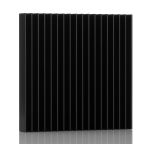
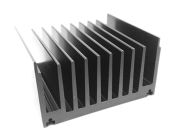
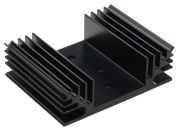
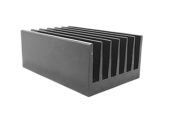
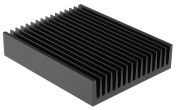
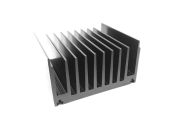
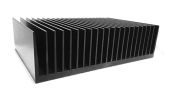
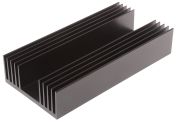
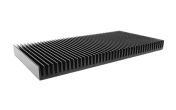
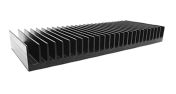
Although aluminium doesn't conduct heat as well as copper, it is less expensive and lighter than copper. The heat will normally rise through a number of metal fins which are used because they provide a greater surface area for the heat to spread across and dissipate. Aluminium heat sinks are the most widely specified option across the RS range, with large heat sink extrusion profiles available for higher power dissipation requirements in industrial and power electronics applications. Heat sink metal fin construction maximises surface area for efficient thermal dissipation through natural convection.
CPU & Computer Heat Sinks
CPU heat sinks and computer heat sinks manage thermal output from processors, graphics cards, and power-stage components in PC builds and industrial computing systems. Compatible with standard socket configurations, computer heat sinks pair with heat sink cooler solutions and thermal interface materials for optimised processor performance.
For CPU installations, applying thermal grease for CPUs improves thermal contact between the processor and heat sink surface.
Heat Sink Fans
Heat sink fans combine a metal fin heat sink body with an integrated fan for active forced-air cooling. The addition of a fan increases airflow across the fins, enabling higher thermal dissipation rates for power-dense components. Heat sink fan configurations suit high-performance CPUs, power transistors, and motor drive electronics where passive cooling alone is insufficient.
Water & Liquid-Cooled Heat Sinks
Water heat sink and liquid-cooled configurations circulate coolant through channels in the heat sink body, enabling higher heat dissipation rates than air-cooled alternatives. Water heat sinks suit high-performance applications including power electronics, server infrastructure, and industrial computing in Australia where thermal loads exceed the capacity of passive or fan-cooled solutions.
Electronic Heat Sinks
Electronic heat sinks provide thermal management for PCB-mounted components including transistors, MOSFETs, rectifiers, and integrated circuits. Available in clip-on, adhesive mount, and screw-fix formats, heat sink metal options suit a range of PCB layouts and component packages. Heat sink cooler specifications for electronic components are determined by the device's power dissipation rating and required thermal resistance.
How to Choose the Right Heat Sink for Your Needs
Selecting the correct heat sink requires matching thermal performance, physical dimensions, and mounting method to the target application. Consider the following:
- Thermal Resistance (°C/W): Calculate the required thermal resistance based on the device's power dissipation and maximum junction temperature. Lower thermal resistance indicates better cooling performance.
- Size and Dimensions: Match heat sink dimensions to the available space on the PCB or chassis. Large heat sinks suit higher power applications; compact formats suit space-constrained electronic assemblies.
- Material: Aluminium heat sinks suit most general and industrial applications due to their weight and cost advantages. Copper offers superior conductivity for high-density thermal management. Heat sink metal selection directly affects both performance and weight.
- Mounting Type: Choose PCB mount, screw-fix, adhesive, or clip-on mounting based on the component package and assembly process requirements.
- Active vs Passive: Passive heat sinks rely on natural convection and suit low-to-medium power applications. Active heat sink fan configurations suit high-power components where forced-air cooling is required.
- Application Type: CPU heat sinks, electronic heat sinks, and water heat sink configurations each have specific form factor and interface requirements. Confirm compatibility with the target component before specifying.
- Operating Environment: For industrial and outdoor applications across Australia's varied climate, verify the heat sink's temperature rating and material suitability for the installation environment.
Common Industry Applications
Heat sinks are used across a broad range of industries in Australia wherever electronics generate heat that must be managed for reliable operation:
- Computing & IT: CPU heat sinks manage thermal output from processors, GPUs, and memory modules in workstations, servers, and embedded computer heat sink systems.
- Industrial Electronics: Heat sinks cool power transistors, motor drives, variable speed drives, and industrial control systems across manufacturing and process automation facilities.
- Telecommunications: Base stations, network switches, and communications equipment use electronic heat sinks to maintain stable operating temperatures in high-availability environments.
- Automotive Electronics: ECUs, power converters, and onboard charging systems use heat sink cooler solutions to manage thermal output from power-stage electronics.
- LED Lighting: High-power LED drivers and modules require heat sinks to maintain junction temperatures within operating limits, extending LED lifespan in commercial and industrial lighting.
- Medical Devices: Precision thermal control using electronic heat sinks ensures reliable operation of diagnostic and monitoring equipment where component temperature stability is required.
- **Renewable Energy: Heat sinks for solar inverters and power modules manage thermal loads during DC-to-AC conversion across Australia's growing solar energy sector.
Your Trusted Heat Sinks Supplier in Australia
RS Australia is a trusted supplier of heat sinks for industrial, computing, and electronics applications, stocking a wide range of aluminium heat sinks, CPU heat sinks, heat sink fan configurations, and electronic heat sinks from Fischer Elektronik, AAVID THERMALLOY, RS PRO, and Arcol Ohmite.
Beyond heat sinks, RS Australia stocks a comprehensive range of electronics heating and cooling components, including heat pumps, thermal grease, and thermal pads, covering complete thermal management requirements across electronics and industrial projects.
752 Products showing for Heatsinks
In Stock
Subtotal (1 unit) $31.30(exc. GST) $31.30/unit |
In Stock
Subtotal (1 unit) $98.13(exc. GST) $98.13/unit |
In Stock
Subtotal (1 unit) $15.23(exc. GST) $15.23/unit |
In Stock
Subtotal (1 unit) $60.57(exc. GST) $60.57/unit |
In Stock
Subtotal (1 unit) $156.48(exc. GST) $156.48/unit |
In Stock
Subtotal (1 unit) $150.78(exc. GST) $150.78/unit |
In Stock
Subtotal (1 unit) $309.54(exc. GST) $309.54/unit |
In Stock
Subtotal (1 unit) $55.05(exc. GST) $55.05/unit |
In Stock
Subtotal (1 unit) $51.90(exc. GST) $51.90/unit |
In Stock
Subtotal (1 unit) $49.44(exc. GST) $49.44/unit |
In Stock
Subtotal (1 unit) $42.76(exc. GST) $42.76/unit |
In Stock
Subtotal (1 unit) $244.30(exc. GST) $244.30/unit |
In Stock
Subtotal (1 unit) $155.38(exc. GST) $155.38/unit |
In Stock
Subtotal (1 unit) $8.57(exc. GST) $8.57/unit |
In Stock
Subtotal (1 unit) $7.93(exc. GST) $7.93/unit |
In Stock
Subtotal (1 unit) $39.72(exc. GST) $39.72/unit |
In Stock
Subtotal (1 unit) $36.70(exc. GST) $36.70/unit |
In Stock
Subtotal (1 bag of 5 units) $14.82(exc. GST) $14.82/bag |
In Stock
Subtotal (1 unit) $18.67(exc. GST) $18.67/unit |
In Stock
Subtotal (1 unit) $293.56(exc. GST) $293.56/unit |



Popular Searches
Related links
- Heat Sink Buying Guide
- Relay Heatsinks
- How to Choose the Best Thermal Paste & Grease: Thermal Compound Recommendations
- SPREADFAST Heatsink, Heat Sink Housing 15 mm 32 mm 32mm
- Thermal Grease
- Thermo Electric Devices Heatsink, Universal Square Alu with fan 47 mm 60 mm 60mm
- Fischer Elektronik Heatsink 8°C/W 50 mm 37.5 mm 6mm
- Fischer Elektronik Heatsink 2.5°C/W 28 mm 84 mm 52.3mm
Be the first to know about our latest products and offers
Email address
The personal information you provide to us when signing up to this mailing list will be processed in line with the Privacy Policy