Filter Regulators
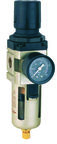
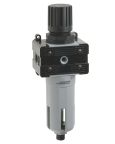
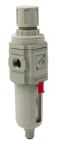
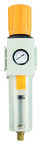
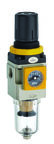
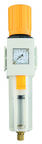
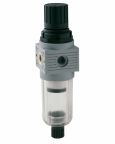
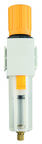
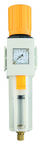
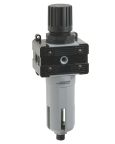
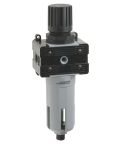
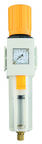
Filter regulators are devices used in compressed air systems to improve the performance of the system. Known also as an air filter regulator or a pressure regulator with filter, these units combine both functionalities into a single housing. Pneumatic filter regulators are used in most pneumatic air preparation for compressed air systems. While pneumatic filters and regulators can also be purchased as separate units, a regulator and filter assembly simplifies installation and saves significant space by reducing the number of piping connections required.
An air compressor filter assembly provides a two-in-one benefit by removing contaminants such as dust, oil, and moisture whilst simultaneously maintaining a constant downstream pressure. Pneumatic pressure regulators control the flow of the air to ensure that air is not wasted in the system and that output remains consistent. Integrated pneumatic filters ensure the air is clean before it travels through the system, protecting downstream components from premature wear.
The inlet and outlet ports refer to the connection from the filter regulator to the rest of the system. For most Australian industrial applications, these ports are defined by thread type and size, such as G 1/8 or 1/4 BSP
How Does an Air Filter Regulator Work?
The operation of a regulator and filter assembly involves several stages of air preparation to ensure downstream equipment receives stable, contaminant-free power.
Air enters through the inlet port and is directed into the filter bowl. As the air passes through the filter element—typically ranging from 5µm to 40µm—particulates such as dust and dirt are trapped. Centrifugal action often forces moisture and oil droplets to the bowl walls, where they collect as condensate.
The cleaned air then moves to the pressure regulator section. Here, an adjustable spring-loaded diaphragm controls the outlet pressure. By turning the adjustment knob, you increase or decrease the spring tension against the diaphragm, which in turn opens or closes the valve seat to modulate downstream pressure.
To assist with monitoring, a pressure gauge port allows for the mounting of a gauge that displays the regulated outlet pressure in real-time. Safety is managed through an internal pilot relief function, which vents excess downstream pressure to the atmosphere if the system is wound back or if a pressure spike occurs.
Condensate removal is managed through the drain at the base of the bowl. You can select between different drain configurations based on your maintenance schedule:
- Auto-drain: Automatically ejects liquid once it reaches a certain level; ideal for high-moisture environments or continuous operation.
- Manual drain: Requires an operator to manually open the valve to release collected water; suitable for low-condensate applications.
Filter Regulator Specifications Explained
Understanding the technical data of an air filter assembly is essential for ensuring system compatibility and longevity. Each pressure regulator and filter unit is defined by specific performance parameters that must align with your pneumatic architecture.
- Port connection: This indicates the thread type and size. In Australia, G-thread (parallel) and BSP (British Standard Pipe) are the most common standards, ranging from G 1/8 to G 1.
- Maximum operating pressure: This is the highest inlet pressure the unit can safely handle without risking housing failure or diaphragm rupture.
- Filtration size: The micron rating indicates the particle removal capability. A 5µm element provides finer filtration for precision tools, while 40µm is standard for general air compressor filter needs.
- Drain type: Options include manual, semi-automatic, or fully automatic. Automatic drains are preferred for inaccessible locations or high-moisture environments.
- Pressure gauge port: A secondary port designed for gauge mounting. Check if the unit comes with a gauge or if it must be purchased separately.
- Operating temperature range: Defines the ambient and media temperature limits. Extreme heat or cold can affect seal integrity and the flexibility of the diaphragm.
- Body material: Units are typically available in die-cast aluminium, polymer, or stainless steel. Stainless steel is the preferred supplier choice for corrosive or food-grade environments.
- Bowl material: Polycarbonate bowls allow for easy visibility of condensate levels, while metal guards or full metal bowls provide mechanical protection in heavy-duty environments.
How to Select the Right Air FIlter Compressor
Selecting the correct regulator and filter is essential for achieving optimal results and efficiency in your pneumatic system. Consider these factors when choosing a unit:
- Port Size Matching: Match the regulator port size (from G 1/8 to G 1) to your existing pipework. Using adaptors to downsize a port can cause significant pressure drops and restrict air flow.
- Flow Rate Requirements: Calculate the required L/min flow for your equipment and add a 30% safety margin. An undersized air filter unit will lead to starvation of downstream tools, causing inconsistent performance.
- Operating Pressure Range: Verify inlet pressure compatibility—typically 8–12 bar maximum—and ensure the required outlet pressure falls within the pressure regulator's adjustment range.
- Filtration Grade: Choose a micron rating based on application sensitivity. A 5µm element is necessary for precision tools and medical equipment, whereas 25–40µm is sufficient for general pneumatic machinery and heavy-duty air tools.
- Drain Type: Select an auto-drain for high-moisture environments or continuous operation to prevent bowl overflow. A manual drain is a cost-effective choice for low-condensate applications with regular maintenance schedules.
- Environmental Conditions: Consider the operating temperature range and determine if explosive-environment ratings (ATEX) are required for your specific Australian facility.
- Mounting Options: Check for bracket compatibility for wall or panel mounting. Proper mounting prevents stress on the piping and ensures the unit remains vertical for effective drainage.
Industrial Applications for Filter Regulator
The use of air filter regulator assemblies is widespread across Australian industry. These units are essential components for maintaining the reliability of automated systems and precision pneumatic tools by ensuring the air supply is both clean and stable.
Aerospace
In aerospace maintenance and manufacturing, pressure regulator accuracy is vital for pneumatic riveting tools and air-driven drills. Clean air prevents internal corrosion in high-cost aerospace components during assembly.
Automotive
Automotive assembly lines and spray booths use an air compressor filter to remove oil and silicone that could ruin paint finishes. Regulator and filter units also ensure that pneumatic torque wrenches provide consistent fastening results.
Chemical Manufacturing
Chemical plants require robust air preparation to operate pneumatic control valves safely. In these environments, stainless steel regulator housings are often used to resist corrosive ambient gases.
Electronics
Precision electronics assembly relies on ultra-clean air to power pick-and-place machinery. A 5µm air filter is typically used to prevent microscopic dust from contaminating sensitive circuit boards.
Food Manufacturing
In food production, oil-free and moisture-free air is necessary to maintain hygiene standards. Regulator and filter units used here often feature food-grade lubricants and materials to comply with strict safety regulations.
Medical
Medical facilities use pressure regulator systems to control the flow of breathable air and to power surgical tools. The filtration must be of the highest grade to ensure the removal of any bacteria or moisture from the air stream.
Dentistry
Dental chairs and handpieces require compact air filter units to ensure air is dry and oil-free. This protects the precision turbines in dental drills and ensures patient safety during procedures.
Pharmaceuticals
The pharmaceutical industry uses regulator assemblies to manage the air used in pill coating and cleanroom ventilation. Consistent pressure is required to ensure uniform product quality and adherence to strict manufacturing tolerances.
Browse Quality Filter Regulators from Top Brands in Australia
RS Australia is a trusted supplier and distributor of filter regulators and pneumatic air preparation solutions. We offer a wide range of pressure regulator and filter assemblies sourced from reputable brands like Festo, SMC, and EMERSON-AVENTICS, ensuring reliable options for every industrial application.
Beyond filter regulators, we also provide a wide array of other components for pneumatic air preparation, such as filter regulator lubricators, pneumatic filters, and pneumatic regulators, catering to all your compressed air and general tooling requirements. Whether you are looking for an air filter for a small workshop or a high-flow air compressor filter for a large-scale manufacturing plant, our range meets the high standards required for Australian work sites.
Explore our user-friendly online site for the full range of products and have them shipped to your door at your convenience. With our flexible delivery options, you can receive your regulator and filter units precisely when needed. For comprehensive details on delivery times and fees, please consult our delivery information page.

Related links
- Pneumatic Regulators
- Pneumatic Air Preparation
- Filter Regulator Lubricators
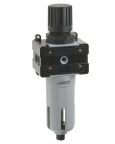
- Norgren Olympian Plus Air Filter Regulator 1 in 8 bar
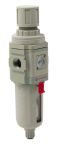
- EMERSON – ASCO 652 Air Filter Regulator G 1/4 10 bar, A652A0000003642
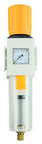
- EMERSON – ASCO 651 Air Filter Regulator 1/8 in G 16 bar, G651APJP1GA00HA
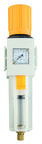
- EMERSON – ASCO 652 Air Filter Regulator G 1/4 10 bar, G652APJP2GA00HA
- EMERSON – ASCO 651 Air Filter Regulator 1/8 in G 10 bar, A651A0000003635