- Published 9 Mar 2023
- Last Modified 20 Nov 2025
- 10 min
Top 13 Tools for the Best Electricians Tool Kit
Check off 13 essential items for your electrician's tool kit with the help of this guide.

Tool kits are an electrician’s trusty companion. They are taken to every job and relied upon to apply hard-won skills and deliver reliable, safe solutions. To help you do your best work, we've gathered insights from engineers on what tools they use and compiled this list of top essential tools for electricians. All products are available from our quality brand, RS PRO.

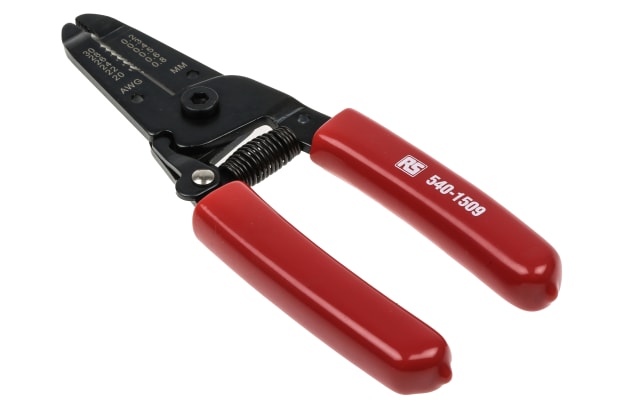
1. Wire Strippers
Wire strippers are a must-have, plier-like tool used to remove the insulating outer sheath from cables, enabling electricians to attach terminals or connectors to the central core via crimping or soldering. Some strippers also allow for the cutting of copper or conduit in a cable or wire.
Types of Wire Strippers
Multiple models and designs are available, including:
- Adjustable Strippers: These combine stripping with crimping and wire-snipping abilities.
- Triple-Action Wire Strippers: Made for thicker cabling with tough insulation, these strippers can use a unique spiral cutting motion.
- Wire Stripper Pliers: These feature V-shaped stripping jaws for thicker, multicore cables.
- Sheath Stripper: These use a rotary action to produce a neat ring cut.
- Pistol Wire Stripper: These strippers have a self-adjusting blade and use a compound stripping action with a firm grip.
- Automatic Wire Strippers: These use a mechanism to remove insulation and cut wire rapidly with a single application of pressure.
- Manual Wire Strippers: These are the standard, hand-operated model and usually include a spring-loaded handle and safety lock.
2. Insulated Screwdrivers
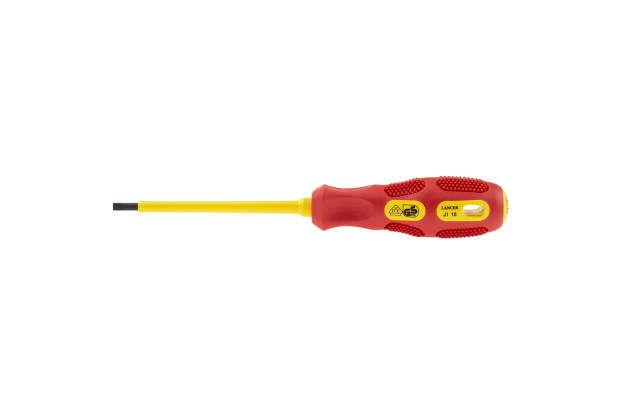
Screwdrivers are one of the most traditional tools used, yet they are still indispensable for most electricians who frequently require access to electrical containers sealed with screws. There are multiple sizes and shapes available for compatibility with the abundance of screw designs.
Screwdrivers work through the simple application of torque — rotational force — when the head of the screwdriver is inserted into the slot on the screw. Electrician's screwdrivers feature carefully designed, insulated handles to provide protective electrical resistance. This is indicated by VDE approval.
The key point of differentiation amongst screwdrivers is their driver tips. The most prominent tips are:
3. Insulated Pliers
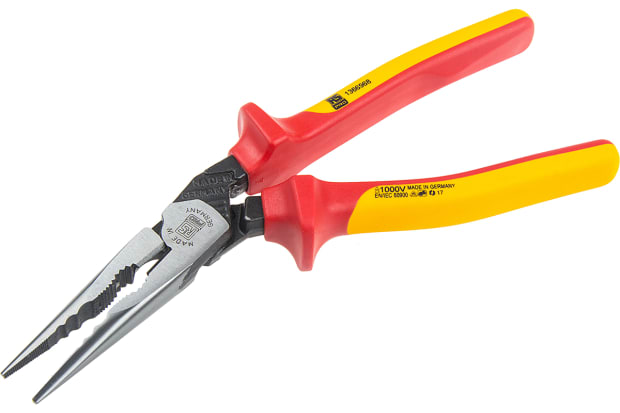
Pliers are another basic tool for electricians that have been with us for a long time. Their versatility means they can be used to accomplish a multitude of tasks requiring torque, providing a much more robust grip than would be possible with bare hands alone.
Nowadays, pliers are usually made from steel to provide additional strength to the grip of the jaws.
Types of Pliers
Pliers are available in a variety of designs for different specialist tasks. These include:
- Long-Nose Pliers: These have long, tapered jaws, making them ideal for gripping small objects.
- Combination Pliers: These feature a design that combines wire cutting, insulation stripping, and gripping functions in a single tool.
- Water Pump Pliers: Also known as slip-joint pliers, tongue-and-groove pliers, and adjustable pliers (among other names), these tools feature a movable lower jaw, allowing the grip span to be adjusted. They are ideal for use with nuts, bolts, and fasteners.
- Side-Cutting Pliers: Also known as wire cutters, these are typically used for cutting wire. A variant called diagonal cutters applies different finishes to the cut wire.
- Mole Grips/Locking Pliers: These are ideal when working with metal, as they can be locked onto an object for a secure grip.
4. Electrical Tape
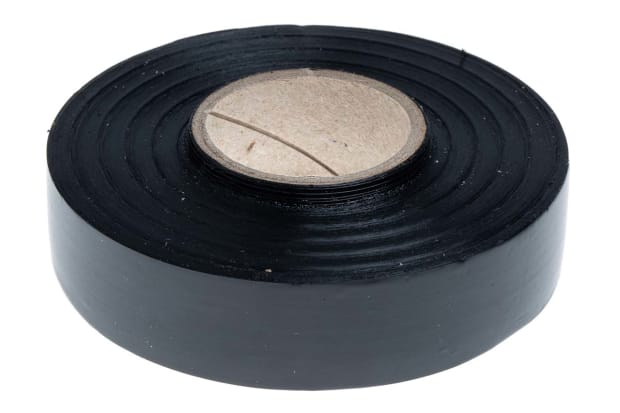
Electrical tape is a tool used to insulate wires or other items that conduct electricity. Also known as insulation tape or electrical insulation tape, it is self-adhesive and pressure-sensitive, built to resist abrasion, heat, and liquids in order to protect the sensitive conducting core within electrical wiring.
It is also made from different materials, including PVC, vinyl, copper foil, and glass cloth. Different varieties feature varying colours, widths, thicknesses, temperature tolerance, adhesion strength, and insulating capabilities.
The colours help electricians select the correct type and also enable them to colour-code the wires they are working with.
Black tape is the most widely used colour for general insulation and to indicate the low-voltage neutral point in a circuit. Meanwhile, in the UK, green and yellow tape typically indicate the protective earthing point. Blue tape is usually used to colour-code low-voltage neutral wires, and red marks low-voltage AC wires.
5. Hacksaws
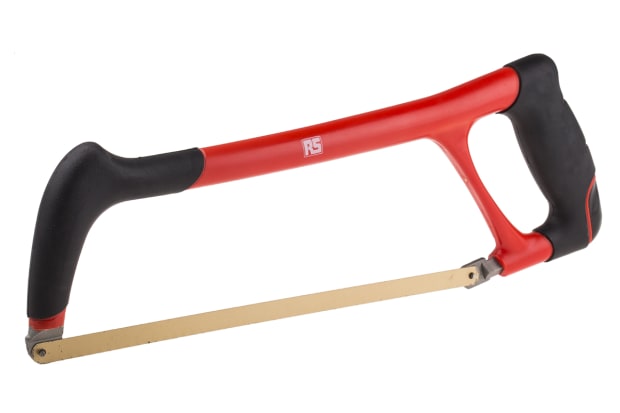
A hacksaw is used for cutting through metal. These fine-toothed saws are an essential tool for electricians and other professionals who frequently work with metal. The thin blades are held at tension in an adjustable frame between the head of the saw and the pistol grip handle. These blades can break or become blunt, but are easily replaceable..
Full-sized hacksaws typically feature 12-inch blades. Junior hacksaws are much smaller, with even finer teeth designed for more precise work.
6. Cable Cutters
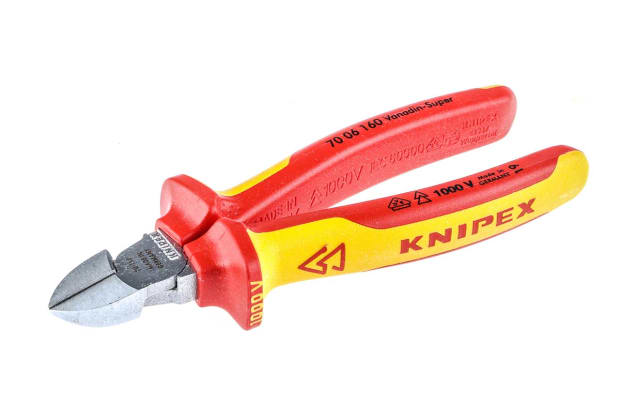
Cable cutters are a staple on every electrician's tool list. These versatile tools feature steel blades that cut through standard wiring with ease. Stronger cable shears will make short work of even thicker cabling or even coaxial cable. They also provide a handy way to strip off insulation for crimping and similar operations quickly.
Different models enable different kinds of cuts, from straight multi-purpose designs to those made especially for flush cutting or diagonal slicing. Fully insulated models are suitable for use with high-voltage wiring, electrical equipment, and environments high in electrostatic discharge, making them an ideal choice for electricians.
Look for models with an ergonomic grip to improve ease of use and to avoid using particular models on material that is too hard. Look for their cutting capacity, which ranges from 0.4mm to 600mm.
7. Spanners
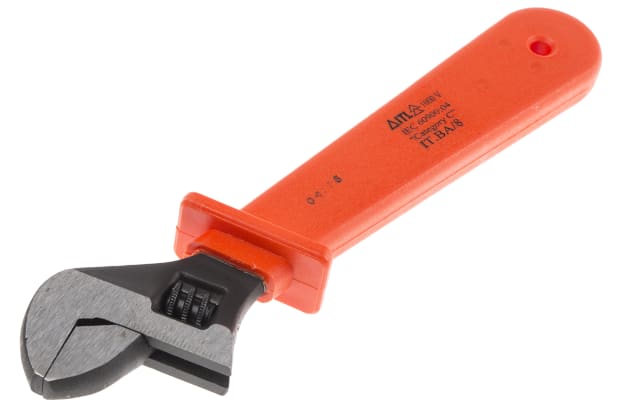
Spanners are an essential tool for electricians, especially when you regularly need to loosen or attach nuts, bolts, or similar fixings.
With so many different sizes of bolt and nut, a similar variety of spanner designs are available to ensure a close fit between the head which applies torque and the fixture. Size is equally important to achieve a tight grip.
Common spanner models include:
Adjustable Spanner: As the name suggests, these feature a moveable jaw which can be adjusted to fit different-sized bolts or nuts. The monkey wrench is the best-known form of adjustable spanner.
Open-Ended Spanners: These spanners have a double C-shaped clamp in different sizes at either end and are useful when space is limited.
8. Voltage Tester
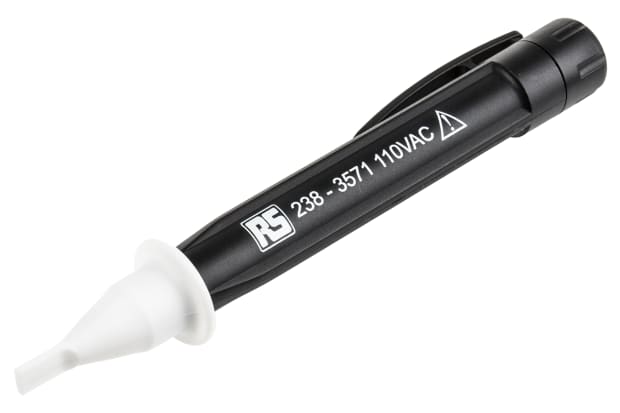
Voltage testers are a toolkit standby with a relatively self-explanatory name. Voltage indicators, or multimeters, are handheld devices used for testing for a live current in a particular location. They are primarily employed for safety purposes when checking cabling, switches, junction boxes, or similar equipment.
The illumination of a light-emitting diode indicates the presence of voltage. If this light appears, electricians know to shut down the current before beginning work. This is a vital safeguard and a key item on a well-equipped electrician's tool list. Most voltage indicator models feature redundant circuits and are resistant to electrical surges for additional safety.
9. Safety Knife
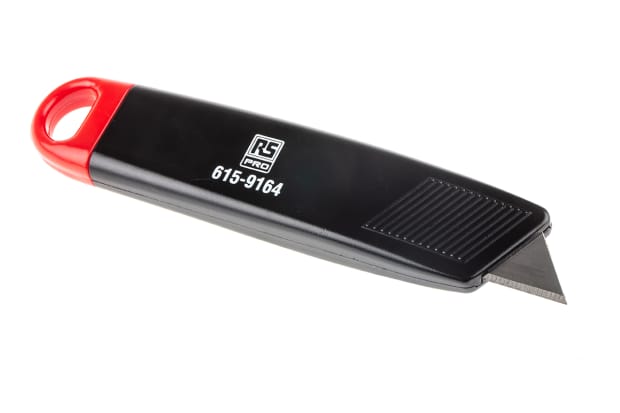
Safety knives are not just a specialist professional tool — they are, in fact, familiar to most of us. We may know them as Stanley knives, utility knives, pen knives, or box cutters. The principle remains the same, whatever name is used: the knife blade is shielded for safety and only extended when the tool is actually in use, thereby minimising accidents and injuries. Some models feature spring-loaded sliders that automatically retract the blade after use.
Like all tools electricians need, safety knives come in a variety of shapes and sizes for use in different situations. Professional safety knives suitable for use by electricians typically feature handles made from aluminium, plastic, or steel, and the blade itself will be stainless, carbon, or tool steel for maximum cutting power. Blades are usually replaceable when they break or go blunt.
10. Hex Keys
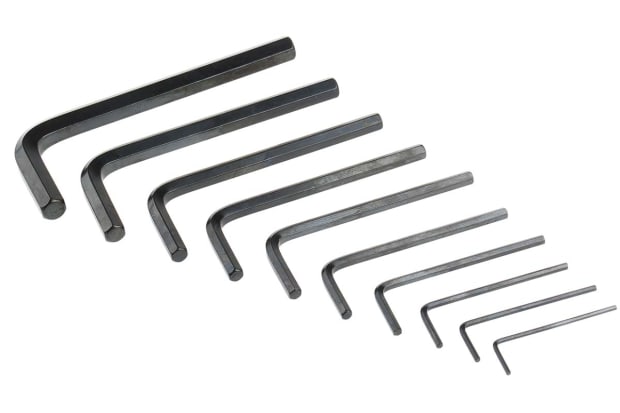
Hex keys, a standard must-have tool for an electrician, take their name from the hexagonal fasteners and fixings they are used to adjust. Another common name is Allen key or Allen wrench. They can be made from steel, nickel, and sometimes bronze or copper alloys. There are four principal types: straight hex keys, L-shaped ones, folding hex keys, and T-handles.
Straight hex keys are used as extensions to screwdrivers and allow these to apply torque to hexagonal fastenings.
L-shaped keys have identical heads at either end so they can be used either way round, but with differing leverage: the shorter end provides more while the longer end allows access to more confined spaces. As the name suggests, folding hex keys can be stored easily.
Finally, the handles on the T-handle variety are more ergonomic, allowing a firmer grip to be applied.
11. Claw Hammer
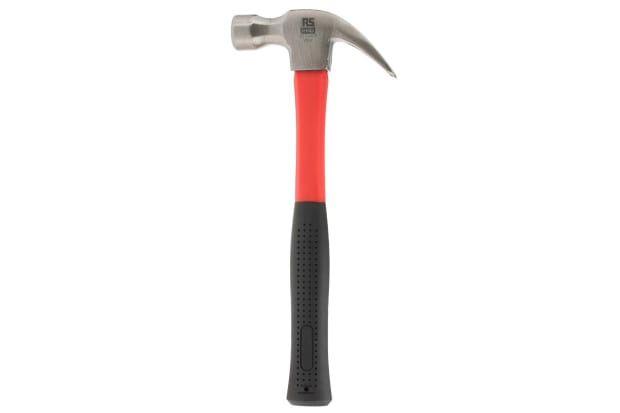
Claw hammers feature a standard hammer on one side of the tool, primarily used for inserting fixtures like nails. A dual steel claw at the other end is designed to enable the easy removal of the same nails or similar fixtures by applying a robust grip.
Claw hammers are useful to gain access to sealed spaces — for example, fuse boxes hidden behind the panelling. This makes them a great tool for electricians to use.
12. Chisel
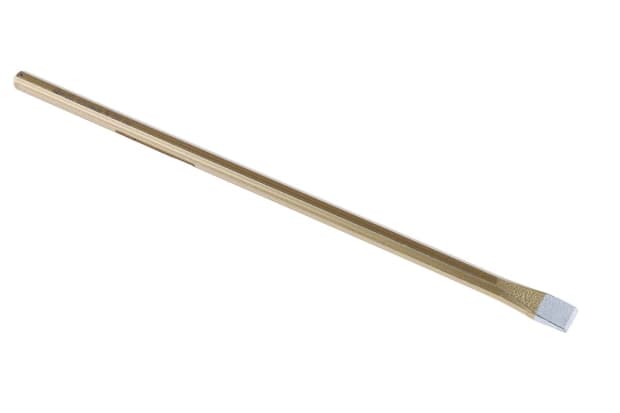
Chisels are another ancient tool that has lost none of its power or utility in the present day, providing a powerful and time-honoured method of breaking through wood, stone, brick, concrete, and similar materials. Modern chisels are made from various steel alloys.
Electrician’s chisels are a specialist variation used to cut channels in walls during installation procedures. Popular sizes to keep in your tool kit include:
- 5mm
- 10mm
- 16mm
- 18mm
- 20mm
- 50mm
13. Torch
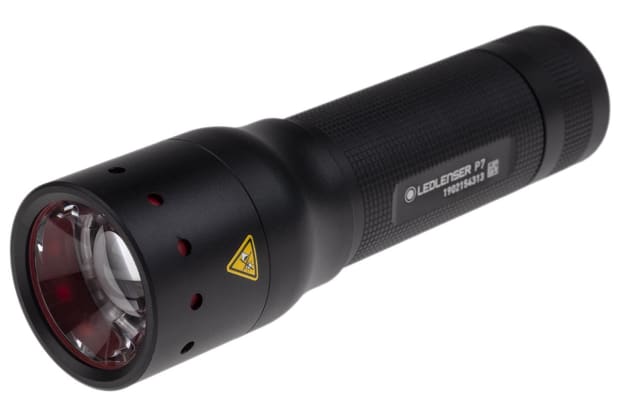
Torches are another basic item and always handy to keep in the tool kits of electricians and other professionals. Many different designs are available, but smaller torches powered by LEDs rather than traditional bulbs are typically favoured by professionals: they are lighter and easier to carry without sacrificing illumination.
The job of the torch for electricians is a simple one: they allow work in darkened areas, for example, a building in which the lighting has failed or the power is switched off. Head torches attached to helmets or hats may be required if both hands are needed for precise work.
What Power Tools Do Electricians Use?
Beyond the basic tools such as screwdrivers and pliers, modern electrical work often requires the efficiency and speed of power tools. To answer the question of what power tools do electricians need, here is a list of some of the most common and indispensable equipment found on an electrician's job site in Australia:
- Cordless Drill/Driver: This is arguably the most versatile of tools electricians use. It's essential for drilling holes through wood or metal for running cables and for quickly driving in screws when installing fittings, outlets, and switch boxes.
- Hammer Drill/Rotary Hammer: For more demanding jobs, a hammer drill is a key piece of equipment that electricians use. It is designed to effortlessly drill through tough materials like concrete, brick, and stone, making it a must-have for mounting heavy-duty conduit and electrical boxes.
- Reciprocating Saw: A powerful saw used for rough cuts and demolition work. Electricians use it to quickly create openings in walls or to remove old, existing conduit, making it a valuable addition to their toolkit.
- Cutting, Grinding, and Shaping Tools: These are used for tasks like cutting metal conduit to length or grinding down rough edges on metal surfaces. Angle grinders and cutting tools with specialised blades are standard.
- Electric Conduit Bender: This specialised tool is used to accurately bend electrical conduit, such as steel or PVC piping. It ensures that conduit runs are neat and compliant, which is crucial for professional-looking and safe installations in commercial and industrial settings.
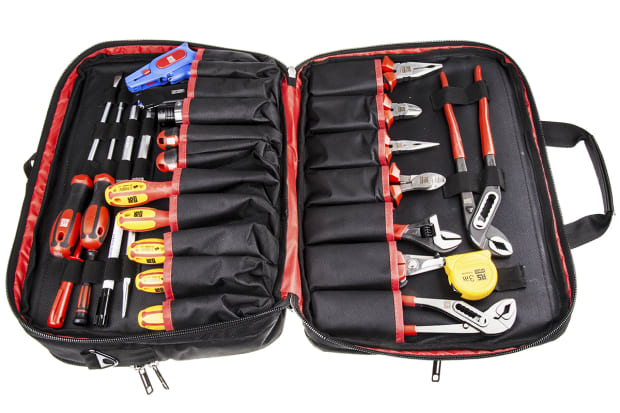
Product Spotlight - RS PRO 32 Piece Electricians Tool Kit VDE Approved
If you are looking to buy a fully assembled quality tool kit, our RS PRO 32-piece electrician's tool kit is ideal for you.
The kit offers a selection of popular hand tools, including VDE screwdrivers and pliers tested up to 1000V, as well as useful additions such as a measuring tape, safety knife, and torch. All are supplied in a durable tool bag.
See for Yourself!
Take a look at our video to see all the contents of the RS Pro Electrician's Toolkit.
Offering a variety of essential tools, this comprehensive toolkit is ideal for professional electricians and engineers.
FAQs About Tools Electricians Use
Related links
- Tool Kits
- A Guide To The Best Tool Bags On The Market
- Crescent 28 Piece Electrician's Apprentice Tool Kit Tool Kit with Box, VDE Approved
- Wiha 83 Piece Electricians Tool Kit with Case, VDE Approved
- Facom 120 Piece Electrician Tool Kit with Box
- Facom 59 Piece Electrician Tool Kit with Box
- Ega-Master 5 Piece Electrician Set Tool Kit with Bag, VDE Approved
- A Buyer’s Guide to Choosing the Right Digital Multimeter