- Published 7 Mar 2023
- Last Modified 20 Nov 2025
- 8 min
A Complete Guide to Hacksaws
This guide explains what hacksaws are, what they are used for, how to use them and the various types available.

What is a Hacksaw?
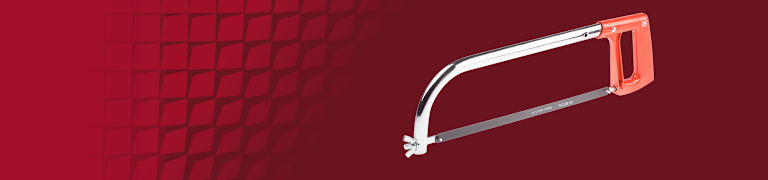
A hacksaw is a type of hand tool designed specifically for cutting through materials such as plastic, steel, and other metals. They are a variant of the traditional hand saw, typically used for cutting wood, and have become a staple tool for professionals and hobbyists alike.
Hacksaws supply firm and precise cutting power, ideal for a wide range of projects and applications. Physically, they are characterised by their distinctive adjustable frame shaped like the letter ‘D’, which holds the blades under tension.
Parts of a Hacksaw
Hacksaw Frames
Hacksaw frames, also known as blade holders, usually feature an ergonomic handle (pistol grip, for example) and are supplied with pins for attaching new blades. The frames are typically made from steel or aluminium and can be adjusted to accommodate different sized blades.

Hacksaw Blades
Hacksaw blades are available in a variety of sizes for cutting different materials. They can be as small as six inches (150mm) in length but the most common length for hacksaw blades is 12 inches (300mm).
Blades are mounted onto hacksaw frames via pins which are inserted into holes at either end of the blade. The distance between these holes is used to determine the length of the blade.
Typical Hacksaw Uses
What are hacksaws used for? Professionals including plumbers, electricians and mechanics regularly make use of hacksaws when carrying out their day-to-day tasks. Some of the most common uses for hacksaws include:
- Sawing pipes
- Shaping metal sheeting
- Cutting plastic
Can a Hacksaw Cut Through Metal?
Yes, a hacksaw can cut through a wide range of common metals such as aluminium, copper or bronze. However, the effectiveness and ability of a hacksaw to cut through metal is contingent on factors such as the blade type, its Teeth Per Inch (TPI) rating, and the thickness of the workpiece.
Therefore, the question, "can or will a hacksaw cut through metal" is not just about the tool itself but also about selecting the correct blade for the application.
Cutting Metal With a Hacksaw
A hacksaw cuts through metal using the process of abrasion. Its fine-toothed blade scrapes away material with each forward stroke, in contrast to the tearing action of coarser saws used on materials like wood.
While a hacksaw is primarily a manual tool, this principle is also employed in powered hacksaws. When considering how to use a hacksaw to cut through metal, always remember to apply consistent, even pressure on the forward stroke and lift the saw slightly on the return stroke to prevent dulling the teeth.
The hacksaw is used for precise, straight cuts and can be used to cut through various metal profiles, from solid bars to hollow pipes.
For optimal performance, choosing the right TPI for the type of cutting you are doing:
- 14–18 TPI: Ideal for thicker, softer metals and materials such as steel rods or pipes.
- 24–32 TPI: Best suited for thin sheet metal, tubing, and hardened metals, as the fine teeth prevent snagging and provide a smoother finish.
Metals a Hacksaw Can Cut
What metals can a hacksaw cut? Here's a list of common metals you can use a hacksaw to cut and tips for doing so:
- Stainless Steel: While it can be cut using a hacksaw, it's a slower, more labour-intensive process due to its hardness. A high TPI blade (24 or more) and a lubricant are recommended to extend blade life.
- Aluminum: This is one of the easier metals to cut. Use a blade with 18-24 TPI and apply light pressure to avoid gumming up the teeth.
- Copper and Brass: These softer metals can be cut with a hacksaw, although a coarser blade (14-18 TPI) may be used for thicker sections to speed up the cut.
- Steel: Standard carbon steel is a primary material for hacksaw use. A 14–18 TPI blade is typically sufficient for most applications.
Types of Hacksaw
Hacksaws are produced in a variety of shapes and sizes to support a range of applications and industries. The main types of hacksaw include:

Full-Sized Hacksaw
Also known as senior hacksaws, full-sized hacksaws are large, versatile tools that are straightforward to operate and will make short work of tougher materials. They are compatible with 12, 18, 24 and 32 teeth per inch blades.

Junior Hacksaw
Junior hacksaws are a smaller variant used when space is limited, or more precise cutting is required. They feature softer, half-sized blades and so are not suitable for cutting harder substances. Junior hacksaws are compact, easily portable hand tools.
Mini Hacksaw
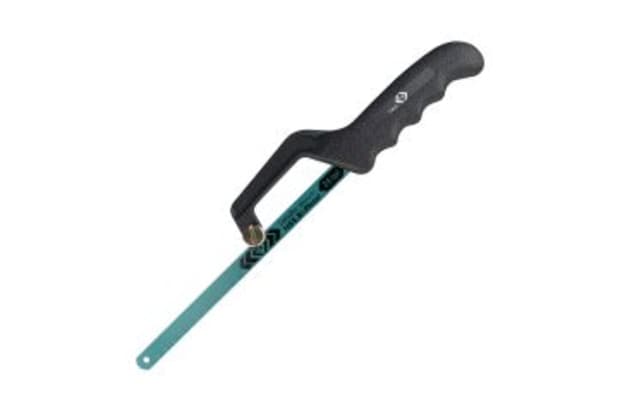
Mini hacksaws are light and compact models designed for cutting in particularly confined spaces and accessing hard-to-reach areas such as domestic pipework. They typically feature long, ergonomic handles and highly compact D frames.

Power Hacksaw
Power hacksaws, also known as electric hacksaws, normally feature built-in electric motors to power their blades but they can also be attached to separate motors or engines. Powered hacksaws normally automatically elevate their blades on the return stroke. Typically, power hacksaws are stationary devices, but some handheld models are also available. Coolant pumps are another common inclusion to help prevent the blades from overheating during use.
Explore the Different Hacksaw Types
This video shows some of the different types of hacksaw in greater detail.
It offers a useful glimpse into what is available as well as explaining the best uses and applications for each type of saw.
From adjustable hacksaws to close-quarters hacksaws, this video provides a handy visual guide to help you choose the best hacksaw for your requirements.
How to Use a Hacksaw Safely
As with any other tool, strong focus and attention to detail are key to ensuring safety when using a hacksaw. Here are some top tips for using a hacksaw safely:
- Make sure you have chosen the right blade for the task
- Ensure the blade is mounted in the correct direction, facing forwards
- Check that the blade is properly secured to the frame
- Firmly secure the object you are cutting, using a vice, for example
- Saw vigorously, taking care to direct the cutting movements away from your body
How to Change a Hacksaw Blade
Changing a hacksaw blade is a straightforward process, regardless of whether you are using a senior or junior model. Below is a handy step-by-step guide detailing the process:
- Depending on the model of hacksaw you have, either apply the fasten-release mechanism or turn the wing nut to loosen the current blade
- Carefully slide out the current blade
- Insert the fresh blade onto the retaining pins within the handle
- Either tighten the wing nut or reapply the fasten-release mechanism
- Conduct a test cut on a piece of scrap metal to ensure the new blade is safe and properly secured
How to Maintain a Hacksaw
Regularly maintaining your hacksaw and keeping it in good condition will not only ensure a quality cut but it will also lessen the safety risk associated with using the tool. When conducting hacksaw maintenance, consider the following fundamentals:
- You should regularly inspect hacksaw blades for signs of damage including warping or blunting
- If blades do show signs of wear and tear, replace them
- Apply oil or lubricant to the blade to prevent overheating when cutting
- Minimise the risk of breakage when cutting harder materials by cutting more slowly
- Regularly clean hacksaw blades to keep them in good condition for longer
Hacksaw Brands
Many different brands and manufacturers supply hacksaws, each best suited to varying applications. The following are just a few examples of popular brands.


RS Pro
Our in-house brand, RS Pro, offers multiple types of hacksaws, each ideal for varying applications. Shop now.

Bahco
Bahco is a leading brand offering high-quality hacksaws suitable for multiple uses. Explore the full range today.

Stanley
Commonly used by both hobbyists and professionals alike, Stanley hacksaws remain a popular choice. Shop the full range online now.