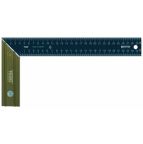
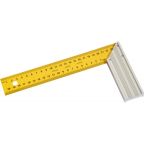
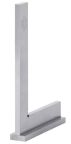
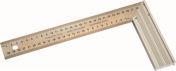
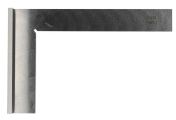
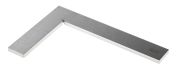
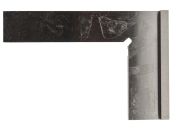
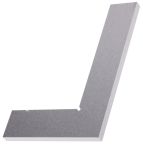
Engineers Squares
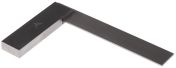
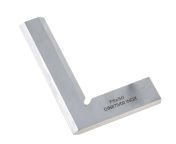
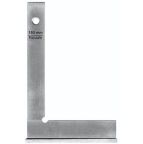
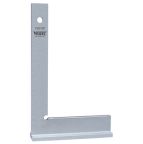
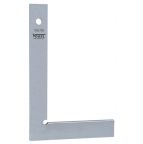
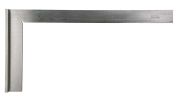
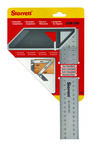
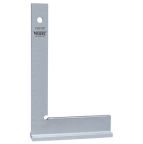
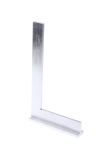
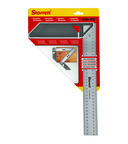
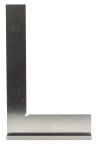
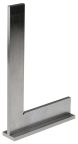
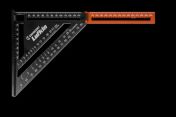
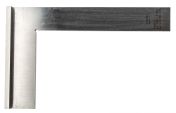
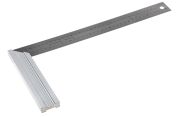
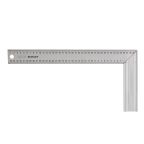
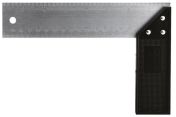
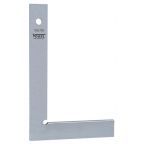
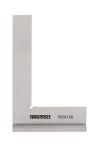
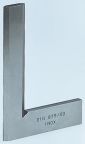
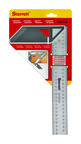
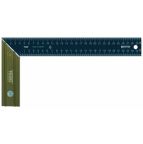
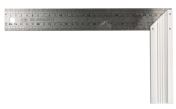
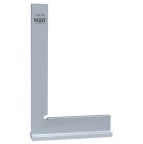
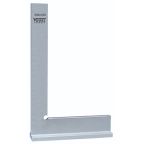
An engineer's square, also known as a machinist square, is a commonly used tool in woodworking and metalworking projects. It resembles a try square in both appearance and usage, primarily serving to verify whether a workpiece is square. Essentially, the machinist square is used to check if two sides form a 90-degree angle with each other. Additionally, it can be employed to draw precise 90-degree angles, making it an essential tool for any tradesperson or DIY enthusiast in Australia.
How Do Engineers Squares Work?
An engineers square is a high-precision tool used to verify the accuracy of 90-degree angles and to mark out perpendicular lines. Unlike a standard carpenter’s square, these are manufactured to tight tolerances to ensure absolute parallelism and straightness.
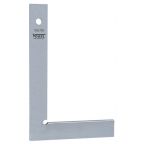
- Fixed Alignment: The tool consists of a heavy "stock" and a thinner "blade" permanently fixed at a 90-degree angle.
- Reference Surface: The stock is placed against one side of a workpiece, while the blade extends across the adjacent surface.
- The "Light Gap" Method: To check for squareness, a machinist holds the tool and workpiece up to a light source. If any light passes between the blade and the material, the angle is not square.
- Zero-Light Precision: If no light is visible through the contact point, the angle is a true 90 degrees.
Types of Engineers Squares
Selecting the right tool depends on the scale of your project and the level of precision required by Australian manufacturing standards.
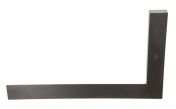
- By Size: You may opt for a small engineers square for portable tool kits and intricate bench work, or a large machinist square for checking alignment on heavy fabrication tables.
- By Grade: Tools are categorised into Workshop Grade (B) for general shop floor use, Inspection Grade (A) for high-accuracy quality control, and Reference Grade (AA) for calibrating other measuring equipment.
- By Material: A stainless steel engineers square is the preferred choice for Australian workshops near coastal environments or high-humidity regions due to its superior rust and corrosion resistance. Other types of metal are also available.
Features and Benefits of Engineers Squares
Modern metal working square designs include specific features that eliminate common measurement errors in industrial environments.
- Hardened Steel Construction: Ensures the tool maintains its shape and accuracy even after years of heavy use on the factory floor.
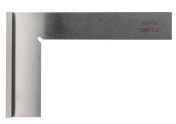
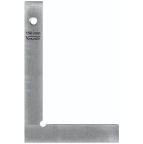
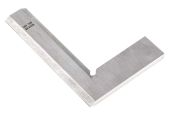
- Internal Notch (Groove): This allows the square to sit perfectly flush against a workpiece even if there is a small burr or debris on the corner, ensuring the measurement isn't skewed.
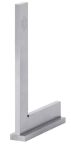
- High Stability: The weighted stock provides a lower centre of gravity, allowing the tool to stand independently on a surface plate for hands-free checking.
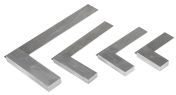
- Cohesive Kits: Buying an engineers square set provides a range of sizes, ensuring you have the right scale for everything from small components to large assemblies.
Industrial Applications of Engineers Squares
The machinist square is a staple in all kinds of industries across Australia.
Precision Machining and Toolmaking
In CNC environments, a small machinist square is essential for setting up workholding devices and verifying the perpendicularity of vices. Precise alignment is critical to ensure that components meet the strict tolerances required for aerospace or medical device manufacturing.
Structural Steel Fabrication
Heavy industries across Australia rely on large engineers square to square up beams and frames before welding. Ensuring a perfect 90-degree join at the start of a build prevents cumulative errors that could compromise the structural integrity of large-scale infrastructure projects.
Maintenance and Repair Operations (MRO)
On-site technicians often carry a machinist square set to diagnose equipment failures or realign machinery after repairs. In sectors like food and beverage processing, these tools ensure that conveyor systems and packaging lines are perfectly aligned to prevent mechanical wear.
How to Choose the Right Engineers Squares
Choosing the correct tool involves balancing the size of your workpieces with the environmental conditions of your facility.
- Assess the Workpiece Scale: Ensure the blade length of your large machinist square is at least two-thirds the length of the surface you are measuring.
- Determine Accuracy Requirements: Choose an Inspection Grade (Grade A) tool if you are performing quality assurance, while Workshop Grade (Grade B) is sufficient for general fabrication.
- Environmental Factors: Opt for stainless steel if the tool will be used in harsh Australian environments where moisture or chemicals are present.
- Versatility: Consider an engineers square set if your workshop handles a variety of job sizes, as it is often more cost-effective than purchasing individual units.
How to Use and Maintain Engineers Squares
Proper handling and setup are vital for accurate results with an engineers square.
- Clean the Surfaces: Always wipe down both the tool and the workpiece to remove oil, dust, or metal shavings that could sit between the blade and the material.
- Check for Burrs: Before measuring, ensure the workpiece edges are deburred or that you are utilising the internal notch of the square.
- Position the Stock: Firmly press the thick stock against the primary reference surface of your workpiece.
- Lower the Blade: Gently slide the blade down until it makes contact with the second surface, then use the light gap method to verify the angle.
- Proper Storage: After use, lightly oil the tool and store it in a protective case to prevent any knocks that could knock the blade out of alignment.
Manufacturer, Supplier and Distributor of Engineers Squares in Australia
As a leading supplier and distributor of premium workshop equipment, RS Australia offers a comprehensive range of an engineers square options designed to meet the rigorous demands of the local industrial sector. Our inventory features high-precision tools from world-renowned brands such as SAM, Facom and Vogel, ensuring that every machinist square we stock adheres to strict international accuracy standards.
Beyond our core range of squares, RS also carries a vast selection of complementary precision instruments, including micrometers, laser levels, spirit levels and inclinometers. This extensive catalogue makes RS the ultimate one-stop shop for Australian procurement officers and engineers looking to streamline their supply chain for all measurement and marking needs. For more information on how we deliver your order to you, including options and fees, visit our delivery page.