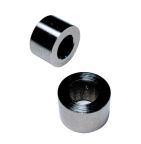
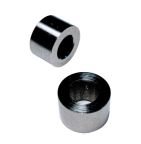
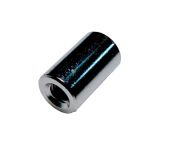
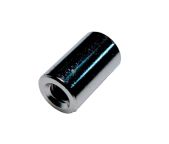
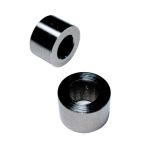
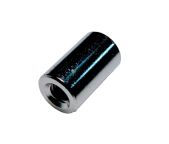
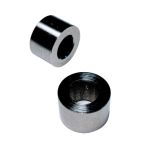
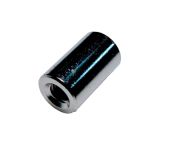
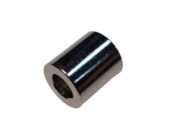
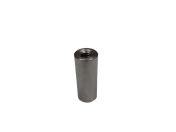
Spacers
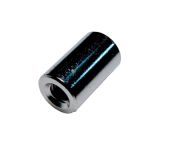
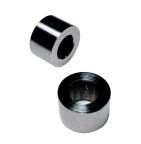
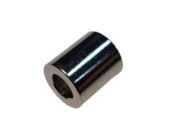
Spacers are mechanical components designed to create or maintain a precise gap between two surfaces, usually within an assembly held together by a bolt, screw, or shaft. They ensure accurate alignment, prevent over-tightening, and allow components to function smoothly without interference. Common types include bolt spacers, metal spacers, plastic spacers, and tube spacers, each catering to different mechanical or structural requirements.
A spacer is often confused with a standoff, but the two have distinct purposes:
- A spacer provides separation without threaded ends, sliding over a bolt or screw to maintain a gap.
- A standoff typically includes internal or external threads and serves as both a spacer and a fastening component, commonly used in electronics and mechanical assemblies where two panels need to be securely held apart.
In short, a spacer maintains distance, while a standoff fastens and separates.
Benefits of Tube Spacers
A tube spacer (or spacer sleeve for bolt) offers several advantages in mechanical and structural applications. These benefits make them indispensable in both industrial and domestic projects.
- Precise Alignment: Tube spacers ensure consistent spacing between parts, maintaining dimensional accuracy and preventing misalignment in assemblies.
- Improved Load Distribution: They help evenly distribute the load from bolts and screws, reducing the risk of material deformation or joint failure.
- Protection Against Over-Tightening: By maintaining a fixed distance, tube spacers prevent excessive tightening, which could otherwise damage materials or threads.
- Enhanced Structural Integrity: A steel spacer or stainless steel spacer reinforces assemblies under mechanical stress, increasing the overall stability of the joint.
- Material Versatility: Available in materials like plastic, aluminium, and stainless steel, tube spacers can be chosen to suit specific applications from lightweight prototypes to high-strength structures.
- Corrosion Resistance: Non-corrosive materials such as stainless spacers are ideal for outdoor, marine, or chemical environments where longevity is critical.
How Bolt Spacers Work
A bolt spacer works by acting as a sleeve or tubular support that fits over the shaft of a bolt or screw between two components. When the bolt is tightened, the bolt spacer sleeve maintains a defined gap, ensuring the parts do not compress beyond the intended distance.
Here’s how it functions step by step:
- A bolt sleeve spacer is placed over the bolt before tightening.
- As the bolt passes through the components, the spacer fills the void, maintaining the desired separation.
- When tightened, the head and nut press against the spacer ends, transferring the load evenly instead of directly compressing the material.
- This design preserves alignment and prevents bending or warping under tension, particularly useful in precision assemblies.
In essence, a spacer for bolts ensures stability, consistent geometry, and protection for materials under load.
Applications of Tube Spacer
Tube spacers are used across industries to provide spacing, insulation, and alignment in assemblies where accuracy and durability are vital. They’re equally common in heavy-duty environments and light domestic projects.
Electronics Industry
In electronics, spacers separate circuit boards, panels, or components to prevent short circuits and ensure proper airflow such as MCBs. Non-conductive plastic spacers and nylon spacers are often preferred for insulation and electrical safety.
Aerospace Industry
The aerospace industry relies on metal spacers and stainless steel spacers to handle high-stress environments and extreme temperatures. They’re used in engine mounts, airframe structures, and precision instruments.
Automotive Industry
In automotive applications, steel bolt spacers and bolt sleeve spacers maintain accurate gaps in suspension systems, exhaust assemblies, and interior fittings, contributing to both safety and performance.
Construction Industry
Spacers play a crucial role in construction, particularly for securing frameworks, beams, and structural joints. Bolt spacers and tube spacers ensure even spacing in large assemblies and prevent structural distortion during tightening.
Manufacturing Industry
Manufacturers use spacers in machine assembly lines, conveyors, and tooling setups. The stainless steel spacer is preferred for its strength and corrosion resistance in industrial environments.
DIY
For home or hobby projects, plastic spacers or bolt spacers help achieve professional results in furniture assembly, shelving, or repairs, ensuring stability and alignment without requiring complex tools.
Types of Bolt Spacer Sleeve
Bolt spacer sleeves come in many shapes and materials, each offering distinct benefits depending on the intended use. Selecting the right one depends on mechanical requirements, environmental conditions, and design constraints.
By Shape
- Round Spacer: The most common type, round spacers provide uniform load distribution and are suitable for general-purpose applications across multiple industries.
- Hex Spacer: Hexagonal spacers offer better grip during assembly and are ideal for installations where hand-tightening or wrench adjustments are needed.
- Bushings: These function as bearing surfaces, allowing parts to rotate or move smoothly. They reduce friction and wear between moving components.
- Tubular Spacer: Essentially hollow cylinders, tube spacers act as precise sleeves that support bolts or shafts, ensuring consistent spacing and structural rigidity.
By Material
- Metal Spacer: Metal spacers, including steel spacers, offer high strength and load-bearing capability. They’re ideal for industrial or mechanical systems requiring durability.
- Plastic Spacer: Lightweight and non-conductive, plastic spacers are used in electronic or light assembly applications where corrosion resistance and insulation are necessary.
- Polyethylene Spacer: Known for its flexibility and chemical resistance, this spacer type is suitable for marine, chemical, or outdoor uses where moisture or corrosion may occur.
- Nylon Spacer: Nylon spacers are durable, non-conductive, and resistant to vibration, making them ideal for electronic equipment and light mechanical assemblies.
How to Install Spacer for Bolts
Installing a spacer for bolts is a straightforward process that enhances both precision and performance:
- Select the Correct Spacer: Choose the appropriate bolt spacer sleeve or tube spacer based on bolt diameter, required gap, and material compatibility.
- Position Components: Align the components or surfaces to be joined.
- Insert the Spacer: Slide the bolt spacer over the bolt or screw so it sits between the surfaces.
- Tighten Securely: Drive the bolt through the assembly and tighten until snug. Ensure the spacer is compressed slightly but not deformed.
- Check Alignment: Verify that all components are properly spaced and stable. Adjust if necessary before final tightening.
This simple installation ensures a consistent gap, preventing strain or misalignment during operation.
How to Choose a Spacer Sleeve for Bolts
Selecting the right spacer sleeve for the bolt ensures durability, efficiency, and long-term reliability of your assembly. Consider the following factors:
- Material Requirements: Choose stainless spacers or steel spacers for strength and corrosion resistance, or plastic spacers for electrical insulation and light-duty applications.
- Environmental Conditions: In corrosive or outdoor environments, opt for stainless steel spacers or polyethylene variants for better resistance to rust and moisture.
- Load and Stress: For heavy-duty applications, steel bolt spacers or metal spacers offer better load-bearing performance than polymer alternatives.
- Bolt Size and Fit: Match the inner diameter of the bolt sleeve spacer precisely to your bolt size to ensure stability and prevent vibration or movement.
- Project Type: Use tube spacers for structural assemblies, bushings for rotational parts, and plastic spacers for lightweight or electronic applications.
The Leading Supplier and Distributor of Spacers in Australia
RS Australia is your trusted partner for high-quality spacers and related fastening solutions. We offer an extensive range of bolt spacers, metal spacers, plastic spacers, and stainless steel spacers from leading global manufacturers, ensuring precise performance for both industrial and commercial applications.
Our inventory includes everything from rechargeable button cells and hydraulic control valves to beam clips and screw insulators. We source from reputable brands such as RS PRO, Essentraand Fischer Elektronik to assure quality, safety and efficiency to meet all your requirements.
Browse and order your spacer for bolts or spacer sleeves for bolt online with ease through our RS Australia website. For more details on product availability, shipping, and delivery services, please visit our Delivery Information page.