Plastic Tubes
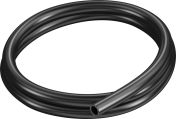
Plastic tubes are lightweight, versatile engineering materials available in round, square, and rectangular profiles. They come in a variety of sizes, colours, diameters, wall thicknesses, and standard lengths, with the option to cut, saw, or mill them to custom sizes as needed.
Benefits of Plastic Tubing
Plastic tubes offer a range of advantages that make them a preferred choice across industrial, commercial, and DIY applications:
- Durability: Plastic tubes resist corrosion, chemicals, and moisture, making them long-lasting and reliable even in challenging environments.
- Flexibility: Many plastic tubes can bend slightly without breaking, allowing for easier installation in tight spaces or complex assemblies.
- Lightweight: Compared to metal alternatives, plastic tubing is significantly lighter.
- Cost Effective: Plastic tubes are generally more affordable than metal or specialty materials.
- Versatility: Available in multiple shapes, sizes, and colours, plastic tubing can be used for mechanical, structural, fluid, or decorative applications.
Applications of Plastic Tubes
Plastic tubes are widely used across industries due to their ability to be cut, shaped, and installed in a variety of settings.
- Construction and Plumbing: Plastic tubes are commonly used for water supply, drainage, and protective conduit systems. Their resistance to corrosion and chemicals makes them ideal for long-lasting plumbing and construction installations.
- Automotive Industry: In vehicles, plastic tubing serves as fuel lines, coolant channels, and protective housings for wiring. Its lightweight and flexible nature helps improve efficiency and simplify assembly.
- Medical Field: Plastic tubes are used in medical devices, laboratory equipment, and fluid transfer systems. Their chemical resistance and ease of sterilisation make them safe and reliable for healthcare applications.
- Aquaculture: Aquaculture systems utilise Plastic tubing for water delivery, filtration, and aeration. Plastic tubes provide durable and corrosion-resistant channels for maintaining optimal aquatic environments.
- Electrical Applications: Plastic tubes act as conduit and protective sheathing for electrical wiring. They help insulate and safeguard cables from moisture, dust, and mechanical damage, ensuring safe installations.
Types of Plastic Tubes
Plastic tubes are available in a variety of materials, each designed to meet specific application needs. Here are some of the most common types of plastic tubes stocked for industrial and commercial use:
Acrylic Tubes
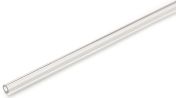
Acrylic is a common type of clear rigid plastic tube, known for its excellent optical clarity, impact strength, and weather resistance. Round acrylic plastic tubing is ideal for indoor and outdoor applications such as furniture, illuminated signs, and shop displays.
PVC
PVC plastic tubes are hard and rigid, making them perfect for applications that require structural strength and chemical resistance. This type of plastic tubing is widely used in plumbing, electrical conduit, and protective housings.
Polyethylene
Polyethylene tubing is flexible, lightweight, and resistant to chemicals and moisture. It is commonly used for fluid transfer, protective sheathing, and general-purpose industrial applications.
TPE
Thermoplastic elastomer (TPE) tubes combine flexibility and durability, offering excellent resistance to wear and environmental stress. These tubes are suitable for applications requiring repeated bending, vibration resistance, or sealing capabilities.
Laminated Plastic
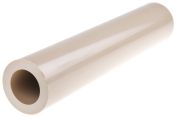
Laminated solid plastic tubings consist of multiple bonded layers, providing good mechanical, thermal, and electrical properties. They are often used for insulating sleeves, busbar supports, and light-duty industrial applications where abrasion and heat resistance are needed.
How to Install Plastic Tubes
Installing plastic tubes correctly ensures safety, durability, and optimal performance. Follow these common steps for proper installation:
- Measure and Mark: Measure the required length of the plastic tube and mark the cutting points clearly. Ensure measurements account for bends, fittings, or connectors.
- Cut to Size: Use a saw, tubing cutter, or appropriate milling tool to cut the tube accurately along the marked lines.
- Deburr Edges: Remove any rough edges or burrs from the cut ends using a deburring tool or sandpaper.
- Attach Tube: Slide the tube into the fitting or connector, ensuring a secure, tight connection.
- Secure and Support: Use clamps, brackets, or holders to support the tube along its run.
- Test the Installation: For fluid or air applications, test the system for leaks or pressure loss.
- Trim and Adjust if Needed: Make any final adjustments or trimming to ensure the tube fits properly and functions as intended.
This step-by-step process ensures a clean, secure, and reliable installation for both industrial and domestic applications.
How to Choose Plastic Tubing
Selecting the right plastic tube is crucial for performance, durability, and safety. Consider the following factors when choosing plastic tubing for your project:
- Material Type: Different plastics offer varying strength, chemical resistance, flexibility, and temperature tolerance. Choose a material suited to the application.
- Tube Diameter & Wall Thickness: Ensure the tube’s inner and outer diameter, as well as wall thickness, can handle the intended pressure, flow, or load requirements.
- Flexibility vs. Rigidity: Consider whether a flexible or rigid tube is required based on installation constraints and the environment. Flexible tubing is easier to bend and route, while rigid tubing offers greater structural support.
- Chemical and Temperature Resistance: Check the tubing’s resistance to chemicals, UV exposure, and temperature extremes if it will be used in harsh or outdoor environments.
- Length & Customisation: Determine whether standard-length tubes are sufficient or if custom cutting and shaping are needed for precise installations.
- Cost and Availability: Factor in budget constraints and ensure the chosen tubing is readily available in the required sizes and quantities.
- Tube Shape & Profile: Consider whether a cylinder, square, or rectangular plastic tube best suits your project. The shape impacts structural strength, flow, and how the tube integrates with other components.
How to Order Plastic Tubes from RS Australia
Get the right plastic tubes for any project at RS Australia. We stock a wide range of acrylic tubes, clear vinyl tubes, and more from trusted brands like Festo, Tufnol, and RS PRO. Browse our online selection to find plastic tubings, nylon rods, and clear mylar film for industrial, commercial, and DIY projects, including plumbing, automotive, medical, and electrical applications.
Purchasing is straightforward. Simply choose the products you need, add them to your cart, and complete your order through our secure online checkout. Full details on shipping times, costs, and coverage across Australia are available on our Delivery Information page.







Popular Searches
Related links
- RS PRO Clear Acrylic Round Acrylic Tube, 1 m x 25 mm OD x 19 mm ID
- RS PRO Clear Acrylic Round Acrylic Tube, 1 m x 13 mm OD x 10 mm ID
- RS PRO Clear Acrylic Round Acrylic Tube, 1 m x 50 mm OD x 40 mm ID
- RS PRO Clear Acrylic Round Acrylic Tube, 1 m x 38 mm OD x 32 mm ID
- RS PRO Clear Acrylic Round Acrylic Tube, 1 m x 22 mm OD x 16 mm ID
- RS PRO Clear Acrylic Round Acrylic Tube, 1 m x 32 mm OD x 26 mm ID
- RS PRO Clear Acrylic Round Acrylic Tube, 1 m x 6 mm OD x 3.2 mm ID
- Hose Pipe & Flexible Tubes