3D Printing Materials
3D printing materials, also known as filaments, are the essential medium used in FDM/FFF 3D printers to create objects layer by layer. These materials vary in composition, strength, flexibility, and temperature resistance, making it important to buy the right type for each application in Australia.
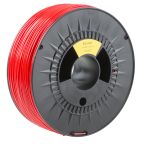
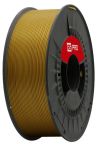
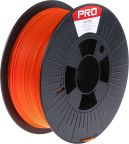
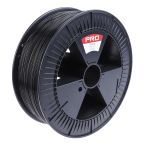
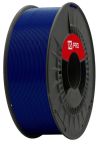
Common options include PLA, ABS, PETG, Nylon, TPU, and specialised engineering filaments. Available in a wide range of colours and diameters from different manufacturers, 3D printing materials are supplied on spools for easy use and consistent printing performance.
Why Buy 3D Printer Filament?
High-quality 3D printer filament ensures smooth, reliable prints with consistent layer adhesion and precise dimensions. Using the correct filament helps reduce print failures, improves finish quality, and supports both prototyping and functional end-use parts.
Types of 3D Printing Materials
FDM, SLA, and SLS 3D printing technologies rely on a variety of plastics and specialty filaments to create precise, functional, or aesthetic parts. Choosing the right material affects strength, flexibility, surface finish, and even chemical resistance, so selecting a filament suited to your project is essential.
Below are some of the most common filaments and their typical applications.
Acrylonitrile Butadiene Styrene (ABS)
ABS is an extra-strong, impact-resistant thermoplastic that is affordable and widely used in industrial and hobbyist 3D printing. Its durability and lightweight properties make it ideal for producing tools, toys, and functional parts. Printing ABS requires slightly higher temperatures and proper ventilation to ensure optimal results.
Ideal for: Robust prototypes, functional components, and end-use parts that require strength and resilience.
Polylactic Acid Filament (PLA)
Polylactic Acid Filament (PLA) is a biodegradable filament derived from renewable resources such as cornstarch. It is beginner-friendly, prints with minimal warping, and produces excellent surface detail. Although PLA is less durable than ABS and can shrink slightly after printing, it remains a popular choice for rapid prototyping and conceptual models.
Ideal for: Eco-conscious projects, detailed models, and quick prototypes for design verification.
Polyethylene Terephthalate (PET)
PET is a chemically resistant, recyclable, and food-safe plastic that combines strength with flexibility. It requires a printing bed temperature of 75–90ºC and is less prone to warping compared to ABS. PET is versatile and performs well for parts that need durability while maintaining some flexibility.
Ideal for: Durable components, containers, and applications requiring chemical resistance or moderate heat tolerance.
How to Choose the Right 3D Printer Filament for Your Needs
When selecting 3D printer filament for industrial or commercial projects, it’s essential to match the material to your printer, application, and production requirements. Consider the following factors:
- Printer Compatibility: Ensure the filament is compatible with your specific 3D printer model and printing technology (FDM, SLA, SLS).
- Filament Material Type: Choose the appropriate material whether PLA, ABS, PET, Nylon, or Polycarbonate, based on strength, flexibility, and thermal resistance needs.
- Colour Options: Select from a range of colours and finishes to suit prototypes, end-use parts, or branding requirements.
- Budget and Print Volume: Factor in cost per kilogram, production scale, and frequency of printing to manage expenses effectively.
- Printability: Evaluate ease of use, required printing temperature, and potential for warping or shrinkage. PLA offers beginner-friendly printing, while ABS and Nylon provide strength but may require controlled environments.
Common Industry Applications
3D printing materials are used across a wide range of industries, helping businesses and professionals produce prototypes, functional parts, and specialised components quickly and cost-effectively.
From precision engineering to creative projects, the versatility of 3D printer filaments makes them essential for modern manufacturing and design workflows.
- Product Prototyping and Tooling: Develop prototypes, jigs, and functional tools for engineering, aviation, and product development projects.
- Chemical and Food Processing Components: Create durable, chemical-resistant parts suitable for process systems, lab equipment, and specialised industrial applications.
- Educational Models and Research: Produce scale models, architectural designs, and scientific demonstrations for schools, universities, and R&D labs.
- Medical and Custom Components: Manufacture anatomical replicas, surgical guides, and custom medical tools with high precision.
- Hobbyist and Creative Projects: Support jewellery making, crafts, and other personal or small-scale creative projects with versatile filament options.
Your Trusted 3D Printer Filament Supplier in Australia
Find the right 3D printing materials and filaments for any prototyping or industrial application at RS Australia. As a trusted supplier and distributor, we stock a wide range of high-quality filaments from leading manufacturers, including NANOVIA, Verbatim, Ultimaker, and RS PRO. Explore our online selection to source 3D printer materials, 3D printer enclosure heaters, and interface adapters for your next project.
Ordering is simple: select the products you need, add them to your cart, and complete your purchase via our secure online checkout. Delivery details, lead times, and shipping coverage across Australia are available on our Delivery Information page.
Popular Searches
Related links
- RS PRO 1.75mm White PLA 3D Printer Filament, 300g
- RS PRO 1.75mm Red PLA-X3 3D Printer Filament, 1kg
- RS PRO 1.75mm Pink PLA 3D Printer Filament, 1kg
- RS PRO 1.75mm Red PLA 3D Printer Filament, 1kg
- RS PRO 1.75mm Silver PLA 3D Printer Filament, 2.3kg
- RS PRO 2.85mm White PLA 3D Printer Filament, 2.3kg
- RS PRO 1.75mm Grey PLA 3D Printer Filament, 2.3kg
- RS PRO 1.75mm Random Colour PLA 3D Printer Filament, 250g