Spectrum Analysers
Spectrum analysers are widely used within the electronics industry for analysing the frequency spectrum of radio frequency (RF) and audio signals. By examining the spectrum of a signal, they reveal critical elements of its composition and the performance of the circuit producing it. Capable of making a large variety of measurements, spectrum analysers are an invaluable tool for RF design, development, and test laboratories, as well as having broad applications in specialist field service environments.
What Are Spectrum Analysers?
Spectrum analysers are an essential item of electronic test equipment used in the design, test, and maintenance of radio frequency circuitry and equipment. They’re used for observing signals in the frequency domain, displaying the amplitude of signals on the vertical scale and the frequency of those signals on the horizontal scale. This visual representation gives engineers and technicians an immediate, clear picture of how a signal behaves across a defined frequency range, making it far easier to identify anomalies, interference, and performance issues that would be invisible in the time domain.
How Do Spectrum Analysers Work?
A spectrum analyser works by sweeping across a defined frequency range and measuring the power of signals present at each point along that range. The result is displayed as a graph, with frequency on the horizontal axis and amplitude on the vertical axis, giving the user a real-time picture of signal activity across the spectrum. The instrument samples the incoming signal, processes it through a series of filters and amplifiers, and converts the output into a readable display. Most modern analysers also apply signal averaging and peak-hold functions, which help distinguish genuine signals from noise and transient events.
The core operating principle behind most spectrum analysers is known as heterodyning. In a heterodyne analyser, the incoming signal is mixed with a locally generated reference signal, called a local oscillator, to produce an intermediate frequency (IF). This IF signal is easier to filter and analyse accurately than the original high-frequency input. By sweeping the local oscillator across a range of frequencies, the analyser effectively tunes into each part of the spectrum in turn, allowing it to build up a full picture of signal activity. This technique enables high sensitivity and selectivity across a wide frequency range, which is why heterodyne architecture remains the foundation of many professional-grade spectrum analysers today.
Applications of Spectrum Analysers
Spectrum analysers serve a wide range of functions across industries wherever signal integrity, frequency management, and RF performance are critical. Their ability to make complex signal behaviour visible makes them indispensable across the following areas.
RF and Wireless Communications
Spectrum analysers are a fundamental tool in the design and testing of RF and wireless communication systems. Engineers use them to verify transmitter output, measure signal bandwidth, identify spurious emissions, and ensure compliance with regulatory frequency allocations. Whether working on cellular infrastructure, satellite links, or short-range wireless devices, an analyser gives the designer a precise view of how the system is performing across its intended frequency range.
EMC Testing and Compliance
Electromagnetic compatibility (EMC) testing requires accurate measurement of radiated and conducted emissions from electronic equipment. Spectrum analysers are used to identify unwanted emissions that could cause interference with other devices or breach regulatory limits. By pinpointing the frequency and amplitude of problem signals, engineers can make targeted design changes to bring a product into compliance, avoiding costly redesigns or failed certification tests.
Broadcasting and Signal Monitoring
In broadcasting environments, spectrum analysers are used to monitor transmission quality, verify that signals are staying within their allocated frequency bands, and detect interference from adjacent channels. They’re equally useful for field engineers checking signal strength and quality at reception points, ensuring that broadcast coverage meets the required standard across a given area.
Radar and Defence
Radar systems and defence electronics rely heavily on spectrum analysers during both development and in-service maintenance. Analysers are used to characterise radar pulses, measure power levels, and verify the spectral purity of transmitters. In field service applications, they provide a fast, reliable means of diagnosing faults in complex RF systems without the need to return equipment to a workshop.
Research and Education
In research laboratories and academic institutions, spectrum analysers support a broad range of investigations into signal behaviour, antenna performance, and RF propagation. They provide students and researchers with a direct, visual means of exploring how signals interact with circuits and the environment, making abstract concepts tangible and measurable.
Types of Spectrum Analysers
Spectrum analysers are available in several form factors, each suited to different working environments and measurement requirements. Buying the right type starts with understanding where and how the instrument will be used.
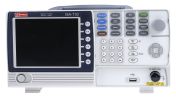
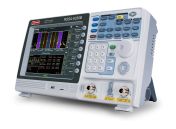
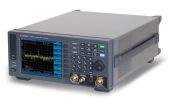
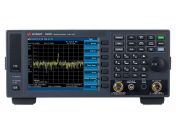
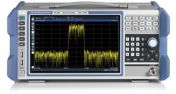
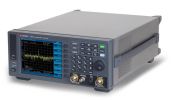
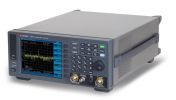
- Benchtop Spectrum Analysers: The benchmark choice for laboratory and workshop environments, benchtop analysers offer the widest frequency ranges, highest dynamic range, and most comprehensive feature sets. They’re designed for stationary use and are well suited to demanding design, development, and compliance testing work where measurement accuracy is the priority.
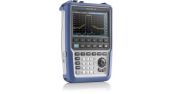
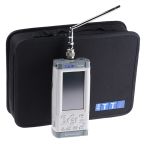
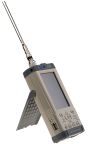
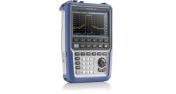
- Handheld Spectrum Analysers: Compact and battery-powered, handheld analysers are built for field use. They give engineers and technicians the ability to carry out spectrum measurements on-site, whether that means checking signal quality at a remote installation, troubleshooting interference in the field, or conducting site surveys for wireless deployments.
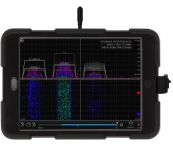
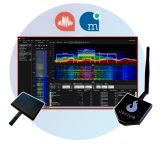
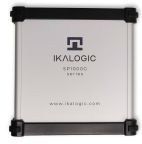
- USB-Based Spectrum Analysers: USB analysers connect directly to a laptop or PC and use the host computer's processing power and display. They’re a cost-effective and highly portable option for engineers who need spectrum analysis capability without investing in a standalone instrument. They’re particularly popular for software-defined radio (SDR) work, educational use, and situations where desk space or budget is limited.
How to Install Spectrum Analysers
Getting reliable results from a spectrum analyser depends on correct setup, good measurement discipline, and consistent care of the instrument. Follow these steps to get the most from your analyser and keep it performing accurately over time.
- Power On and Allow Warm-Up Time: Switch the analyser on and allow it to reach its operating temperature before taking measurements. Most instruments require a warm-up period of 15 to 30 minutes to ensure internal components are thermally stable and readings are accurate.
- Set the Frequency Range: Configure the start and stop frequencies, or centre frequency and span, to cover the range of interest. Keep the span as narrow as practical to improve resolution and make signals easier to identify.
- Set the Reference Level and Attenuation: Adjust the reference level to sit just above the expected peak signal amplitude. Set the input attenuation appropriately to protect the input stage from overload while maintaining adequate sensitivity.
- Select the Resolution Bandwidth (RBW): Choose a resolution bandwidth appropriate to the signals you are measuring. A narrower RBW improves frequency resolution but increases sweep time. Match the RBW to the spacing between signals you need to distinguish.
- Connect the Input Signal or Antenna: Connect the signal source or antenna to the RF input using a suitable cable and connector. Ensure impedance matching is correct, typically 50 ohms, to avoid measurement errors caused by reflections.
- Run the Sweep and Observe the Display: Initiate the sweep and observe the resulting trace. Use marker functions to identify peak frequencies and measure amplitude at specific points. Apply averaging or max-hold as needed to stabilise the trace or capture intermittent events.
- Record Your Measurements: Save traces or screenshots for documentation. Many modern analysers allow data export to a PC for reporting and further analysis.
- Clean and Store Correctly: Keep connector ports capped when not in use to prevent contamination of the RF input. Clean the instrument casing with a soft, dry cloth and store in a protective case away from moisture, dust, and extreme temperatures.
- Schedule Periodic Calibration: Spectrum analysers are precision instruments and should be calibrated at regular intervals in accordance with the manufacturer's recommendations. This ensures measurement accuracy is maintained and traceable to national standards.
How to Choose the Right Spectrum Analysers
The right spectrum analyser depends on your application, the frequency range you need to cover, and the environment in which you will be working. Consider the following before making your selection:
- Frequency Range: Confirm that the analyser covers the full frequency range of the signals you need to measure. Factor in headroom above your highest frequency of interest to avoid operating at the limits of the instrument's specified range.
- Dynamic Range: A wider dynamic range allows the analyser to measure both strong and weak signals simultaneously without the stronger signal masking the weaker one. This is particularly important in crowded spectrum environments or when looking for low-level spurious emissions.
- Resolution Bandwidth: Consider the minimum resolution bandwidth the instrument can achieve. Finer RBW settings are essential when you need to resolve signals that are closely spaced in frequency.
- Form Factor: Decide whether you need a benchtop instrument for laboratory use, a handheld model for field work, or a USB-based analyser for portable PC-connected measurements. Each form factor involves trade-offs between performance, portability, and cost.
- Display and Interface: For bench use, a large, high-resolution display aids readability. For field use, consider screen brightness and how well the display performs in outdoor lighting conditions. USB models rely entirely on the connected PC for display and control.
- Connectivity and Data Export: If measurement documentation or data logging is part of your workflow, look for instruments with USB, LAN, or GPIB connectivity and compatible software for trace export and reporting.
- Calibration and Compliance: For regulated testing environments, verify that the instrument comes with a calibration certificate traceable to national standards, and check the recommended calibration interval.
Buy Spectrum Analysers Online from RS
RS Australia is a trusted manufacturer, supplier, and distributor of spectrum analysers, stocking a comprehensive range to meet the needs of engineers and technicians across design, test, field service, and research. Our range includes instruments from leading names in electronic test and measurement, including Keysight Technologies, Aim-TTi, and Oscium MetaGeek, giving you access to proven, high-performance analysers built for professional use across a wide range of applications and frequency ranges.
Beyond spectrum analysers, RS Australia stocks a wide selection of measurement and inspection tools to support your broader work. From radius gauges for verifying curved surface profiles to internal thread gauges for precise thread measurement, you will find the right instrument for the job across our range.
For full details on shipping options, lead times, and delivery to your location, visit our delivery page.
16 Products showing for Spectrum Analysers
Related links
- Keysight Technologies N9324C Desktop N932x-C BSA-C Spectrum Analyser Spectrum Analyser, 20000 MHz
- Spectrum Analyser Accessories
- Keysight Technologies N9323C Desktop N932x-C BSA-C Spectrum Analyser Spectrum Analyser, 13600 MHz
- Keysight Technologies N9321C Desktop N932x-C BSA-C Spectrum Analyser Spectrum Analyser, 4000 MHz
- Aim-TTi PSA3605USC Handheld PSA Spectrum Analyser, 3600 MHz
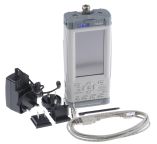
- Aim-TTi PSA3605 Handheld PSA Spectrum Analyser, 3600 MHz
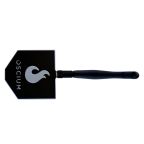
- Oscium MetaGeek OS-BUN-SPECTRUM Desktop Spectrum Analyser, 6 GHz
- Oscium MetaGeek WiPry2500x Handheld WiPry Spectrum Analyser, 5 GHz