Calibration Weights
Calibration weights are precision weights used to calibrate weighing instruments and ensure accurate scale measurements. Manufactured to very high tolerances, they are essential for maintaining the reliability of any scale. They are typically made from materials that are resistant to corrosion and wear, such as stainless steel or brass to ensure they maintain their accuracy over time.
RS Australia provides calibration weights for scales available individually or as a calibration set or calibration weight set.
Types of Calibration Weights
Several types of calibration weights are available, offered individually or as comprehensive calibration weight sets. They span a wide weight range, from as little as 1g up to 10kg, including steel calibration weights. The most common classes of calibration weights are Class F, Class E1, Class E2, Class M1 (used for the most demanding applications like pharmaceutical or aerospace industries).
Individual Calibration Weights
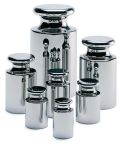
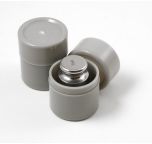
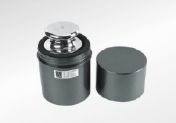
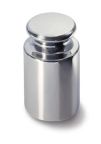
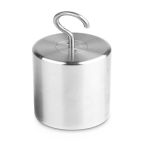
Individual calibration weights are single precision weights used to calibrate specific instruments or check particular points on a scale. They range in size from 1g up to 20kg, suitable for fine adjustments or verifying exact measurements for specific applications.
Calibration Weight Sets
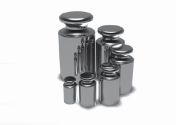
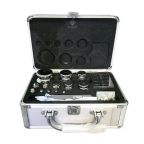
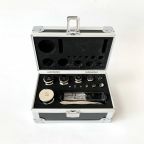
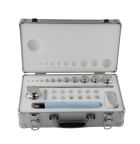
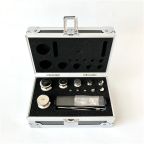
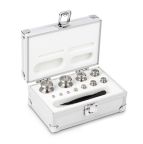
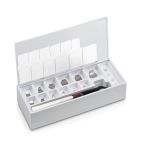
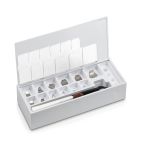
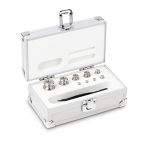
Calibration weight sets typically include a range of calibration weights of different sizes and values, neatly packaged in a case. These calibration sets allow one to calibrate a wider range of instruments and perform comprehensive scale calibration across various capacities, offering versatility.
Material Types: Steel Calibration Weight, Cast Iron, and Brass
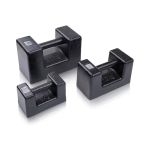
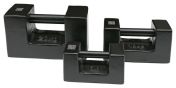
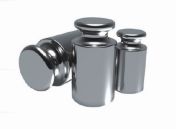
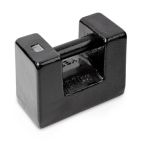
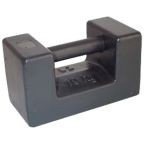
Calibration weights are typically made from materials resistant to corrosion and wear. Common options include stainless steel calibration weights for excellent durability and cleanliness, or brass for a traditional finish. For industrial applications, robust cast iron calibration weights are also common, offering resilience in demanding environments.
Accuracy Classes: OIML and ASTM
Calibration weights are classified based on their accuracy and tolerance levels. Common classes include OIML Class E1, E2 (for high-precision analytical scales), F1, F2 (for industrial and commercial scale calibration), and M1 (for general industrial and trade scales). ASTM classes (0-7) offer similar precision levels, used for the most demanding applications like pharmaceutical or aerospace industries.
How to Choose a Suitable Calibration Weight
Selecting the correct calibration weight is essential for ensuring the accuracy and reliability of your weighing instruments. Understanding your specific needs helps you make an informed decision when you buy a calibration set or individual weights.
- Scale Resolution and Capacity: Match the calibration weights to your scale's resolution and maximum capacity. Using weights that are too coarse for a high-precision scale, or too light for a heavy-duty one, will prevent accurate scale calibration.
- Accuracy Class Requirements: Your application's precision needs dictate the required accuracy class. Analytical balances in laboratories often demand Class E1 or E2 calibration weights, while industrial scales might use F1 or M1 classes for general scale calibration.
- Material Suitability: Choose the material based on the environment and handling. Stainless steel calibration weights are suitable for lab use due to their corrosion resistance and cleanliness, while robust cast iron weights are better for industrial settings.
- Environment: Consider humidity, dust, and temperature exposure. Weights used in harsh environments need to be highly resistant to corrosion and wear to maintain their accuracy over time, regardless of their class.
- Individual Weights vs. Calibration Weight Sets: Decide whether you need individual calibration weights for specific checks or a comprehensive calibration weight set. Sets offer versatility for calibrating a wider range of instruments or capacities.
For scale calibration in industrial and lab settings in Australia, carefully select calibration weights that align with your instrument's requirements and environmental conditions. Professional guidance helps ensure compliance and measurement integrity.
Mistakes to Avoid When Buying Scale Calibration Weights
When you buy scale calibration weights, avoiding common mistakes helps prevent inaccurate measurements, compliance issues, and wasted investment. Careful selection ensures the long-term reliability of your weighing instruments.
- Using the wrong weight class for your scale: Using calibration weights with insufficient accuracy for a high-precision scale will result in unreliable scale calibration. Conversely, using overly precise weights for a low-precision scale might be an unnecessary expense.
- Overlooking environmental material compatibility: Failing to consider exposure to humidity, dust, or chemicals can lead to corrosion and wear on your calibration weights. Such damage compromises their accuracy, rendering them unsuitable for precise scale calibration.
- Buying unverified or uncertified weights: Purchasing calibration weights without proper verification or certification means you cannot trust their stated accuracy. Always ensure weights are traceable to national standards for reliable scale calibration.
- Ignoring maintenance and storage requirements: Neglecting proper cleaning and storage can lead to calibration weights becoming contaminated or damaged. Improper handling affects their precision, making them unreliable for accurate scale calibration over time.
- Underestimating future calibration needs: Buying only single calibration weights when a broader range of scale capacities requires regular checking can be a mistake. Consider a comprehensive calibration weight set to accommodate future calibration requirements.
Industry Applications of Calibration Weights
Calibration weights are essential tools across a wide range of industries in Australia, ensuring the accuracy and reliability of weighing instruments for diverse applications. They underpin quality control and precision measurement in various sectors.
- Laboratories: Laboratories rely on calibration weights for precision scale calibration of analytical balances and microbalances. This ensures accurate measurements for sensitive chemical analyses, compounding, and scientific research.
- Manufacturing: In manufacturing, calibration weights are used for routine quality checks of industrial scales and heavy-duty scales on production lines. Regular scale calibration with steel calibration weights ensures product consistency and adherence to specifications.
- Food & Pharma: The food, beverage, and pharmaceutical industries demand high hygiene. Stainless steel calibration weights are preferred here for their corrosion resistance and ease of cleaning, ensuring compliance with strict sanitary standards for scale calibration.
- Universities: Educational institutions use calibration weight sets for teaching precise measurement techniques and for research projects. They provide students and researchers with reliable standard weights for experimental validation and accurate data collection.
- Healthcare: In healthcare settings, calibration weights are used to verify the accuracy of medical scales, from patient weigh-scales to those used for precise medication dispensing. Accurate scale calibration is vital for patient care and safety.
Your Trusted Calibration Weights Supplier & Manufacturer in Australia
When you need to buy calibration weights, RS Australia is your trusted partner. We provide a comprehensive portfolio of calibration weights for sale from world-leading manufacturers like Kern, Adam Equipment Co Ltd, Ohaus, and our own RS PRO. Our extensive stock includes individual steel calibration weights and complete calibration weight sets, guaranteeing you can source the ideal calibration set for your scale calibration needs.
Beyond our calibration weights, one can find a wide selection of weight and force test & measurement instruments for precision laboratory and industrial applications. These include force gauges, spring balances, and weighing scales. Find out more about our nationwide doorstep delivery on our Delivery Page.