Rivets
Rivets are permanent mechanical fasteners used to join two or more materials. They consist of a smooth cylindrical shaft, with a head on one end and a tail on the other. Made from various metals such as steel, solid aluminium, and copper, rivets are designed to create secure, lasting joints in demanding mechanical applications.
During installation, a riveter inserts the rivet into a pre-drilled hole, then uses a rivet gun, rivet tool, or pneumatic hammer to deform the tail, expanding it to firmly hold the materials together.
Buy Metal & Pop Rivets Online in Australia
Blind Rivets (Pop Rivets)
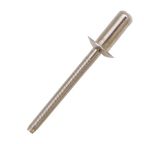
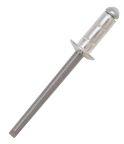
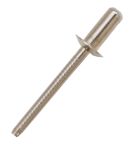
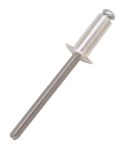
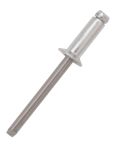
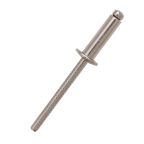
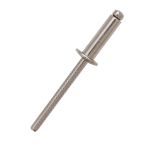
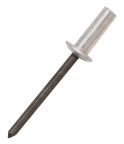
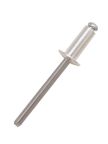
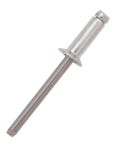
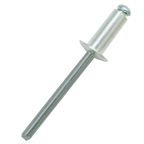
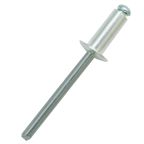
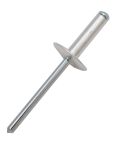
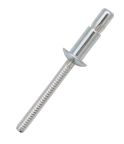
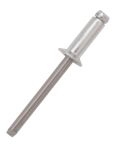
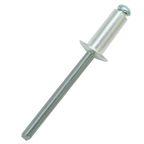
As a trusted supplier of rivets in Australia, we offer blind rivets, also known as pop rivets, which install from one side only, making them ideal when the reverse side is inaccessible. They contain a central mandrel that, when pulled by a rivet tool, expands the rivet body and snaps off to create a secure joint.
Blind rivets are a versatile fastening solution for a variety of needs:
- Benefits: Their single-sided installation is ideal for situations where you can't access the other side of the material.
- Use Cases: They are commonly used in the automotive, aerospace, and construction industries where access is limited.
Tubular Rivets
Tubular rivets have a hollow shaft with a hole through the centre and come in various head styles like oval, button, flat, and countersunk. Their lightweight design makes them ideal when reducing bulk or weight matters.
This type of rivet offers a secure yet lightweight fastening solution.
- Benefits: They create strong joints while using less material and allow wires or components to pass through the hollow centre.
- Use Cases: Often used in luggage, furniture, electronics, and general assembly applications.
Snap Rivets
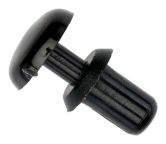
Snap rivets are two-part, pre-assembled fasteners that press into a hole to hold materials together, enabling quick, tool-free installation, perfect for high-volume or temporary assemblies.
These rivets offer a fast and convenient fastening solution:
- Benefits: Easy to install without special tools, providing a clean, neat finish.
- Use Cases: Commonly used for attaching trim, panels, and lightweight materials in electronics and automotive industries.
Solid Rivets
Solid rivets are the classic rivet type, made from a single solid metal piece with no internal holes. Their sturdy construction delivers exceptional strength and durability.
Renowned for their toughness, solid rivets are trusted in critical, high-stress applications:
- Benefits: Resistant to vibration, water, and tampering, ensuring maximum strength and long-lasting performance.
- Use Cases: Widely used in aircraft manufacturing, structural projects, and heavy machinery where reliability is paramount.
Rivet Nuts (Threaded Inserts)
Rivet nuts, also called threaded inserts, are fasteners that create permanent, reusable threads in thin materials where tapping isn’t possible. They feature a hollow cylindrical body with internal threads and are key rivet components.
Rivet nuts offer an effective way to add strong threaded connections in thin materials:
- Benefits: Provide durable threads in thin materials and can be installed from one side for convenience.
- Use Cases: Commonly used in automotive, electronics, and other industries for securing components to thin sheet metal and plastics.
How to Select the Right Rivet
Choosing the right rivet ensures a strong, durable joint. Consider these key factors when looking to buy a rivet online:
- Material Compatibility: Select rivets made from materials compatible with those being joined to prevent galvanic corrosion. For example, use aluminium rivets with aluminium parts or stainless steel with a protective barrier when mixing metals.
- Grip Range: Match the rivet’s grip range to the total thickness of the materials. Too small a grip won’t secure the joint; too large will reduce clamping force and loosen the connection.
- Strength & Load Requirements: Choose rivets with shear and tensile strength ratings above your application’s expected load to ensure the joint withstands stress.
- Head Style: Pick a head style based on function and appearance: dome heads for general use, countersunk for flush surfaces, and large flange heads to distribute pressure on soft or brittle materials.
- Length & Diameter: Choose a rivet diameter that fits snugly in the pre-drilled hole to ensure strength without damaging the material. A diameter that’s too small weakens the joint, while one that’s too large may not fit properly. The rivet length should be enough to pass through the materials and allow for a secure set on the other side. Too short or too long can cause weak or loose joints.
What is a Pop Rivet Used for?
Pop rivets are primarily used to permanently join two or more materials, such as steel, aluminium, or copper plates. They are an essential fastener in mechanical applications where a secure, non-loosening joint is critical to prevent failure.
What are the Applications of Rivets?
Rivets find wide use across industries thanks to their strength and dependable performance.
- Aerospace: Rivets are critical for assembling aircraft fuselages, wings, and other structural components, where their high strength-to-weight ratio and resistance to vibration are paramount.
- Automotive: They are widely used for fastening car body panels, chassis components, and internal parts where a permanent, secure joint is needed.
- Construction: In building and infrastructure projects, rivets are essential for joining structural steel, bridges, and facades, providing robust and long-lasting connections.
- Electronics: Rivets secure circuit boards, chassis, and various internal components in electronic devices.
- Power and Infrastructure: They are used in power generation equipment like turbines and generators, and are also vital for infrastructure such as bridges, power line towers, and renewable energy components like wind turbines and solar panels.
- Food and Beverage: Rivets are utilised in machinery and equipment such as in food processing and packaging lines.
- Warehousing and Transportation: Rivets are used to assemble conveyor systems and industrial shelving in warehouses, as well as for the construction of bus frames and railcars.
Frequently Asked Questions About Rivets
How do you install rivets?
To install a rivet, first drill a hole through the materials you want to join. Insert the rivet into the hole, then use a rivet tool to set the tail. This process, called bucking, deforms the rivet tail to about 1.5 to 2 times its original diameter, securely holding the rivet in place.
What tools are used to install pop rivets?
Pop rivets can be installed using different tools and components depending on the application and volume. Manual riveters are handheld tools suitable for light-duty use. Battery-powered rivet guns provide greater mobility and power for frequent use. Pneumatic rivet tools offer the fastest, most consistent installation for high-volume or industrial applications.
How to Order Rivets Online from RS Australia?
Find the right rivets for your project at RS Australia. As a well-known global supplier, we offer a wide range of high-quality rivets from trusted brands like POP, Essentra, Rapid Agrafage, and our own RS PRO. Discover our full online selection to find the perfect solid aluminium rivets, sealed rivets, hex standoffs, socket screws, and hex nuts to suit your industrial, mechanical, and construction fastening needs.
Ordering is simple. Just add your chosen items to the cart and complete your purchase through our secure and user-friendly checkout. We offer flexible payment options for your convenience. For details on delivery times, shipping fees, and service coverage across Australia, please visit our Delivery Information page.
Popular Searches
Related links
- POP Stainless Steel Blind Rivet, 4.8 mm
- POP Aluminium Blind Rivet, 4 mm
- Pop Rivets Stainless Steel Blind Rivet, 4.8 mm
- POP Stainless Steel Blind Rivet, 4 mm
- POP Aluminium Blind Rivet, 2 mm
- POP Aluminium Blind Rivet, 3 mm
- POP Stainless Steel Blind Rivet, 3.2 mm
- Pop Rivets Stainless Steel Blind Rivet, 3.2 mm