Instrument Cases
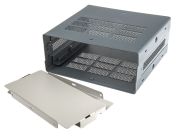
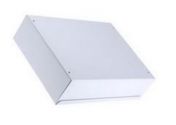
An instrument case—also known as an enclosure, box, or housing—is designed to protect sensitive electronics and equipment from dust, water, chemicals, and physical impact. Whether made from plastic, metal, or aluminium, instrument cases create a secure environment for components ranging from printed circuit boards to industrial control units.
How Do Instrument Cases Work?
By encasing your devices within a structured housing, an instrument case shields internal electronics from external hazards like dust, moisture, debris, and mechanical shocks. Metal or aluminium variants offer enhanced electromagnetic protection and strength, making them ideal for robust industrial applications.
Instrument Cases Types
Explore different types of instrument cases based on material, protection level, and form factor:
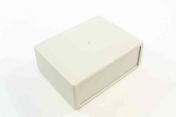
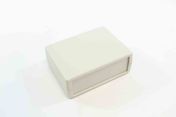
- Plastic Enclosures: Lightweight, cost-effective, ideal for indoor use and low-impact applications.
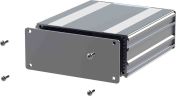
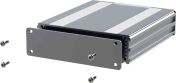
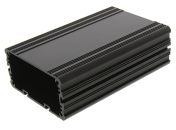
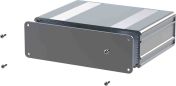
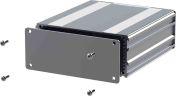
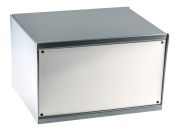
- Metal Aluminium Cases: Durable, rugged, and corrosion-resistant—suited for outdoor or harsh industrial environments.
- NEMA/IP Rated Enclosures: Provide sealed protection (e.g. IP65, NEMA 4X) for washdown, dust, and water ingress situations.
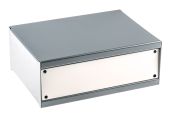
- Desktop Instrument Boxes: Compact, bench-top housings for test equipment, sensors, and data loggers.
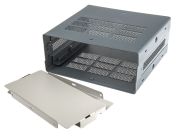
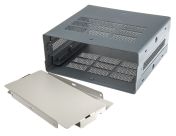
- Rack-Mount & Panel-Mount Cases: Designed to fit rack frames or panel cut-outs—a common choice in telecom and lab setups.
- Portable Instrument Cases: Rugged carry-case style enclosures for field instruments or measurement devices.
- Custom Feature Enclosures: Include mounting flanges, transparent windows, antenna cutouts, or ventilation slots for specialised needs.
How to Install Instrument Cases
Proper installation ensures your instrument case provides maximum protection and performance. Here are some general steps:
- Choose the Mounting Location: Select a stable, accessible site that avoids excessive vibration, moisture, or heat.
- Secure the Case: Use mounting brackets, screws, or DIN rails as specified by the enclosure design. Ensure the case is firmly fixed to prevent movement.
- Prepare Cable Entries: Use appropriate cable glands or conduit fittings to maintain the case’s environmental rating and protect cables.
- Install Internal Components: Attach PCBs, controllers, or sensors using standoffs, brackets, or DIN rails inside the case. Keep wiring neat and secure.
- Seal the Enclosure: Check that gaskets and seals are correctly positioned. Tighten covers or panels evenly to maintain dust and water resistance.
- Test the Setup: After installation, verify access to controls and confirm that all seals and connections maintain the required protection.
Applications of Instrument Cases
Utilised in a number of industries, instrument cases can be used to protect delicate electronics, but the applications are endless as instrument enclosures are capable of housing various items.
Typical applications of instrument cases include:
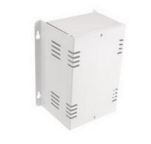
- Outdoor LED Power Supply Casing: Protects lighting systems from weather exposure and debris.
- Enclosed Switches: Houses switches and control buttons in industrial panels.
- Industrial Camera Housing: Shields surveillance or machine vision cameras from contaminants and physical damage.
- Desktop Instrument Casing: Ideal for benchtop devices like oscilloscopes, meters, and test equipment.
- Printed Circuit Boards (PCBs): Encases boards used in prototyping, diagnostics, and embedded systems.
- Measurement and Monitoring Equipment: Protects instruments used in process control, automation, and data logging.
Whether for permanent installations or portable use, instrument enclosures are essential for maintaining performance, safety, and durability in electronic systems.
How to Choose the Right Instrument Cases
Selecting the right instrument case depends on your application requirements, environmental conditions, and internal component dimensions. Use the following criteria to guide your selection:
- Material: Choose from plastic, aluminium, or steel based on strength, weight, and corrosion resistance needs. Metal instrument cases offer enhanced durability and heat dissipation for industrial use, while plastic enclosures are lightweight and cost-effective.
- Protection Rating: Check the IP rating or NEMA rating to ensure the case meets environmental protection requirements such as dust, moisture, or impact resistance.
- Internal Space & Mounting: Measure your components and select an enclosure with adequate internal dimensions, mounting rails, or panel cutouts to suit your electronics.
- Ventilation & Cooling: If your equipment generates heat, look for cases with built-in vents or the ability to add fans and heat sinks.
- Accessibility: Consider access points such as removable panels, hinged doors, or screw-on lids, depending on how often the enclosure will be opened for service or adjustments.
- Application Specific Features: Some enclosures are designed for portable instruments, wall mounting, or 19-inch rack systems. Others include built-in handles, display windows, or shielding for EMI protection.
By assessing these key factors, you can choose a protective instrument case that aligns with both technical and environmental needs.
Buy Instrument Cases Online from RS
RS is a trusted supplier of instrument cases in Australia, offering a wide selection of enclosures and casing solutions for electronic, industrial, and commercial use. Our range includes high-quality products from industry-leading brands like Hammond, METCASE and Takachi Electric Industrial.
In addition to instrument cases, we stock essential accessories to complete your setup, including sensor cables, zip ties and electrical conduit fittings.
Order your instrumental case and accessories online today and enjoy fast, nationwide doorstep delivery. For details on how to place your order, estimated delivery times, and service fees for your location in Australia, please refer to our Delivery Information Page.

Popular Searches
Related links
- General Purpose Enclosures
- Transit Cases
- Takachi Electric Industrial MO Grey Aluminium Project Box, 230 x 160 x 132.5mm
- ROLEC aluCASE Grey Die Cast Aluminium Project Box, 220 x 130 x 70mm
- ROLEC aluCASE Grey Die Cast Aluminium Project Box, 260 x 150 x 90mm
- ROLEC aluCASE Grey Die Cast Aluminium Project Box, 280 x 170 x 90mm
- Takachi Electric Industrial Grey Aluminium Project Box, 350 x 370 x 132.5mm
- Takachi Electric Industrial YM Black Aluminium Project Box, 400 x 250 x 55mm