Magnets
A magnet is an object that produces a magnetic field, attracting certain metals such as iron, nickel and cobalt. With high pull force and different shapes available, magnets are suitable for a variety of purposes. From ring magnets with threaded holes to magnets with inbuilt hooks, you will find a wide range of shapes available for different applications in Australia. High strength magnets are also available for lifting and pulling applications.
How Magnets Work
A magnet works by generating a magnetic field. This field is created by the alignment of tiny magnetic regions within the material, known as magnetic domains. In a permanent magnet, these domains are permanently aligned, resulting in a continuous force. This force attracts ferromagnetic materials and can also attract or repel other magnets. The strength of the force is strongest at the magnet's north and south poles, diminishing with distance.
There are two main types of magnets: permanent and temporary. Permanent magnets retain their magnetism indefinitely, while temporary magnets only become magnetic when an electric current is passed through them.
Applications of Magnets
Industrial Automation
In automation systems, magnets are used for sensors, actuators and clamping applications, ensuring efficiency and reliability in production lines.
Workshops
In workshops, a magnetic bar can be used for tool organisation, welding clamps and jig fixtures, keeping equipment secure and accessible.
Lifting and Material Handling
Heavy-duty industrial magnets are widely used in factories and warehouses to lift, hold and transport metal sheets, pipes and scrap safely and efficiently.
Education and Laboratories
In schools, magnets are essential for teaching physics concepts, experiments and demonstrations of magnetic force and induction.
Retail Display
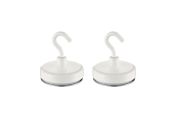
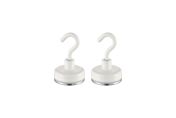
Threaded magnets and pot magnets with hooks are often used in retail displays to hold signage, secure displays and mount shelving discreetly.
Electronics
Magnets are found in almost all electronic devices, including speakers, headphones, hard drives and relays. Additionally, small magnets are used in some smartphone and tablet cases to enable auto sleep/wake functions.
General-Purpose Fixing
From DIY projects to commercial environments, magnets provide convenient, aesthetically pleasing fixing solutions.
Magnet Types
By Material
- Neodymium Magnets: The strongest type of permanent magnet available, they are known for their incredible holding power.
- Samarium Cobalt (SmCo): These magnets are powerful and can operate at high temperatures without losing magnetism.
- Alnico Magnets: Made from an alloy of aluminium, nickel and cobalt, these magnets are strong, corrosion-resistant and have a high temperature tolerance.
- Ferrite Magnets: Also known as ceramic magnets, they are highly resistant to corrosion and demagnetisation.
By Shape
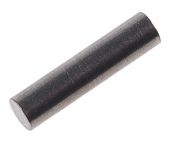
- Bar Magnets: A classic rectangular shape, a bar of magnet is often used in educational settings and for general-purpose holding.
- Horseshoe Magnets: Characterised by their U-shape, they concentrate the magnetic field at the two poles, making them very strong for their size.
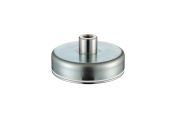
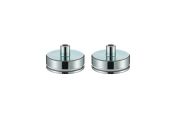
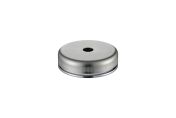
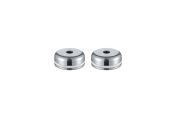
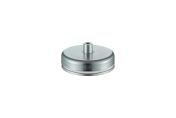
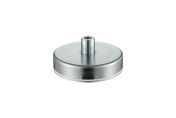
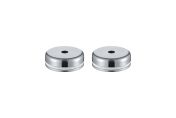
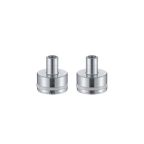
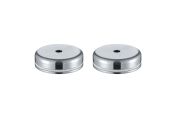
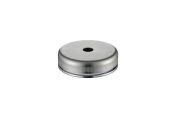
- Pot Magnets: A steel cup-shaped shell with an internal magnet, the steel redirects the magnetic field to one face, increasing its holding power.
- Ring, Disc, Block and Rod Magnets: These are a variety of geometric shapes used for specific applications, from speaker components to laboratory equipment.
By Mounting or Feature
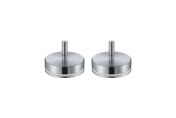
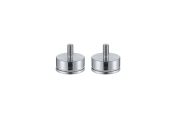
- Threaded Magnets: A threaded magnet has a threaded stud or a female thread, allowing it to be screwed into a surface or attached with a bolt.
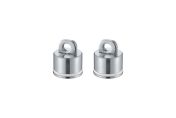
- Magnets with Hooks: These magnets are designed for hanging objects.
- Countersunk Hole Magnets: Featuring a countersunk hole, these magnets can be fixed with a flat-head screw.
How to Install Magnets
The installation of magnets is highly dependent on their type and purpose. Threaded magnets can simply be secured using screws or bolts, while pot magnets can be surface mounted with screws through built-in holes.
When using magnetic bars for clamping or fixing, ensure the contact surface is clean and flat to maximise holding strength. Avoid excessive heat or impact during installation, as these can reduce magnetic performance.
How to Choose the Right Magnets
- Application: Decide whether you need industrial magnets for lifting, bar magnets for educational pruposes, or precision components for electronics.
- Material: Choose neodymium for strength, ferrite for affordability and Alnico for stability.
- Shape: Select a magnet bar, disc, block or pot magnet depending on the use case.
- Mounting Method: Consider whether a threaded magnet or hook-style magnet is required.
- Size and Strength: Match the magnetic pull force to the task at hand to avoid over- or under-specifying.
- Environment: For outdoor or high-temperature use, select corrosion-resistant or high-temperature materials such as Samarium Cobalt.
Buy Magnets Online from RS
RS is a trusted magnet manufacturer, supplier and distributor in Australia. Our catalogue includes affordable options for schools and workshops as well as heavy-duty industrial models, starting from general-purpose magnet bar packs to premium neodymium industrial magnets. We stock products from trusted brands that include Eclipse, ifm electronicand RND. You can also find the Neodynium magnets you require in our online shop.
Whether you are looking to buy magnets for industrial lifting or explore magnets for sale in bulk, RS provides reliable solutions and fast delivery across Australia. To find out more information on delivery timelines or for purchasing support, please visit our delivery page.