Cable Joints
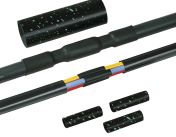
A cable joint, sometimes referred to as a cable splice, is a connection created between two or more electrical cables to enable the continuous flow of electrical current. It’s typically employed when cables require extension, repair, or connection to different equipment or structures.
The cable jointing process involves carefully stripping the insulation from the cable ends and connecting the exposed conductors. The resulting joint is then insulated to shield it from environmental factors, such as moisture, dust, and mechanical stress.
This insulation is vital for preventing short circuits, electrical leakage, and other potential hazards. For more complex installations, a 3-phase cable jointing kit might be used to ensure robust connections.
Cable joints are essential across diverse applications, including power distribution, telecommunications, and industrial settings. Various types are available, depending on the application and the nature of the cable being connected.
Types of Cable Joints
Cable joints can be categorized by construction method and function, each designed to ensure reliable connections and optimal performance in electrical systems across various applications.
By Construction / Method
Heat Shrink Joints
Heat shrink joints involve applying heat to specially designed tubing around the cable joint. This process causes the tubing to shrink tightly, providing a robust, insulated, and moisture-resistant seal.
They are commonly used for both underground and overhead cable connections, ensuring long-term reliability.
Cold Shrink Joints
These cable joints use pre-expanded rubber or silicone tubing that contracts firmly when a removable core is pulled out. They are easy to install without the need for heat or special tools, making them a safe and efficient choice for various cable jointing applications, including those in hazardous environments.
Resin-Filled Joints
Resin-filled joints involve encapsulating the electrical joint within a special compound that hardens to provide insulation and protection.
These joints offer excellent water and corrosion resistance, making them particularly effective for underground cable joint applications or when cables are submerged.
Taped Joints
Taped joints are formed by wrapping multiple layers of insulating tape around the wire joint.
While less common for new installations due to advancements in other jointing methods, they can still be found in older electrical systems where a flexible, field-applied insulation method was preferred..
Mechanical Joints
Mechanical joints employ specialised connectors, clamps, or couplers to securely join cable ends. These robust connections are often used in industrial applications and temporary setups, providing reliable electrical continuity.
Installation typically requires specific cable jointing tools for proper termination.
Pre-Moulded Push-On Joints
Featuring a pre-engineered design, these connectors feature a pre-formed insulating body that allows for quick and tool-free installation. They can be pushed or slid onto cable ends, creating a secure and insulated connection.
By Functions
Straight Joints
Designed to connect two lengths of cable of the same type and diameter, straight joints ensure a continuous and reliable electrical path. Applied in underground and overhead systems, they are essential for creating longer cable runs in power distribution .
Branch Cable Joints
A branch cable joint allows a main cable to split into two or more smaller branch circuits. This is particularly useful for distributing power to multiple points from a single source.
Multiple-Branch Joints
Multiple-branch joints extend the functionality of standard branch joints, enabling a main cable to connect to several new circuits simultaneously.
Transition Joints
Transition joints are specialised cable joints used to connect cables of different types or sizes, ensuring a seamless and compatible connection. Their versatility enables them to handle various voltage levels, constructions, and materials.
Types of Cable Joint Installations
- Underground Cable Joints : Underground cable joint installations involve burying electrical cables directly in the ground. This requires robust sealing to protect against moisture, soil pressure, and mechanical damage. Common applications include power distribution to residential and industrial areas, as well as street lighting, where a reliable underground cable joint kit is essential.
- Underwater Cable Joints: For submerged applications, underwater cable joiner installations are engineered to withstand extreme water pressure and ingress, ensuring electrical integrity. They are commonly found in submarine communication lines, offshore renewable energy projects, and marine exploration equipment, demanding specialised sealing and durability.
What are the Benefits of Cable Joints?
Here are some of the key benefits of using cable joints:
- Cable Extension and Repair: Cable joints allow for the extension or repair of electrical cables, negating the need to replace entire cable runs. This allows for seamless connections between differing lengths and efficient replacement of damaged sections.
- Flexibility and Adaptability: These joints provide exceptional flexibility, enabling the connections of diverse cable types. This adaptability helps to accommodate changes in system requirements and integrate various cable sizes or insulation types.
- Minimised Disruption: Cable joints enable repairs or modifications to be made without causing significant disruptions to the overall electrical system. This reduces downtime and ensures continuous operation, which is critical in industrial settings.
- Environmental Protection: Designed to provide robust insulation and comprehensive protection, cable joints safeguard electrical connections from moisture, dust, chemicals, and mechanical stress. This enhances long-term reliability.
- Safety Enhancement: Cable joints are crucial for upholding safety standards. They prevent electrical hazards, such as short circuits or leakages, mitigating the risk of accidents, equipment damage, or fires within electrical installations.
- Time Savings: The installation of cable joints is often significantly quicker and more efficient than undertaking full cable replacements. This translates to considerable time savings during maintenance or repairs, optimising operational efficiency.
Cable Jointing Techniques
Various techniques exist for cable jointing, each offering distinct advantages for different applications.
Manual Jointing
Manual jointing involves physically twisting or interlocking conductors, often followed by insulation with tape or heat-shrink tubing.
This method is versatile and adaptable for field repairs or custom installations. While cost-effective, it can be labour-intensive and relies heavily on installer skill for consistent quality.
Automated Jointing
Automated jointing employs specialised machinery to connect conductors and apply insulation precisely.
This technique is ideal for high-volume production, ensuring consistent quality and speed.
However, it requires significant initial investment in equipment, making it less suitable for small-scale or unique applications.
Soldering
A filler metal (solder) is melted to join conductors in soldering, creating an electrical connection.
This jointing technique offers excellent electrical conductivity and mechanical strength, making it popular in electronics and telecommunications. However, it can be time-consuming.
Crimping
Crimping uses a mechanical tool to deform a connector onto conductors, creating a strong electrical and mechanical joint. The process can be done manually or with automated systems.
While this technique is reliable, fast, and requires no heat, it demands specific crimping tools and compatible connectors for optimal results.
Compression
Compression jointing involves pressing a metallic sleeve or connector onto conductors using a specialised tool.
This method offers high mechanical strength, good electrical conductivity, and waterproofing. It is commonly used for larger power cables and in outdoor installations where durability is paramount.
Industrial Applications of Cable Jointing Tools
Cable joints are critical components across a range of industries, providing essential connectivity and enhancing the reliability of electrical networks.
Power Distribution Networks
In power distribution, cable joints are fundamental for extending and repairing underground or overhead power lines.
Underground cable joiners are crucial for creating robust, sealed connections that withstand environmental stresses and ensure continuous power supply to homes and businesses.
Telecommunications Infrastructure
The telecommunications sector relies on cable jointing for extending fibre optic and copper communication lines.
Waterproof cable joint kits are frequently employed for connecting underground or aerial cables, ensuring signal integrity over long distances and in harsh conditions.
Industrial Automation and Machinery
In industrial automation, cable joints are used to connect power and control cables for machinery and robotic systems.
Mechanical joints or heat shrink varieties ensure secure, vibration-resistant connections, crucial for maintaining uninterrupted operation and safety on factory floors.
Mining and Construction
Mining and construction sites demand highly durable electrical connections due to harsh operating environments.
Underground cable joiners help to extend heavy-duty power cables safely through tunnels and excavation sites, providing reliable power to machinery.
Marine and Offshore Systems
For marine and offshore applications, cable joints must withstand extreme conditions, including saltwater immersion and high pressure.
As such, specialised underwater cable joiner kits are designed to create impermeable seals for submerged cables in offshore platforms, subsea vehicles, and coastal installations.
Key Considerations When Choosing Cable Joints
When selecting a cable joint, consider the following factors to ensure optimal performance, safety, and longevity for your electrical installation.
Cable Type
Different cables, such as shielded, unshielded, or armoured, require specific jointing methods and materials. Therefore, consider the type of cable used in your application.
For example, a fibre optic cable joint will differ vastly from an electrical power cable joint due to their distinct transmission properties.
Voltage Level
The operating voltage level of the electrical system is a critical factor. High-voltage applications demand robust insulation and advanced jointing techniques to prevent breakdown and ensure safety.
For instance, a 3-phase cable jointing kit designed for low-voltage residential use will be inadequate for a medium-voltage industrial power line. Instead, a high-integrity design would be necessary.
Environmental Factors
The environmental conditions where the cable joint will be installed impacts the required protection.
If you’re installing an underwater cable joiner, for example, you’d need a waterproof cable joint kit. Meanwhile, an indoor wire joint may not necessarily need waterproofing.
Safety
Safety is essential when selecting any wire joint solution. Look out for certified products that meet relevant industry standards to prevent electrical hazards like short circuits or insulation failures.
Different Cable Materials
Dissimilar metals may require specialised connectors or jointing compounds to prevent galvanic corrosion and ensure a stable connection.
For example, a joint connecting a copper cable to an aluminium one will require specific bimetallic connectors. As such, pay attention to the materials that you’re working with.
Buy Cable Jointing Supplies at RS Australia
RS Australia is a trusted supplier and distributor of cable jointing kits, providing a comprehensive selection of cable joints at competitive prices.
Our range includes high-quality options from reputable brands, such as HellermannTyton, Raytech, nVent ERICO, and Prysmian, ensuring reliable connections for every application.
Beyond cable joints, we also offer a wide array of other cabling components, such as heat shrink tubing and solder sleeves, to meet all your electrical connection needs.
Browse our user-friendly online site to explore the full range and have them shipped directly to your door at your convenience. With our flexible delivery options, you’ll receive your products right when you need them.
For comprehensive details on delivery times and fees, please consult our delivery information page.



Related links
- What Beginners Should Know About Cable Joints
- 3M LVI-1/x Cable Joint Kit Straight Economy LV Cable Joint
- Prysmian Cable Joint Kit Straight Pur Resin, Straight Cable Joint
- HellermannTyton Relicon Cable Joint Kit Straight
- Exploring the World of Cable Joints: Types and Applications
- Prysmian Cable Joint Kit Straight Pur Resin Gloves Tape Shell
- Raytech Cable Joint Kit Straight Cable Ties Pre Filled Enclosure With Phase Separator, Plastic Fillers
- 3M LVI-1/x Cable Joint Kit Economy LV Cable Joint