- Published 15 Jan 2025
- Last Modified 15 Jan 2025
- 8 min
RCD Testing: How to Test and Requirements in Australia by State
Understand RCD testing requirements in Australia with this guide. Learn how to test RCDs and comply with Australian standards for electrical safety.

This guide explores RCD testing requirements in Australia, covering procedures, regulations and the importance of RCD testing for electrical safety.
What is Residual Current Device (RCD) Testing
Residual Current Device (RCD) testing is a critical safety procedure that verifies the operational effectiveness of RCDs. These devices protect people from potentially fatal electric shocks by quickly disconnecting the electrical supply when a fault current is detected. RCD testing includes a series of systematic checks to ensure the RCD trips promptly and reliably during a fault, safeguarding individuals from electrical hazards.
In Australia, RCD testing is not only a best practice for safety, it's also a legal requirement under various Australian Standards, including AS/NZS 3760:2022. Regular RCD testing ensures that these devices are functioning correctly and are providing the necessary protection against electrical hazards. These hazards include earth faults, where electricity flows to earth through an unintended path, and leakage currents, which are small amounts of current that may leak from faulty appliances or wiring.
Importance of RCD Testing
Faulty or untested RCDs can pose significant risks, including electrocution, electrical fires and property damage. RCD testing verifies that these safety switches are functioning correctly, and will trip quickly enough to protect people from dangerous electrical faults.
The Work Health and Safety (WHS) Act 2011 and the Electrical Safety Act 2002 mandate regular testing of RCDs to ensure compliance, and to minimise electrical hazards in workplaces and homes. Failing to comply with these regulations can result in penalties and legal liabilities.
Australian Standard for RCD Testing
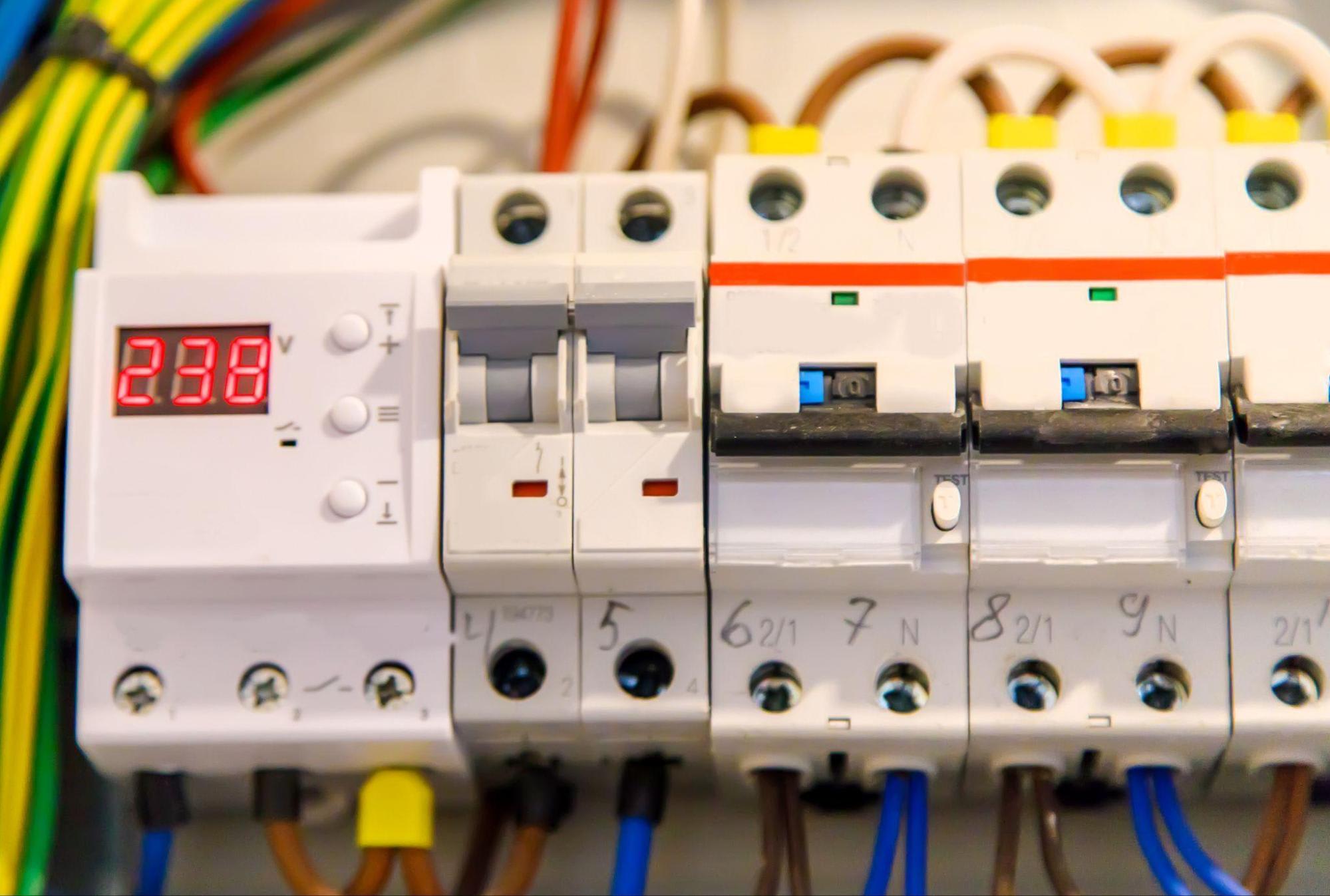
The Australian Standard outlines the RCD testing procedures and requirements for various electrical equipment. This includes proper testing, accurate documentation and the hiring of qualified personnel to ensure compliance and to minimise risks in both residential and commercial settings. Other standards also include:
- Frequency of Testing:
- Workplace: Testing frequencies depend on the risk level, with higher-risk areas needing more frequent checks (e.g., monthly).
- Residential: RCDs are generally tested every 3 months, but more frequent testing may be needed in high-use areas or those with potential hazards.
- Documentation and Record-Keeping: Maintaining detailed records of RCD testing is essential for compliance. These records should include the testing date, results and tester details, ensuring ongoing safety.
- Testing Personnel Requirements: Only qualified electricians or competent personnel should conduct RCD testing to ensure accuracy and compliance with AS/NZS 3760:2022.
RCD Testing Requirements by States and Territories
While the AS/NZS 3760:2022 standard provides the overarching framework for RCD testing in Australia, specific regulations and recommendations may vary between states and territories. It's essential to be aware of these variations in requirements to ensure compliance, and to maintain electrical safety in your region.
New South Wales (NSW)
In New South Wales (NSW), the testing requirements of RCDs in workplaces is mandated by the Work Health and Safety (WHS) Act 2011 and the Work Health and Safety Regulation 2022. While the regulations do not specify exact testing intervals, it is generally recommended that RCDs in higher-risk environments, such as manufacturing and workshops, be tested every 6 months. In other workplace settings, testing is typically required at least every 12 months. For residential properties, although annual testing is advisable to ensure functionality, it is not legally mandated under the WHS regulations.
Victoria (VIC)
RCD testing requirements in Victoria are governed by the Electricity Safety Act 1998 and the Electricity Safety (General) Regulations 2019. In workplaces, the frequency of testing is determined by the risk level of the environment. High-risk areas, such as construction sites and manufacturing facilities, require RCDs to undergo push-button tests every 6 months and operating time tests every 12 months. For both domestic and commercial properties, while there are no strict legal mandates, it is generally recommended to test RCDs regularly, with best practices suggesting testing every 6 months for push-button functionality and annually for operating time tests to ensure safety and compliance.
Queensland (QLD)
Queensland (QLD) has specific RCD (Residual Current Device) testing regulations and requirements established under the Electrical Safety Act 2002, the Electrical Safety Regulation 2013, and AS/NZS 3760:2022. These regulations categorise workplaces into different classes of work, each with designated testing frequencies based on the type of work being performed.
- Construction Work: Portable RCDs must be tested every 3 months.
- Service or Office Work: Portable RCDs require testing every 2 years.
- Other Work Environments: The testing frequency for fixed RCDs and other specified electrical equipment varies, with intervals ranging from 6 months to 5 years, depending on the specific class of work and associated risks.
- Residential Properties: While not legally mandated, regular RCD testing is recommended to ensure safety.
These requirements are designed to enhance electrical safety and ensure that RCDs function correctly to protect against electrical faults.
South Australia (SA)
In South Australia, the inspection and testing of electrical equipment, including RCDs, are governed by the Electricity Act 1996 and associated regulations. The frequency of testing, ranging from 6 months to 5 years, is determined through a risk management approach, considering the work environment and equipment usage. RCDs must be tested regularly by a competent person, and detailed records of these tests must be kept.
Western Australia (WA)
The testing requirements of electrical leads and RCDs in workplaces and temporary installations like circuses is mandated by the Occupational Safety and Health Regulations 1996 in Western Australia (WA). Testing should be conducted every 12 months by a competent person, in accordance with AS/NZS 3760. For hired equipment, testing is required every time it is hired out. This ensures that all electrical equipment is safe and compliant with safety standards.
Tasmania (TAS)
In Tasmania, RCD installation and testing requirements are outlined in AS/NZS 3000:2018, known as the Wiring Rules. Here are the key points regarding RCDs:
- Portable RCDs:
- Must be tested daily using the in-built test button.
- Operating time tests should be conducted every 12 months by a competent person.
- Fixed RCDs:
- Require testing upon installation.
- Regular testing should follow the manufacturer's recommendations, which typically suggest testing every 12 months.
- Type AC RCDs: As of May 1, 2023, Type AC RCDs are not permitted for installation in Tasmania, reflecting updated safety standards aimed at enhancing electrical safety.
These requirements are designed to ensure the safety and reliability of electrical installations in Tasmania.
Australian Capital Territory (ACT)
RCD testing in the ACT follows the Work Health and Safety Act 2011 and AS/NZS 3760:2022. Testing and tagging of electrical equipment, including RCDs, are required in workplaces. The frequency of testing varies based on the risk level associated with the equipment and the environment:
- 6 months for portable appliances used in hostile environments.
- 12 months for portable appliances in general use.
- Up to 5 years for fixed equipment in low-risk environments, depending on specific circumstances and risk assessments conducted.
These requirements are designed to enhance electrical safety and ensure that RCDs function correctly to protect against electrical faults.
Northern Territory (NT)
The Work Health and Safety (National Uniform Legislation) Regulations 2011 and the Electrical Safety Regulations 2024 mandate the use and testing of RCDs in the Northern Territory. All workplaces must utilise RCDs to protect both portable and hand-held electrical equipment. RCDs must be regularly tested by a competent person, and records of these tests must be kept.
How to Test RCD
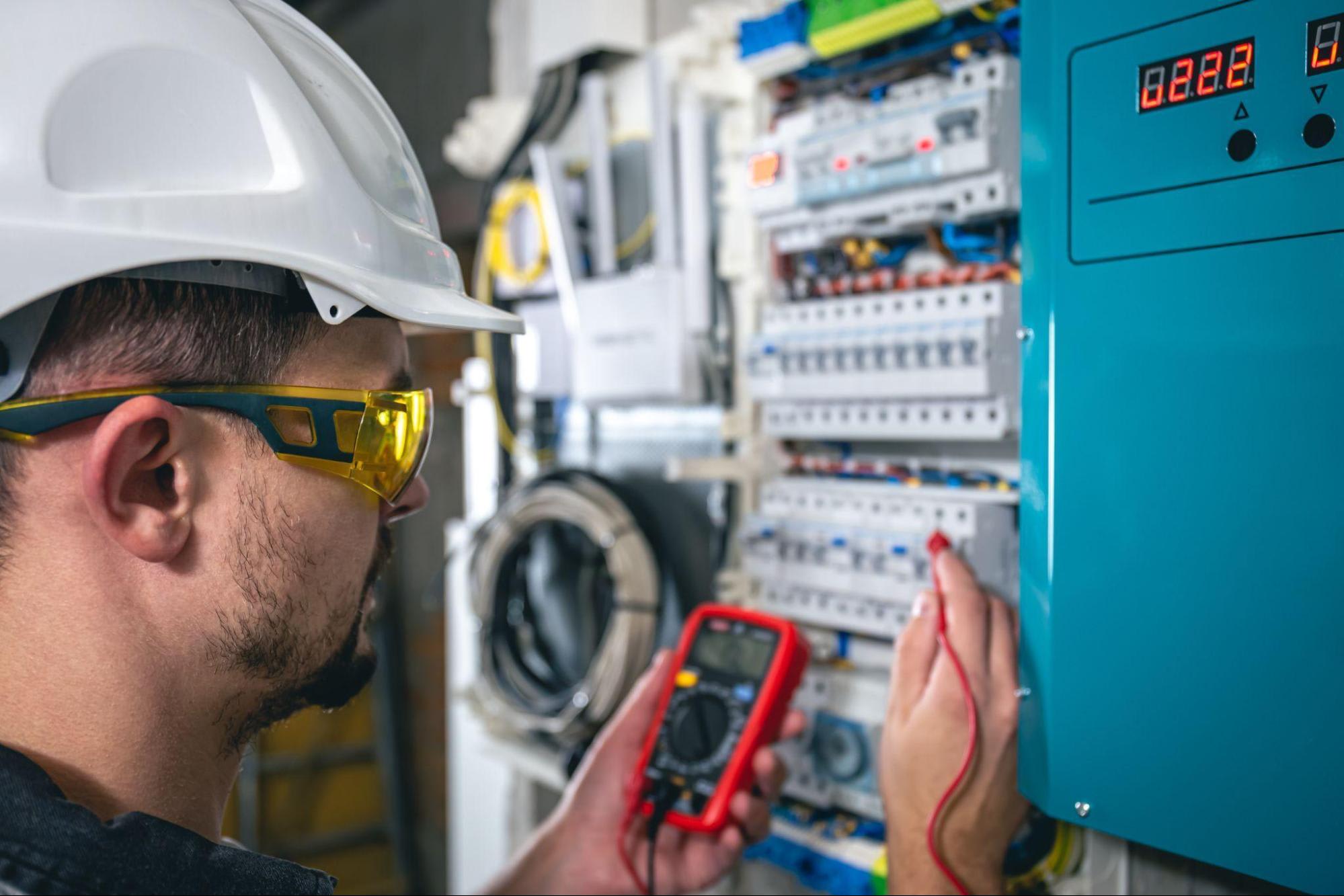
RCD testing is crucial to ensure these safety devices are functioning correctly, and are providing adequate protection against electrical hazards. Here's a step-by-step guide to conducting RCD tests:
Preparation
Before conducting any RCD tests, ensure the surrounding area is safe. Remove any obstacles, turn off sensitive equipment or appliances that may be affected by power interruptions and visually inspect the RCD and its wiring for any signs of damage.
Push-Button Test
Homeowners and business owners can perform a quick and simple push-button test by pressing the "T" or "Test" button on the RCD. This simulates a fault condition and should cause the RCD to trip, cutting off the power supply. It's recommended to perform this test monthly in workplaces and quarterly in residential settings.
RCD Trip Time Test
A trip time test measures the exact time taken for the RCD to trip under fault conditions. This test requires specialised equipment and should be carried out by a licensed electrician. In Australia, RCDs are legally required to trip within 300 milliseconds (0.3 seconds) to ensure adequate protection against electric shock.
Ramp Test
A ramp test assesses the RCD’s sensitivity to leakage current. It involves gradually increasing the leakage current until the RCD trips. This test verifies that the RCD trips at the correct leakage current level, typically 30 milliamps (mA) for standard RCDs.
Polarity and Visual Inspection
A visual inspection of the RCD and its wiring is crucial. Check for correct wiring installation and any visible signs of wear or damage, such as loose connections, burnt wires or cracks in the RCD casing. Ensure the RCD is in good physical condition and properly connected.
Record Results
After conducting any RCD test, it's important to document the results. Record the date of the test, the type of test performed and the RCD’s trip time or leakage current reading. Note the test result (pass or fail) and the date of the next scheduled test. This documentation helps maintain a history of RCD performance and ensures compliance with safety regulations.
What To Do If An RCD Fails
If an RCD fails a test, it should be immediately replaced or repaired by a qualified electrician. Never bypass a faulty RCD, as this can pose a serious safety hazard. Once the RCD has been repaired or replaced, it should be retested to ensure it is functioning correctly.
It's also crucial to investigate the cause of the failure to prevent recurrence. This may involve checking for faulty appliances, damaged wiring or other electrical issues. If the RCD continues to trip after addressing the potential causes, it's recommended to consult a qualified electrician who can thoroughly inspect the wiring — including any associated relay wiring and contactor wiring — to identify the source of the fault.
Common RCD Types in Australia
RCDs are available in various forms to suit different applications and installation requirements. Here are some common types found in Australian homes and workplaces:
Fixed RCDs (Circuit Breaker Type)
These RCDs are permanently installed in the switchboard and provide protection for an entire circuit or group of circuits. They are commonly used in domestic and commercial installations to protect against earth faults and leakage currents.
Common Applications: Residential switchboards, commercial buildings, industrial installations.
RCD Testing Methods:
- Push-button test
- Trip time test
- Ramp test (for some types)
Socket-Outlet RCDs
These RCDs are integrated into a standard power outlet, providing protection for any appliance plugged into that specific outlet. They are commonly used in situations where additional protection is needed for individual appliances, or where a fixed RCD is not available.
Common Applications: Bathrooms, kitchens, outdoor areas, construction sites.
RCD Testing:
- Push-button test
- Trip time test
Portable RCDs
These RCDs are portable devices that can be plugged into a standard power outlet to provide RCD protection for any appliance plugged into the portable RCD. They are commonly used in situations where temporary protection is needed, such as on construction sites or for outdoor equipment.
Common Applications: Construction sites, temporary installations, outdoor equipment.
RCD Testing:
- Push-button test
- Trip time test
Further Readings

Related links
- RCCBs
- A Complete Guide to Insulation Resistance & IR Testing
- A Complete Guide to RCBOs
- Kewtech Corporation LOOPCHECK107 Socket Tester 230V, RCD Test Current 30mA
- Megger LRCD220-EN-BS Loop Impedance & RCD Combined Tester RCD Test Type AC
- Megger LTW315-EU-BS Loop Impendance Tester 3 Wire 440V
- Complete Guide to MCBs: Type A C D Circuit Breakers
- A Complete Guide to PAT Testing