- Published 7 May 2025
- Last Modified 7 May 2025
- 9 min
A Complete Guide to Removing Silicone from Hands
Learn how to remove silicone from your hands with various techniques, from household items to specialised products, without damaging your skin.

Silicone sealants and caulks are indispensable tools for a wide range of DIY projects and professional applications. Whether you're sealing a bathroom sink, weatherproofing windows, or repairing a leaking roof, silicone provides a durable and flexible solution. Learn more about the science and application behind silicone sealants and adhesives.
However, its strong adhesive properties can become a nuisance when it comes into contact with your skin. Silicone clean up can be a real challenge, and knowing how to clean silicone sealant from your hands is essential for anyone working with this versatile material. This comprehensive guide provides effective methods for removing silicone from hands and skin, whether it's still wet or has already dried. We'll explore various techniques using household items and specialised products, ensuring you can tackle silicone clean up without harming your skin. We'll also cover some preventive measures you can take to minimise the need for cleaning and offer additional tips for safe and effective silicone removal.

How to Clean Up Wet Silicone Sealant
When it comes to cleaning up silicone or caulk spills, acting quickly is key. Fortunately, wet silicone is much easier to remove from your hands than dried silicone. Here's a step-by-step guide on how to clean up wet silicone sealant:
- Rinse your hands with water: Immediately rinse your hands under cool running water. This will help to remove any excess silicone and prevent it from drying and hardening. Cool water is preferable as it slows down the curing process of the silicone.
- Wipe off leftover caulk with a paper towel: Use a paper towel or a clean cloth to wipe away as much of the wet silicone as possible. Avoid rubbing vigorously, as this can spread the silicone and make it harder to remove. Instead, use blotting and wiping motions to lift the silicone from your skin.
- Rub your hands with a plastic grocery bag: This may sound unusual, but rubbing your hands with a plastic grocery bag can be surprisingly effective in removing stubborn wet silicone. The friction created by the plastic helps to lift the silicone from your skin, preventing it from sticking. This method works particularly well for removing thin layers of wet silicone.
- Wash and dry your hands: Once you've removed as much silicone as possible using the previous steps, wash your hands thoroughly with soap and warm water. Use a mild soap that won't irritate your skin. Pay attention to areas around your nails and between your fingers, where silicone can easily hide. Dry your hands completely afterward.
Methods for Removing Dry Silicone Caulk
If the silicone has already dried, don't worry! There are still several DIY and commercial methods you can use to remove silicone from your hands:
Household Items
- Warm Water Soaks: Soaking your hands in warm water can help to soften the silicone, making it easier to remove. The warm water increases the flexibility of the silicone, making it more pliable and less likely to crack or break when you attempt to remove it. You can add a few drops of dish soap to the water for added cleaning power and to help break down the silicone's structure. Soak your hands for 10-15 minutes, or until the silicone feels softer.
- Freezing: It might sound counterintuitive, but freezing can help to remove silicone from hands. The cold temperature causes the silicone to become brittle, making it easier to break apart and remove. Place an ice pack or a bag of frozen peas on the affected area for a few minutes to harden the silicone. Once hardened, you can try gently scraping it off with your fingernails or a plastic scraper.
- Rubbing Alcohol: Isopropyl alcohol can effectively dissolve the bonds between silicone molecules, making it easier to remove. Soak a cotton ball in rubbing alcohol and apply it to the silicone. Let it sit for a few minutes, then gently rub the silicone to loosen it. This method is particularly helpful when cleaning up silicone that has dried in hard-to-reach areas.
- Dish Soap and Warm Water: Create a lather with the soap and warm water, and gently rub it onto the silicone. Continue rubbing until the silicone starts to loosen, then rinse with warm water. This is a good first step for fresh silicone, but it can also be helpful for dried silicone. The soap helps to break down the silicone’s structure, while the warm water softens it.
- Cooking Oil (e.g., olive oil): Cooking oil can help to loosen and remove silicone from hands by lubricating the area and making the silicone more slippery. Apply a small amount of oil to the silicone and rub it in. Let it sit for a few minutes, then try to rub or peel the silicone off.
- Butter and Baking Soda: This combination can be surprisingly effective. Coat your hands with butter, then sprinkle baking soda over the silicone. The baking soda acts as a gentle abrasive, while the butter helps to lubricate the skin. Gently rub the mixture into the silicone, then rinse with warm water.
- Vinegar: Vinegar’s acidity can help to soften the silicone, making it easier to remove. Soak a cotton ball in vinegar and apply it to the silicone. Let it sit for a few minutes, then try to rub or peel the silicone off. You can also try soaking your hands in a solution of equal parts vinegar and warm water for 10-15 minutes.
- Sugar Scrub: A gentle sugar scrub can help to remove silicone from hands through exfoliation. Mix sugar with a small amount of olive oil or coconut oil to create a paste. Gently rub the paste onto the silicone, then rinse with warm water.
- Plastic Bag: As mentioned earlier, rubbing with a plastic bag can create friction and help to lift thin layers of dried silicone.
Commercial Products
- Silicone Removers: There are various commercial silicone removers available including gels, cleaning wipes, and solvents. These are specifically designed to dissolve silicone and are often more effective than household items. They come in different strengths and formulations, so choose one that is appropriate for the type of silicone you're dealing with and the sensitivity of your skin. Always follow the manufacturer's instructions carefully when using these products.
- Hand Sanitiser: Many hand sanitisers contain alcohol, which can be effective in removing silicone from hands. Apply a small amount of hand sanitiser to the silicone and rub it in. Let it sit for a few minutes, then try to rub or peel the silicone off.
- WD-40: A multi-purpose lubricant like WD-40 can work in some cases, but use it with caution as it may irritate the skin. Spray a small amount of WD-40 onto the silicone and let it sit for a few minutes. Then, try to rub or peel the silicone off.
Abrasive Methods
(Note: Always use caution when applying abrasive methods to your skin. Improper application may result in irritation or injury.)
- Pumice Stone: A pumice stone can be effective for stubborn silicone, but always use it gently to avoid skin irritation. Wet the pumice stone and gently rub it over the silicone. Avoid applying too much pressure. Rinse the area with water frequently to remove any loosened silicone and check your progress.
- Fine-grit Sandpaper: Similar to a pumice stone, fine-grit sandpaper can be used to remove silicone. But use it with caution to avoid damaging or injuring your skin. Gently rub the sandpaper over the silicone using light pressure and circular motions. Rinse the area frequently and check your progress to avoid over-abrasion.
Methods to Avoid when Removing Silicone from Hands
While there are many effective methods for cleaning up silicone from your skin, there are also some substances you should avoid using as they are typically harmful to your skin:
- Bleach: Bleach is a harsh chemical that can irritate and damage your skin.
- Drain Cleaner: Drain cleaner is a caustic substance that can cause serious chemical burns. It's also not effective in removing silicone from hands.
- Paint Thinner: Paint thinner can also irritate your skin. If you need to use a solvent, mineral spirits are a less toxic option. However, even mineral spirits should be used with caution and proper ventilation.
- Lye: Lye is a highly corrosive substance that can cause severe burns. It should never be used for silicone clean up, especially not on skin.
- Strong Acids or Bases: Strong acids and bases can also cause burns when applied directly to skin. Avoid using them for cleaning off silicone. If you're unsure about the acidity or alkalinity of a cleaning agent, consult the product label or safety data sheet.
- Sharp Tools or Harsh Abrasives: Avoid using sharp tools or harsh abrasives to remove silicone from hands as they can cause cuts, scrapes, and other injuries.
Prevention Tips to Minimise Silicone Clean Up
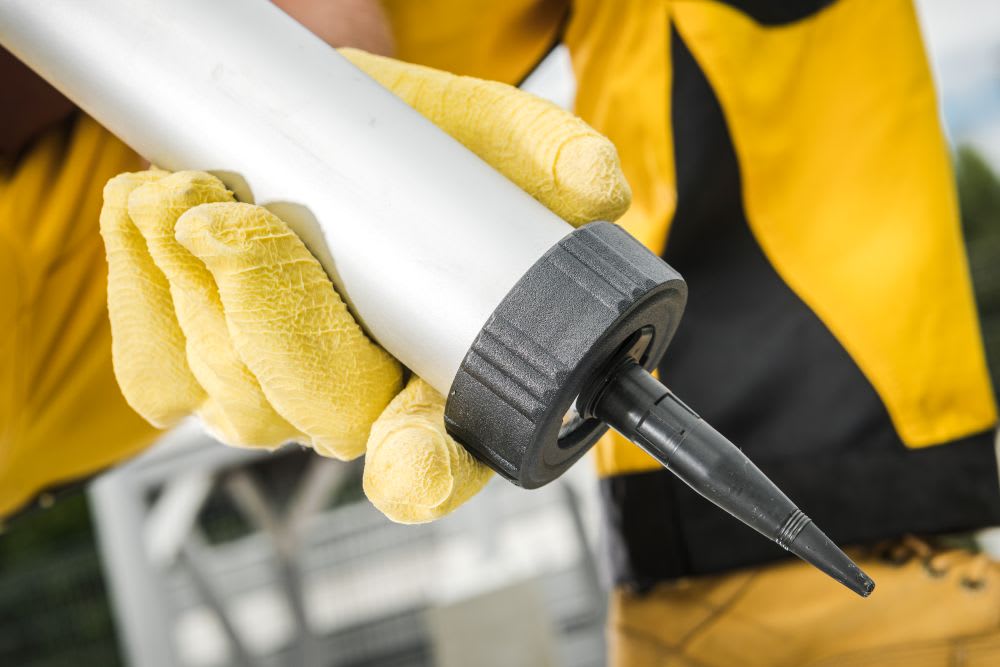
So, is it bad to get silicone on your hands? Not necessarily but it can definitely be an inconvenience. That’s why prevention is always better than cure when dealing with silicone sealants or caulk. Here are some tips to minimise the need for silicone clean up in the first place:
- Wear Gloves: Wearing gloves is the best way to prevent silicone from getting on your hands. Choose disposable gloves made of nitrile or latex for the best protection. These materials are resistant to silicone and provide a good barrier between your skin and the sealant. Make sure the gloves fit snugly but comfortably to allow for dexterity while working.
- Use Petroleum Jelly: Applying a thin layer of petroleum jelly to your hands before working with silicone can create a barrier that makes it easier to remove silicone from hands later. The petroleum jelly prevents the silicone from adhering strongly to your skin, making it easier to wipe or peel off.
- Keep a Wet Rag Handy: Keep a wet rag nearby to wipe away any silicone spills immediately. This will prevent the silicone from drying and hardening on your skin or surfaces.
- Use Masking Tape: Use masking tape to create neat and straight lines when applying silicone sealant. This will help to prevent spills and make silicone clean up easier.
Additional Tips for Removing Silicone
Additional Tips for Removing Silicone
If you’ve gotten silicone on your hands and need to clean it, here are some tips to help ensure your health and safety throughout the process:
- Patch Test: If you're using a new product to remove silicone from hands, especially a commercial remover, it's always a good idea to do a patch test on a small, inconspicuous area of skin first to check for any adverse reactions. Apply a small amount of the product to the test area and wait for 24 hours (or a suitable amount of time) to observe any redness, itching, or irritation. If you experience any discomfort, discontinue use and choose a different product.
- Moisturiser: After removing silicone from your hands, apply a moisturiser to rehydrate your skin as silicone removers and some household cleaning agents can dry out your skin.
- Safety First: Always prioritise safety when working with silicone and cleaning agents. Wear gloves, eye protection, and appropriate clothing to protect yourself from potential hazards. Ensure adequate ventilation when working with solvents or strong cleaning agents. If you have any concerns about how to get silicone off your hands or whether your skin has been damaged by exposure to silicone or cleaning solutions, consult with a medical professional.
By following these tips and techniques, you can effectively remove silicone from your hands without causing any harm. Remember to choose the method that best suits the situation and always prioritise safety.
For all your sealant needs and expert advice, visit RS Australia. We offer a wide range of silicone sealants, removers, and other tools to help you with your DIY projects and professional applications.