pH Probes
pH probes, often referred to as pH sensors, are specialised devices for precisely measuring a substance's acidity or alkalinity (pH level). Constructed with a pH electrode, and at times temperature sensors, they provide crucial readouts of a solution's chemical conditions, vital for quality control, environmental monitoring and process optimisation.
These rod or pen-shaped devices are placed directly into solutions, working with pH meters for visual output. Some advanced pH testing probes also offer additional functionality such as temperature reading and automatic calibration. Their versatility makes them indispensable for a wide array of applications, from laboratory analysis to on-site testing.
Types of pH Probes
pH probes are available in diverse configurations, each suited for specific measurement needs, materials and environmental conditions. These include:
- Glass Probes: Glass pH probes are the most common type, valued for their high accuracy and broad application range. They provide reliable measurements across various solutions, making them standard accessories for laboratories and general use.
- PEI (Polyetherimide) Probes: PEI probes feature a durable polymer body, offering enhanced robustness compared to their glass counterparts. This makes them resilient pH sensors for industrial or field use where breakage is a concern.
- Titanium Probes: Titanium pH probes are exceptionally strong and chemically resistant, designed for highly aggressive or corrosive solutions. They provide reliable pH testing in challenging industrial environments, ensuring effectiveness and longevity.
- PVDF (Polyvinylidene Fluoride) Probes: PVDF probes are known for their excellent chemical resistance to strong acids, alkalis and high temperatures. This makes them highly suitable for demanding chemical processing and industrial applications.
- Multi-functional Probes: Some pH probes offer integrated functionalities, combining pH sensor electrodes with other measurement capabilities. These can include a pH and conductivity probe or even temperature sensors, providing comprehensive data from a single device.
pH Electrode Types for pH Probes
A wide range of pH electrode types are available, each for various specific use applications. Some of the most common types include:
- Chlorine Electrodes: Chlorine electrodes are purpose-built for precisely measuring chlorine levels in water. Their critical role lies in monitoring disinfection processes within pools and water treatment facilities, ensuring public health and safety.
- Conductivity **Electrodes: **These electrodes quantify a solution's electrical conductivity, indicating the concentration of dissolved ions. They are crucial for water quality analysis, often functioning as standalone pH sensors in various industrial applications.
- Conductivity and pH **Electrodes: **These pH electrodes offer combined pH and electrical conductivity measurement in a single unit. They are highly convenient for applications requiring simultaneous monitoring of both parameters, like in hydroponics or wastewater treatment, streamlining data collection.
- **Conductivity, pH and TDS Electrodes: **These advanced multi-parameter electrodes integrate pH, electrical conductivity and Total Dissolved Solids (TDS) measurement. They offer comprehensive water quality analysis from a single pH sensor probe, ideal for complex environmental monitoring requirements.
- **Fluoride Electrodes: **Fluoride electrodes are highly selective instruments, designed to precisely measure specific fluoride ion concentrations in a solution. They are essential for specialised water quality testing and environmental monitoring, ensuring adherence to critical safety or process standards.
- **Oxidation Reduction Potential (ORP) Electrodes: **ORP electrodes measure a solution's redox potential, indicating its oxidising or reducing capabilities. They are crucial for optimising water treatment processes, disinfection control and chemical process management.
When selecting a pH electrode, the material is a primary consideration, with a durable polymer being ideal for industrial use and glass being preferred for laboratory precision. Additionally, evaluate the junction type for sample compatibility, ensuring the pH electrode can withstand the intended temperature range and environmental conditions, as these factors impact accuracy and lifespan.
How to Measure pH with a pH Probe
Measuring the pH of a solution with a pH probe is a straightforward process, but accuracy relies on following these key steps to ensure reliable results:
- Step 1: Calibration — Before any critical measurement, calibrate the pH testing probe using at least two standard buffer solutions. This ensures the pH probe is accurately aligned with known pH values for precise readings.
- **Step 2: Probe Preparation — **Thoroughly rinse the pH sensor with distilled or deionised water between measurements and before calibration. This prevents contamination from previous samples, ensuring accurate readings.
- **Step 3: Taking the Measurement — **Carefully immerse the tip of the pH probe into the sample solution, ensuring the sensor junction is fully submerged. Gently stir and wait for the reading to stabilise on the pH meter's display.
- **Step 4: Interpreting Results — **Once the reading on the pH sensor display has stabilised, record the numerical value. This indicates the acidity or alkalinity of your solution.
- **Step 5: Post-measurement Care — **After use, always rinse the pH probe thoroughly with distilled water and store it in a dedicated storage solution. Proper care extends the probe’s lifespan and maintains accuracy for future use.
Industrial Applications of pH Sensor Probes
pH sensor probes are vital for ensuring quality, safety and process control across a wide range of industrial and commercial sectors. These include:
Laboratories and Research
In laboratories, pH sensor probes are indispensable for precise measurements in chemical analysis and research and development. They are also critical for accurate data collection and quality control in controlled environments, supporting scientific advancements.
Food and Beverage
The food and beverage industry heavily relies on pH probes for critical quality control throughout production processes. They ensure the correct acidity levels in brewing, dairy and beverage manufacturing, impacting product consistency, taste and safety.
Water Treatment and Environmental Monitoring
pH sensors are fundamental in water treatment facilities, monitoring drinking water quality, wastewater and industrial effluent. They are crucial for environmental compliance and ensuring processes meet regulatory standards, protecting ecosystems and public health.
Agriculture
In agriculture, pH probes are vital for optimising crop health and yield. They are used for precise soil measurements and for managing nutrient solutions in hydroponics, ensuring plants receive the ideal conditions for growth.
Leisure and Hospitality
pH sensor probes are essential for maintaining water quality and hygiene in swimming pools, spas and aquariums. They ensure correct water balance and optimise chemical effectiveness for user safety and equipment longevity.
How to Maintain pH Testing Probes
Proper maintenance of your pH testing probe is crucial for ensuring accurate readings and extending its lifespan. Follow these key tips for optimal care:
- Proper Storage: Always store the pH electrode in its designated storage solution or buffer. Never let the sensor dry out, as this can severely affect its performance.
- Regular Cleaning: Thoroughly rinse the pH probe with distilled or deionised water after each use. For stubborn buildup, use specialised cleaning solutions to remove any contaminants.
- Consistent Calibration: Calibrate your pH sensor regularly using fresh buffer solutions. Frequent calibration ensures accurate measurements and compensates for electrode drift over time.
- Routine Inspection: Periodically inspect the pH probe for physical damage, cracks in the glass or depleted electrolyte levels. Address any issues promptly to maintain optimal functionality.
- Timely Replacement: Even with proper care, pH probes have a finite lifespan and will eventually degrade. Replace your pH electrode when the readings become unstable, slow or difficult to calibrate accurately.
Buy pH Probes Online from RS Australia
RS Australia is your trusted manufacturer and distributor of high-quality pH probes. Our catalogue showcases a wide range of pH probes for sale — as well as related products like digital temperature probes and data loggers — at competitive prices, from leading manufacturers like Hanna Instruments and Extech. All our products undergo rigorous testing, comply with international standards and are backed by our commitment to assured quality.
For the utmost convenience, RS Australia also provides the rapid, nationwide doorstep delivery of all your orders. For more information regarding dispatch timelines, applicable charges and diverse shipping choices, please consult our dedicated Delivery Information page today!



Popular Searches
Related links
- pH Meters
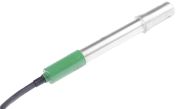
- Hanna Instruments HI-1296D Titanium pH Analysis Electrode 0 to 12 pH, DIN Interface
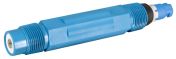
- ProMinent 790488 pH Probe
- Hanna Instruments HI-12963 PH pH Probe DIN Interface
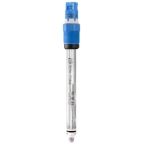
- Endress+Hauser CPS11E-AA7BTA2 pH Probe, 0 → 14 pH
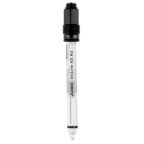
- Jumo 201025/72-22-05-22-120/837,838 pH Probe
- Endress+Hauser CPS11-1AA2ESA Glass pH Probe, 1 → 12 pH
- Jumo 201022/10-12-07-82-120/000 Test Probe Set pH Probe USB Interface