Alarms
Alarm systems are an essential choice for protection in homes, commercial buildings, and industrial facilities. These systems secure entry points like doors and windows, activating when breached to alert occupants or authorities. Alarms can be wired or wireless for extra convenience and easy installation. They are often set using PIN codes, ensuring only authorised personnel have access, and many include tamper warning protection for added security.
How Alarms Work?
An alarm system typically consists of several key components that work together to provide security. The system includes door and window sensors, motion sensors to install in different rooms, and a central control panel. These sensors communicate with the alarm system via the control panel, which can be armed or disarmed using a passcode on a touchpad or wireless remote control.
Once the security alarm system is armed, it is only activated if it detects movement via the motion sensors or if the security circuit is broken by a door or window being opened. Most systems feature an audible siren if triggered, though most burglar alarm systems can also be configured to send messages to a mobile phone or directly to authorities.
Features and Benefits of Security Alarms
Security alarm systems offer a multitude of features and benefits, providing peace of mind and protection for both people and property. For instance:
- Enhanced Protection: A well-installed security alarm provides protection for your property and its contents. By securing entry points with sensors and detecting motion, an intruder alarm system can deter would-be thieves. For businesses in Australia, this protection is critical for safeguarding expensive equipment and inventory.
- Remote Monitoring: Modern alarm systems often include remote monitoring capabilities. This means that if the alarm system is triggered, it can send a notification directly to your mobile phone or a security monitoring service.
- Customisation and Flexibility: Alarm systems are highly customisable, allowing you to create different zones and set specific access codes. This flexibility enables you to tailor the system to your specific needs, whether it's a simple house alarm or a complex commercial alarm system.
Applications of Alarms
Alarms are useful in various industrial and commercial settings across Australia:
Small Business Storefronts
For small business storefronts, a reliable burglar alarm system is crucial for protecting inventory and assets after hours. Sensors on doors and windows, coupled with motion detectors, provide comprehensive coverage, while a visible alarm system acts as a strong deterrent to potential break-ins.
High-Security Facilities
High-security facilities, such as data centres or research labs, require advanced security alarm systems to protect against unauthorised access. These systems often integrate with other security measures, such as access control and CCTV, to provide a multi-layered approach to security and ensure workplace safety.
Apartments and Homes
In Australian homes and apartments, a reliable home security alarm system offers peace of mind. A simple setup with door and window sensors and a motion detector in key areas can deter intruders and alert occupants to a potential breach.
Remote Garages and Sheds
Remote garages and sheds, which often store valuable tools and equipment, are vulnerable to theft. A standalone or wireless alarm system can provide an effective and easily installed security solution, with motion sensors and a loud siren to alert neighbours to any intrusion.
Types of Alarm Systems
Alarm systems can be categorised by their purpose, technology, and functionality, offering a range of options to suit different security needs.
By Application
- Home Alarm Systems: Designed for residential use, these systems protect against intruders in apartments and houses.
- Commercial Alarm Systems: Scalable systems for businesses and offices, often integrated with other security features.
- Industrial Systems: Robust and durable systems for factories and warehouses, safeguarding large, complex spaces.
By Technology
- Wired Systems: Provide a reliable, secure connection with components physically linked to the control panel.
- Wireless Systems: Offer easy installation and flexibility, as components communicate wirelessly.
By Function
- Burglar Alarm Systems: The most common type, designed to detect and deter unauthorised entry.
- Intruder Alarm Systems: A broader term that includes burglar alarms and other forms of intrusion detection.
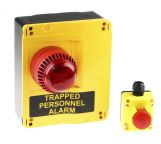
- Panic Alarms: Allow for a manual alarm trigger in emergency situations, often via a dedicated button.
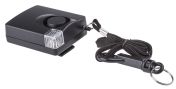
- Personal Alarms: Small, portable devices that sound a loud alarm for personal security.
By Components
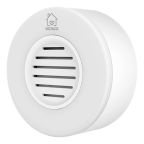
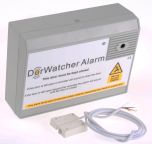
- Standalone Alarms: Self-contained units that work independently, without a central control panel.
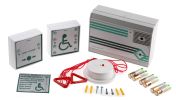
- Full-System Kits: Comprehensive kits including all necessary components for a complete security setup.
- Alarms with Remote Monitoring: Advanced systems that send alerts to your phone or a monitoring service.
How to Install Alarms
Properly installing an alarm system is crucial for its effectiveness. Here’s a general guidance to ensure a secure and reliable setup:
- Plan the Layout: Begin by planning the placement of all components, including the control panel, sensors, and siren. Choose strategic locations to maximise coverage and minimise false alarms.
- Mount Components: Securely mount the control panel, motion sensors, and door/window sensors according to the manufacturer's instructions.
- Connect Components: For wired systems, run the necessary cables neatly and discreetly. For wireless systems, ensure all components are properly paired with the control panel.
- Test the System: After installation, test each component to ensure it functions correctly. Activate each sensor to verify it triggers the alarm as intended.
- Set Up Passcodes: Configure the system with secure passcodes and user settings as needed.
How to Choose the Right Alarm System
Selecting the right alarm system depends on several factors, including the type of property, your specific security concerns, and your budget. Consider these questions to guide your decision:
- What type of property are you protecting? A small apartment may only require a simple home security alarm system with a few sensors, whereas a large commercial building will need a more comprehensive and scalable solution.
- What are your main security concerns? Are you primarily worried about break-ins, fire, or both? This will determine the types of sensors and features you need.
- Do you prefer a wired or wireless system? Wired systems are more reliable but require more installation work. Wireless systems are easier to install but may be susceptible to signal interference.
- Do you need remote monitoring? Advanced systems with remote monitoring capabilities provide an added layer of security, but they may come with an additional fee.
- What is your budget? Alarm systems are available at various price points. Balance the cost with the level of protection and features you require.
Alarms Manufacturer, Supplier & Distributor in Australia
RS Australia is your trusted manufacturer, supplier, and distributor of high-quality alarms. Our extensive selection provides exceptional value, with competitive pricing that fulfils all your requirements. From basic house alarms to complex commercial alarm systems, we offer reliable components from leading brands like Hoyles, ABUS Security-Center, and Schneider Electric, ensuring peace of mind for every property.
To provide a complete solution for your security needs, we also carry other essential components, such as cam locks and magnetic door locks. Simply order online and get fast delivery to your location.
For more delivery details, please refer to our Delivery Page.