Power Inverters
An inverter or power inverter is an electrical device that converts direct current (DC) into alternating current (AC), enabling the use of standard AC-powered equipment from DC power sources such as batteries or solar panels. Whether you're using a car power inverter to charge devices on the road or setting up an off-grid system with a DC to AC converter, the core function remains the same—transforming stored or portable DC energy into usable AC power.
Also known as an electrical inverter or voltage inverter, or simply an inverter, this device is a key component in portable, automotive, and industrial power systems. For example, railway approved power inverters meet stringent safety and performance standards for use in rail transport environments, ensuring resistance to vibration, temperature extremes, and electrical noise. These rugged inverters are often found in trains, signaling systems, and trackside equipment.
Types of Inverters
Power inverters come in various types, each designed for specific applications and environments. Understanding the differences is key to selecting the right unit.
1. Fixed Installation Inverters
These are typically larger, more powerful power supply inverter units designed for permanent set ups in homes, cabins, and remote facilities. Known for higher power capacity and durability, they are often used in off-grid or solar systems to deliver continuous AC power to appliances and equipment.
2. Portable Inverters
Portable inverters are compact, lightweight units designed for convenience and mobility. They usually have lower power output and are perfect for camping, travelling, or powering small electronics like laptops and phone chargers away from a mains socket.
3. Vehicle-Mounted Inverters
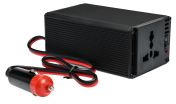
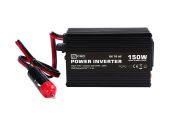
A car power inverter is a specific type of DC to AC converter for car and other vehicle use. These units connect directly to the vehicle's 12V or 24V battery system, providing AC outlets to power tools, computers, and other equipment on the move, making them indispensable for tradespeople and long-distance travellers.
4. Grid-Tie Inverters
Grid-tie inverters are a specialised component of modern solar panel systems. They convert the DC power from solar panels into AC power that is synchronised with the electricity grid, allowing homeowners and businesses to use their own solar power and feed any excess back to the utility provider.
5. Hybrid Inverters
Hybrid inverters combine the functions of a grid-tie inverter and a battery inverter. They can manage inputs from solar, batteries, and the grid, offering intelligent switching and charging capabilities. Ideal for energy optimisation, they’re a preferred solution in modern solar-plus-storage systems.
6. Modular / Rack-Mount Inverters
Designed for industrial, telecommunications, and data centre applications, these inverters are built to fit in standard 19-inch equipment racks. They offer scalability, reliability, and often feature capabilities like handling a high voltage DC to AC inverter setup for specialised systems.
7. Inverter/Charger Combo
An inverter/charger unit merges a DC to AC voltage inverter with a high-capacity battery charger. It not only powers equipment but also recharges batteries when grid or generator power is available—ideal for RVs, marine systems, and emergency backup applications.
Input & Output of Power Inverters
The input voltage and output waveform are two of the most critical technical specifications of any power inverter.
Input Voltage
The input voltage of the inverter must match the voltage of your DC power source (e.g., your battery bank). Using an incorrect voltage can damage the inverter and is a serious safety risk.
Common DC input voltages include:
- 12V DC: The most common voltage for vehicles, including cars and caravans, making it standard for any car power inverter. Also used for smaller portable and off-grid power systems.
- 24V DC: Often found in larger vehicles like trucks, buses, and RVs, as well as in medium-sized off-grid solar power systems for improved efficiency.
- 48V DC: The standard for most modern, larger residential off-grid solar installations and telecommunications applications, offering the best efficiency for high-power systems.
Output Power Waveform
The type of AC power an inverter produces is defined by its waveform. This determines which types of appliances it can safely run.
- Modified Sine Wave : A modified sine wave inverter produces a blocky, stepped waveform that approximates a pure sine wave. It's a cost-effective choice suitable for running simple electronics, lights, and most tools. However, it may cause issues or noise with sensitive equipment like audio devices, some chargers, and appliances with variable-speed motors.
- Pure Sine Wave : A pure sine wave power inverter produces clean, high-quality AC power that is identical to, or even better than, the power supplied by the utility grid. This smooth waveform is essential for safely and efficiently running sensitive electronics, including computers, medical equipment, audio/video devices, and modern appliances.
- Quasi Sine Wave : Quasi sine wave is another term for a modified sine wave. This type of DC to AC voltage inverter offers a budget-friendly way to power less sensitive devices.
- True Sine Wave : True sine wave is another term for a pure sine wave. When you need the highest quality power output for delicate or high-performance electronics, a true sine wave inverter is the required choice.
Applications of Power Inverters
The ability of a DC to AC converter to provide mains power anywhere makes it useful across a huge range of applications.
Off-Grid & Renewable Energy
Inverters are the heart of any off-grid power system. They convert the DC energy stored in batteries from solar panels or wind turbines into AC power to run an entire home, cabin, or remote worksite, providing complete energy independence.
Automotive, Marine & Recreational
From a simple car power inverter to charge a laptop, to a large system in an RV or boat that can run a microwave and other appliances, inverters provide all the comforts of home while on the road or water.
Emergency & Backup Power
When paired with a battery bank, a power supply inverter can form part of an uninterruptible power supply (UPS) system. It provides seamless, instant power to critical equipment like computers, servers, or medical devices during a grid outage.
Mobile & Field Work
For tradespeople, contractors, and technicians working on job sites without access to mains power, a robust electrical inverter connected to a vehicle battery is essential for running power tools, charging equipment batteries, and operating testing devices.
How to Choose the Right Power Inverter
Selecting the correct power inverter ensures your equipment runs safely and efficiently. Follow these steps:
- Determine Your Power Needs (Wattage): Add up the wattage of all appliances you plan to run simultaneously. Choose an inverter with a continuous power rating higher than this total. Also, consider the "peak" or "surge" power rating, which is needed to start devices with motors like fridges or pumps.
- Match the Input Voltage: Ensure the inverter's DC input voltage (12V, 24V, 48V) matches your battery system's voltage. This is non-negotiable for safety and functionality.
- Select the Output Waveform: Choose a Pure Sine Wave inverter for sensitive electronics, audio/video gear, medical devices, or any modern appliance for guaranteed compatibility and clean power. A Modified Sine Wave inverter is a suitable, lower-cost option for simple tools and lighting.
- Consider the Application: Select the right form factor. Do you need a portable unit, a rugged car power inverter, a fixed installation inverter for a building, or a multi-function inverter/charger for a vehicle or backup system?
- Check for Safety Features: Look for essential protections like overload shutdown, over-temperature protection, low-voltage cutoff (to protect your battery), short circuit protection, and proper cooling fans. Ensure the unit complies with relevant Australian safety standards.
Buy DC to AC Power Inverter Online from RS
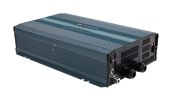
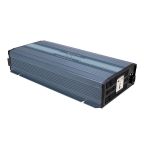
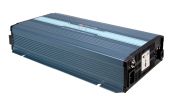
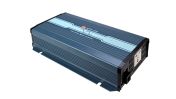
RS is your trusted inverter supplier and distributor in Australia, offering a wide selection of power inverters, including car power inverters, DC to AC converters, and electrical inverters from leading brands such as MEAN WELL, Custom Power Design and Phoenix Contact. Our product range supports a variety of applications—from powering mobile devices on the go to supporting industrial-grade off-grid energy systems.
In addition to power inverters, we also carry essential components such as fuse holders, voltage converters and power cords, enabling you to build complete and reliable power conversion systems.
Order your inverters online today and enjoy fast, Australia-wide delivery or convenient local collection from your nearest RS branch. For full details on order placement, shipping options, and estimated delivery timelines, please visit our Ordering Information and Delivery Page.
Related links
- AC-DC Converters
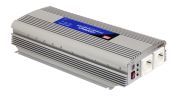
- RS PRO DC AC Inverter 230V ac Output, Railway Approved
- Inverters ICs
- RS PRO DC AC Inverter Railway Approved
- AC/DC Adapters
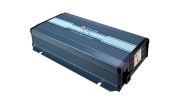
- MEAN WELL True Sine Wave Power Inverter 230V ac Output
- MEAN WELL Pure Sine Wave 400W Power Inverter 200 220 230 240V ac Output
- MEAN WELL True Sine Wave 1700W Power Inverter 230V ac Output