Moisture Meters
A moisture meter, or a dampness meter, is a portable instrument designed for measuring moisture levels in a range of building materials, including wood, concrete, brick, and plasterboard. RS Australia carries a wide range of these moisture testers, including digital options suitable for various construction materials.
To learn more about moisture meters or for advice selecting the best type for your requirements, please see our moisture meters guide.
Key Functions of Moisture Meters
Early detection of moisture or water damage is essential. Meters help in the prevention of mould growth and structural damage, both are costly to repair and can be detrimental to health and safety.
Early detection of moisture or water damage is essential. Moisture meters help mitigate risks and provide several key benefits:
- Prevent Mould Growth: Moisture meters can be used to identify hidden dampness, preventing mould growth which is detrimental to indoor air quality and occupant health.
- Avoid Structural Damage: Detecting moisture early helps prevent costly structural damage to buildings, such as rotting wood or weakening concrete foundations.
- Reduce Repair Costs: Prompt identification of moisture issues minimises the extent of damage, significantly reducing subsequent repair costs for properties and materials.
- Enhance Health and Safety: By addressing dampness, moisture meters contribute to healthier indoor environments, preventing issues linked to mould and improving overall building safety.
Types of Moisture Meters
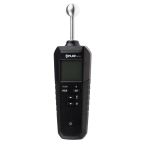
There are two main categories of moisture metres, Pin type or Pin-less type. Both are handheld and have a screen on the front to display readings. Meters are available in a digital form with a backlit LCD display or alternatively an analogue version with a needle scale.
As the meters work in slightly different ways, selecting the best one for the job at hand is dependent on the application and the environment.
Pin type
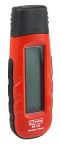
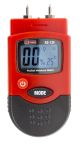
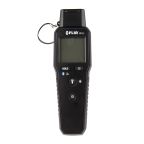
A pin-type moisture meter works by measuring the amount of electrical resistance between two points. Pin moisture meters have a pair of sharp metal pins at the top of the device. Once the metal pins are inserted into the material a small amount of electrical current is passed between the two spikes.
As water or moisture is a good conductor, the higher the moisture content the lower the resistance value. The measurement is converted into a % of MC (moisture content) within the material.
Pinless type
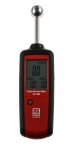
A pinless moisture meter works by detecting how waveforms are affected by the presence of moisture in a material. The non-destructive meter works best on a flat surface. Clever internal circuitry produces a signal that is sent out through a sensing area on the back of the device. The signal is emitted in the form of electromagnetic waves. The moisture content can be converted into a scalable format to provide a moisture content reading.
Wood Moisture Meters
Wood moisture meters are specialised moisture testers designed to measure moisture levels specifically in timber, furniture-grade wood, and lumber. They are essential tools in carpentry, joinery, woodworking, and flooring installation, ensuring materials are properly dried before use.
Wood moisture meters can be either resistance-based (with pins) or capacitance-based (pinless) depending on the user's preference and specific application.
Concrete & Building Material Moisture Meters
Concrete moisture meters measure moisture in a wide range of building materials, including masonry, cement screeds, concrete slabs, and bricks. They are widely used in construction for building inspections, waterproofing assessments, and critical floor laying projects. These meters often come with calibration scales specific to different substrates, ensuring accurate readings across varied construction materials.
Digital Moisture Meters & Readers
Digital moisture meters are versatile general-purpose or multi-material moisture testers featuring a clear digital display. Common features include backlit screens for easy reading in low light, memory storage for data logging, and fast readouts for quick assessments. They are suitable for cross-industry use, including HVAC, property restoration, farming, and general building services.
How to Choose the Right Moisture Meter
Selecting the correct moisture meter is vital for accurate readings and effective dampness detection. Consider these factors to find the ideal moisture tester for your needs:
- Material Type: Different moisture meters are designed for specific materials like wood, concrete, drywall, plaster, or insulation. Ensure your chosen tester provides accurate readings for the specific building materials you'll be inspecting.
- Measurement Method: Choose between pin-type and pinless moisture meters. Pin-type models are invasive but offer highly accurate readings for wood by inserting probes. Pinless (non-invasive) meters are better for quick surface readings or delicate materials, as they don't leave marks.
- Application: Match the moisture meter to your specific application, whether it's construction quality assurance, building diagnostics, or water damage restoration. Specialised dampness meters cater to unique industry needs.
- Depth of Penetration & Resolution: Consider how deep into the material the meter needs to read. Deeper penetration is useful for assessing concealed moisture, while high resolution ensures detection of subtle moisture changes.
- Display Type: Decide between digital (LCD) and analog displays. A digital moisture meter offers precise numerical readouts, often with backlighting, while analog versions provide a quick, intuitive needle scale for rapid assessment.
- Durability and IP Rating for Site Use: For job sites, durability is key. Look for a moisture meter with a robust casing and an appropriate IP (Ingress Protection) rating for resistance against dust and water ingress in challenging environments.
- Compliance with Industry Standards: Ensure the moisture meter complies with relevant industry standards like ISO or ASTM. Such compliance confirms the meter’s performance and accuracy for professional and certified applications.
Common Mistakes to Avoid When Buying Moisture Meters
Avoiding these common mistakes when buying moisture meters helps ensure you get a reliable dampness meter that provides accurate data and stands up to the demands of your work.
- Choosing the Wrong Meter Type for Your Material: Using a wood-specific moisture meter on concrete or vice versa will yield inaccurate results. Always match the meter’s intended material compatibility to your primary inspection needs to ensure valid readings.
- Not Accounting for Ambient Temperature/Humidity Correction: Environmental factors can affect readings. Failing to use a moisture meter with automatic or manual temperature and humidity compensation can lead to misleading data, compromising accuracy.
- Overlooking Calibration Settings and Meter Accuracy: Some moisture meters require specific calibration settings for different materials. Ignoring proper calibration or the meter’s accuracy specifications can lead to unreliable measurements and incorrect moisture assessments.
- Ignoring Durability Requirements for Harsh Job Sites: Purchasing a moisture tester not designed for rugged use on construction sites can result in damage from drops, dust, or water. Invest in a meter with an adequate IP rating and robust build quality for demanding environments.
- Using a Consumer-Grade Model for Industrial Tasks: Consumer-grade moisture meters may lack the precision, durability, or advanced features required for professional or industrial applications. Using an unsuitable tester can lead to costly diagnostic errors or non-compliance in critical construction or restoration projects.
Industrial Applications of Moisture Meters
Moisture meters are indispensable tools across a wide range of industrial applications in Australia, providing crucial insights into moisture levels to prevent costly damage, ensure product quality, and promote healthier environments.
- Property and Construction: Building inspectors and property professionals use a dampness meter to identify potentially hidden moisture hotspots behind plaster, drywall, or under flooring. Such early detection prevents long-term damage to structures and buildings from moisture build-up, preserving property value.
- Flooring Contractors: Flooring contractors rely on moisture meters to determine the best conditions for laying screed, concrete, or wooden floors. Measuring moisture content in materials and relative humidity in the room is important, as failure to do so can cause issues like distortion, cracking, and buckling of the finished floor.
- Furniture Makers and Woodworking: As wood naturally has varying moisture content, meters detect it in timber and lumber, ensuring the material is dry enough to work with after air or kiln drying. This prevents warping and ensures product quality.
- Water Damage Restoration: Water damage restoration professionals use moisture meters extensively to assess the extent of water intrusion in affected properties. They help locate hidden dampness in walls, ceilings, and floors, guiding drying efforts and confirming the successful remediation of moisture damage.
- HVAC and Building Services: HVAC technicians and building service professionals use moisture meters to check for condensation issues, leaks around pipes, and dampness in ductwork. Pinless moisture meters are often preferred here for non-destructive testing of insulation and inaccessible areas within air handling systems.
Your Trusted Moisture Meter Supplier & Manufacturer in Australia
When you need to buy a moisture meter for your next project, RS Australia has got your back. As a leading moisture meter supplier and manufacturer, we offer a comprehensive selection including digital moisture meters, pin-type moisture meters, pinless moisture meters, wood moisture meters, and concrete moisture meters. Products are sourced from top brands like Protimeter, RS PRO, and FLIR, ensuring reliable and accurate moisture testers.
Beyond our moisture meters, one can find a wide selection of other environmental test and measurement instruments, supporting workplace safety. These include sound level meters, gas detectors, and air quality monitors. Find out more about our nationwide doorstep delivery on our Delivery Page.
Popular Searches
Related links
- A Complete Guide to Moisture Meters
- The Essential Guide to Using Moisture Meters for Flooring Installation
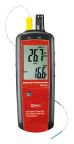
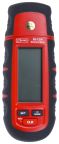
- RS PRO RS-125 Moisture Meter 6 → 44 % RH Max ±1 (Wood) % Accuracy,
- FLIR Moisture Meter Pin for Use with Moisture Meters
- Instruments Direct 224-070 Moisture Meter Analogue Display, Battery-Powered
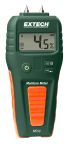
- Extech MO50 Moisture Meter, Battery-Powered
- RS PRO RS-120 Moisture Meter 6 → 44 % RH Max ±2 % Accuracy
- FLIR Moisture Meter Pin for Use with MR06 Moisture Meters MR08 Moisture Meters