- Published 10 Feb 2023
- Last Modified 19 Nov 2025
- 10 min
A Complete Guide to Moisture Meters
From identifying the different types of moisture meters to understanding how they work, our guide is here to help.

A moisture meter — also known as a moisture detector — is a crucial tool used to quantify how much water is present within a material. These devices typically feature digital screens that provide quick and accurate readings, often displayed as a percentage. The reading indicates whether a material's moisture level is within an acceptable range or if there is a high moisture reading that could lead to issues.
This measurement is vital for professionals who assess materials such as wood, concrete, drywall and paper. From identifying a moisture reading in walls to ensuring product quality across flooring, moisture meters are among some of the most essential tools electricians need for property maintenance and construction work.
Types of Moisture Meters
There are two main types of moisture meters: pin and pinless. Their fundamental difference lies in how they take a reading, which dictates their suitability for various works. While pin meters use probes to physically measure moisture within a material, pinless meters use electromagnetic sensors to scan the surface. This makes each testing equipment unique to a user's specific requirements, ensuring accurate and effective moisture assessment.
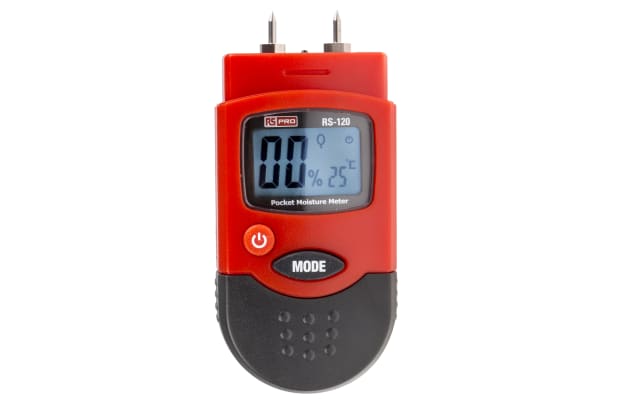
Pin-Type Moisture Meter
Pin-type moisture meters are portable devices that use 2 to 4 small steel probes to measure a material's moisture content. By inserting the probes into the material, the meter sends a small electrical current and measures the resistance. For enhanced accuracy, the probes are often connected to the meter via a shielded wire, which translates the signal directly into a moisture value. This method allows for readings with a greater range of depth compared to pinless meters, making them ideal for assessing moisture levels in materials such as plaster, plasterboard, concrete and wood.
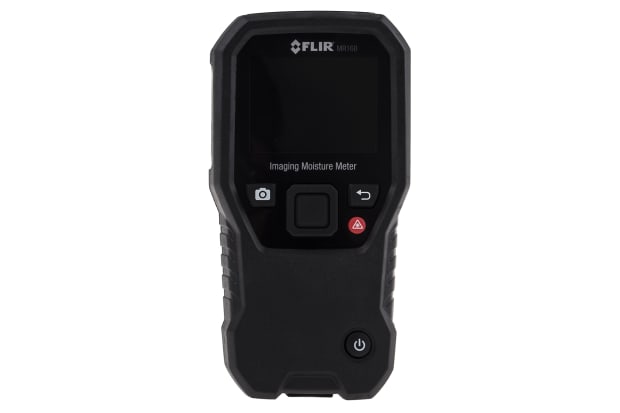
Pinless Moisture Meter
A pinless moisture meter — also known as a non-damaging meter — uses a sensor pad that transmits an electromagnetic signal on contact with a material. The device assesses fluctuations in the wave data to determine the moisture level without requiring any penetration or breakage. Different pinless models allow for the reading of moisture levels up to a depth of 0.75-1.5”, making them an ideal non-invasive solution.
What are Moisture Meters Used for?
Moisture meters are used for a wide range of applications across various materials and industries, including:
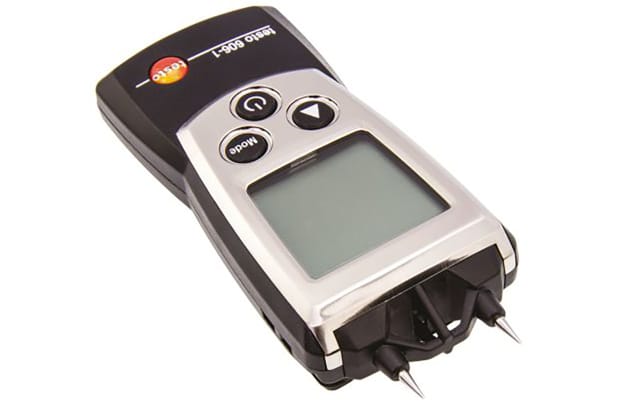
Moisture Meters for Wood
For professionals working with woods like timber, the moisture content (MC) is a critical factor. Maintaining proper moisture levels is essential to prevent issues such as warping, cracking and shrinkage, which can compromise structural integrity and the quality of finished products.
While the oven-dry test remains the laboratory standard for determining absolute moisture content, a quality moisture meter provides a fast, non-destructive way to get an accurate reading in the field. This makes them an indispensable tool for professionals in flooring installation, furniture manufacturing and general construction.
Moisture Meters for Caravans
The level of interior damp is a common concern for caravan owners due to the natural deterioration of sealant over time. In such cases, a variety of damp meters can be used to monitor moisture levels and identify the percentage of moisture content in different areas of the caravan, which is crucial for preventing extensive damage.
When taking a moisture reading, it’s important to note that environmental conditions can impact the results, with higher levels of moisture expected on wet days. For a caravan, a moisture reading of 0-15% is considered normal and gives no cause for concern. However, readings exceeding 15% indicate the need for further inspection, while levels between 25-30% indicate probable water ingress that may require remedial work.
Moisture Meters for Soil
Soil moisture meters are portable devices used by gardeners, farmers and conservation experts to identify moisture levels within soil, compost and vegetation. This information can then be used to assess the type of soil — whether moist or freely draining — or to calibrate irrigation systems, which helps create ideal conditions for growing plants and crops. However, to ensure total accuracy, it's best to take readings in a few different areas to account for local variations, and to get a more representative overview of the moisture content.
Moisture Meters for Plants
Ensuring plants have enough water is crucial, and a plant moisture meter provides a simple way to monitor soil dampness at the root level. While a variety of affordable meters are available for common houseplants, often with simple wet/moist/dry readings, it’s important to choose a device suitable for the task. For larger potted plants or for measuring soil dampness in denser mediums like hard soil or clay, a more robust meter with a long stem is essential to get an accurate reading.
Moisture Meters for Walls
Moisture meters are vital for accurately reading moisture levels within walls and floors, which is critical for detecting rising or penetrating damp. These portable devices are also used to ensure surfaces are sufficiently dry for finishing work, such as papering or tiling.
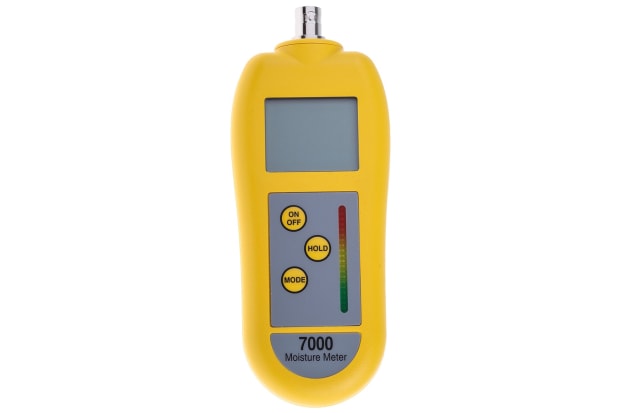
Moisture Meters for Concrete
Concrete moisture meters are vital for measuring moisture levels in a variety of building materials, including concrete slabs, floor coverings and beams. Designed for the demands of construction, many of these meters are impact-resistant and feature automatic temperature compensation to ensure accurate readings. They are also commonly used to perform quick spot checks on particular points of a concrete slab.
How Does a Moisture Meter Work?
A moisture meter works by measuring the electrical properties within a material to assess its moisture level. A pin-type moisture meter operates on a resistance principle, measuring the electricity circulating between two small probes inserted into a substance. While this method allows for effective distinction between surface and ambient conditions, the use of probes can result in material damage.
Conversely, a pinless — or non-invasive — moisture meter operates on the principle of electrical impedance. This allows for accurate readings to be taken without causing any damage to the material. Readings on both types of meters are typically shown on analogue or digital displays, with many featuring colour indicators — green for dryness, yellow for moderate moisture and red to denote high levels of moisture.
How to Use a Moisture Meter
For accurate readings, a moisture meter should be calibrated before each use, often with a purpose-made block or kit. Once calibrated, how you use the meter will depend on its specific type.
Here’s how to use a pin-type moisture meter:
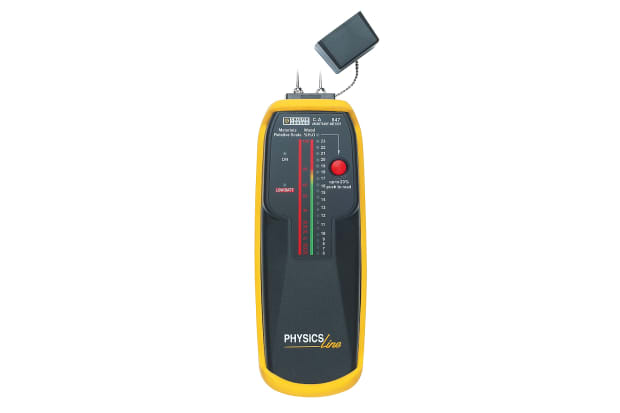
- Step One: Calibrate the Moisture Meter — Prepare for the task by choosing the moisture meter setting specific to the type of material you will be measuring.
- Step Two: Position the Moisture Meter — Position the moisture meter so that the pins are perpendicular to the substrate surface, then push them straight into the material as far as possible.
- Step Three: Take the Reading — Take a record of the reading, indicating whether the measurement is a percentage or reference.
- Step Four: Repeat the Process — Take readings in different areas of the material, ideally focusing on high-risk areas that are prone to moisture accumulation.
Conversely, here’s how to use a pinless moisture meter:
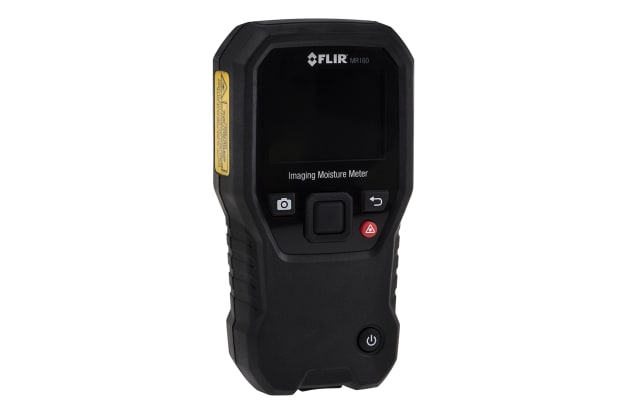
- Step One: Prepare the Surface — Wipe away any residue or standing water from the surface.
- Step Two: Apply the Meter — Press the meter against the surface and wait for the reading to stabilise.
- Step Three: Take a Record — Take a record of the moisture content and percentage value reading.
- Step Four: Repeat the Process — Take additional readings by moving the meter to different areas of the material, to get a more complete picture of the overall moisture content.
How to Read a Moisture Meter
Reading a moisture meter correctly is crucial for accurate diagnostics and material quality control. While these devices provide quick readings, understanding the different scales and potential sources of error is key to interpreting the data effectively:
Understanding Scales
A moisture meter will typically provide readings on one of two main scales:
- Moisture Content: This scale provides a direct, quantifiable reading of the material's moisture, calculated as the weight of water relative to the dry weight of the material. It's the most common scale and offers a precise value for comparison against industry standards.
- Relative Scale: A relative scale provides a reading on an arbitrary scale (e.g., 0-100), which doesn't indicate a true percentage. It's most useful for comparative analysis, helping you to identify variations in moisture levels across different areas of a material.
Common Reading Errors
Even with a high-quality meter, various factors can lead to an incorrect reading. Be aware of these common issues:
- Temperature: Extreme temperatures can impact the electrical properties a meter measures, leading to inaccurate readings. For the most reliable results, allow the meter to acclimate to the material's temperature, or use a meter with automatic temperature compensation.
- Surface Contamination: For pinless meters, dirt, dust and other surface debris can interfere with the electromagnetic signal. Similarly, for pin-type meters, contaminants can prevent proper contact. Always ensure the material’s surface is clean before taking a reading.
- Uneven Moisture Distribution: Moisture is rarely uniform, especially when there's a localised source of dampness. Taking only a single reading can be misleading, so always take multiple readings in various spots to get a comprehensive overview of the material's moisture profile.
Moisture Levels in Walls
In Australia, acceptable moisture levels for common wall materials typically range from 5% to 12%. Anything consistently above this range may indicate a potential dampness problem that requires further investigation to prevent long-term damage. Here are the acceptable ranges for common wall materials:
- Timber/Wood: 6-12%
- Plaster/Drywall: Below 10%
- Concrete/Brick: 5-12%
Several factors can affect wall moisture, particularly in the Australian climate. These include:
- External Factors: High humidity and heavy rainfall are a common cause of wall moisture issues, as these environmental factors can saturate a building's exterior and lead to a high reading.
- Internal Issues: Internal issues, such as a leaking roof, plumbing problems or poor drainage, are often the root cause of persistent moisture problems as they can lead to moisture buildup within wall cavities.
If a moisture reading is consistently high, it's critical to conduct a thorough investigation to pinpoint the exact source of the moisture. Professionals can use a combination of diagnostic tools, such as both pin and pinless meters, to trace the water's path from the point of ingress. Once the leak or water ingress has been located, immediate remediation is required to prevent progressive damage, structural compromise and the growth of mold.
Moisture Meter Brands
RS Australia offers high-quality moisture meters from leading brands for various applications, such as:
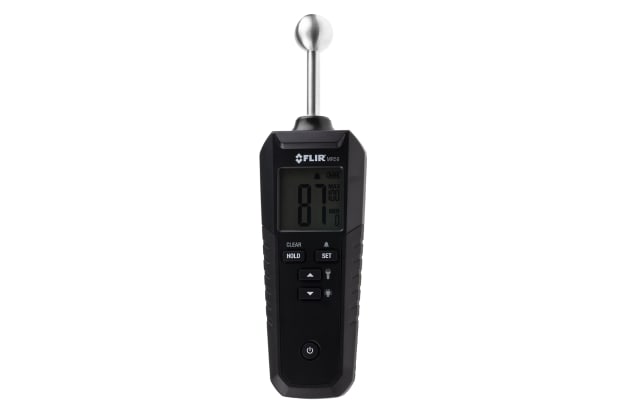
FLIR
Explore a wide range of advanced moisture meters from FLIR, including thermal imaging pinless models to versatile pin-type testers, for accurate and efficient diagnostics and quality control.
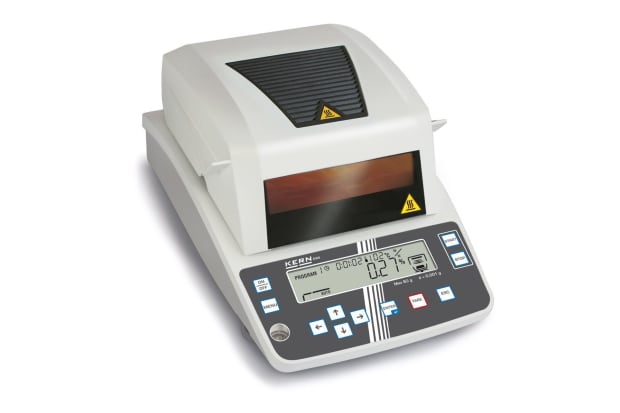
Kern
Discover moisture analysers from Kern, engineered with precision balances for fast, accurate moisture determination in laboratory applications, from food to pharmaceuticals.
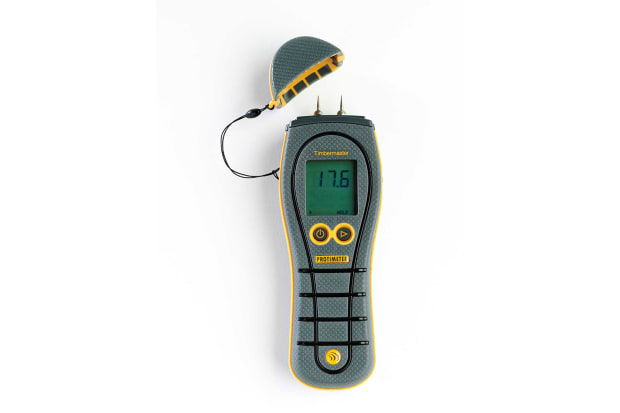
Protimeter
Protimeter's moisture meters are the industry standard for building surveying, offering both dual pin and non-invasive options. Many models also feature a high IP rating, ensuring reliable diagnostics in demanding worksite conditions.
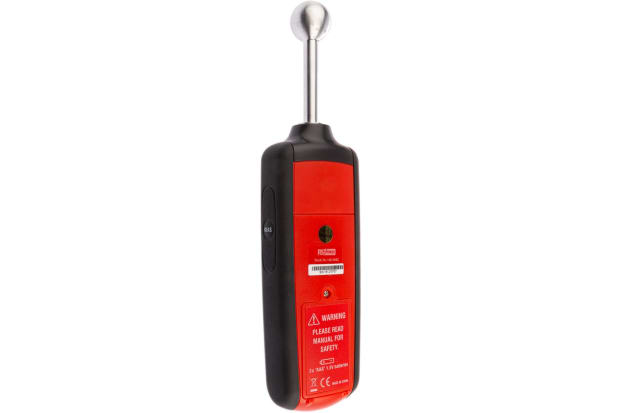
RS PRO
RS PRO is our own in-house range, offering an extensive selection of moisture meters to suit your requirements.
Frequently Asked Questions About Moisture Meters
Popular Products
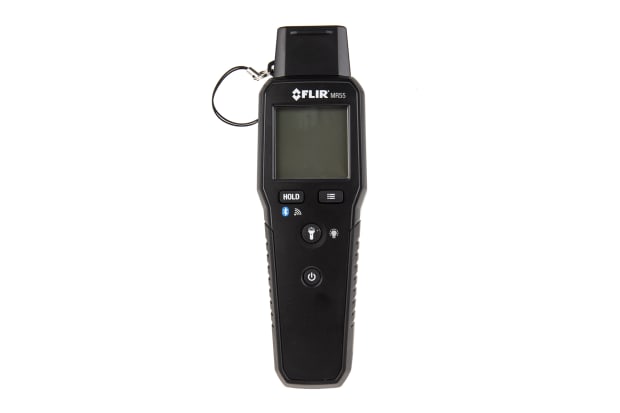
For Use in Buildings
Ideal for detecting moisture levels in building materials, our range includes moisture meters from leading brands such as FLIR and Kern.
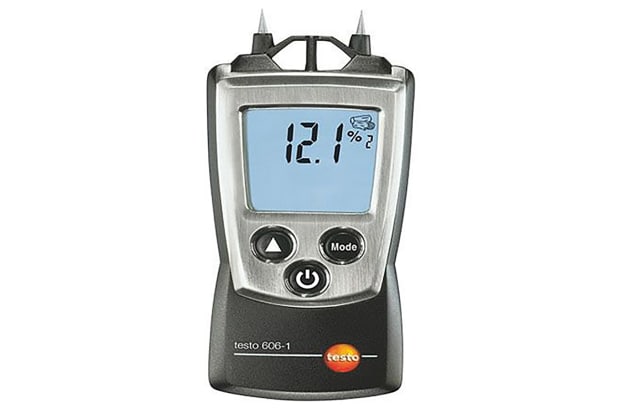
For Use with Plaster
Explore our range of moisture meters used for assessing moisture levels in plaster, ensuring surfaces are dry for finishes like paint and wallpaper.

Related Accessories
RS Australia offers a wide range of moisture meter accessories including replacement pins, probes, leads, protective cases and more. Our comprehensive catalogue also includes related products such as coaxial cables and multimeters.
Related links
- Moisture Meters
- The Essential Guide to Using Moisture Meters for Flooring Installation
- Stanley Humidity Meter 0.02 % Accuracy Battery-Powered
- RS PRO RS-125 Moisture Meter 6 → 44 % RH Max ±1 (Wood) % Accuracy,
- FLIR Moisture Meter Pin for Use with Moisture Meters
- Instruments Direct 224-070 Moisture Meter Analogue Display, Battery-Powered
- Extech MO50 Moisture Meter, Battery-Powered
- Protimeter BLD3050 Moisture Meter AC Adapter-Powered