- Published 17 Feb 2023
- Last Modified 20 Nov 2025
- 13 min
Fluorescent Tube Buying Guide: Choosing the Right Size for Australia
Explore our fluorescent tube buying guide to learn more about the best brands and the types and sizes available in Australia.

What is a Fluorescent Tube?
The fluorescent tube, also referred to as the fluorescent strip or tube light, is a low-pressure mercury vapour gas-discharge tube that converts fluorescence into visible light. This process involves the triggering of mercury vapour via an electric charge, resulting in the appearance of a short-wave ultraviolet light. This then causes the phosphor coating inside the tube to glow.
Fluorescent tubes have the advantage of benefitting from much greater energy efficiency than incandescent lamps. They’re a relatively inexpensive form of lighting and have a relatively long life (although not as long as LEDs). Fluorescent tubes are used for a wide range of domestic and commercial applications.
Additional reasons for the use of fluorescent tubes include:
- High levels of light distribution and even diffusion
- Relatively low running costs
- Production of various colours, including white, red, and blue
Different Types of Fluorescent Tubes
A number of different types of fluorescent tube have been produced since they were first introduced and patented as a commercial product in 1939. These tubes vary in terms of shape, power, rating, length, colour, and other illuminating characteristics, including the specific wire parts and components used in their construction. It’s important to take care over the choice of fluorescent tubing, considering the design of your interior space and the lighting purposes.
Here are a few common ones:
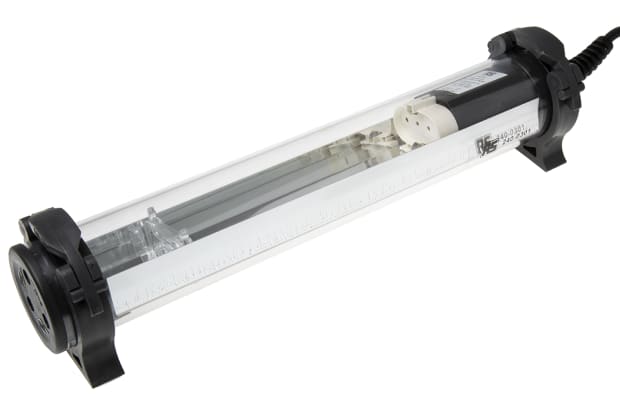
T2 Fluorescent Tubes
The bulbs featured within these miniature tubes have a diameter of 7mm (0.275 inches). They allow for quick connection and feature an axial base suitable for applications, including the lighting of display cases, under cabinets, and display backlights.
The T2 fluorescent tubes have a greater lifespan than that of the T5 alternatives. However, you must ensure that they’re attached to electronic ballasts purpose-made for T2 fluorescent lamps.
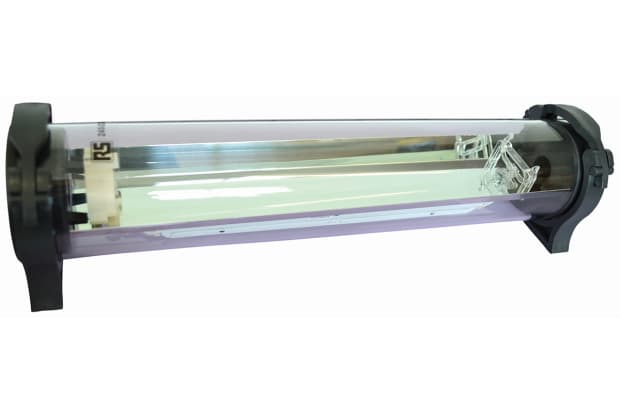
T4 Fluorescent Tubes
T4 fluorescent tubes have a particularly slim-fitting design and the small size of these fluorescent tubes allows for easy installation. They’re commonly used for kitchen display and work-surface lighting. Such tubes emit a cool white colour, making them suitable for a broad range of applications.
T4 tubes offer high levels of energy efficiency and are an excellent budget option. They have an expected lifespan of around 10,000 hours.

T5 Fluorescent Tubes
T5 fluorescent tubes are suitable for lighting offices, schools, supermarkets, and other similar environments. They’re an excellent cost-saving option, particularly given their expected lifespan of up to 30,000 hours. T5 tubes also feature an eco-friendly coating on the inside of the glass, effectively preventing the phosphors from absorbing mercury.
The design of these elongated tubes has been based on multiples of the 300mm (11.8 inches) ‘metric foot’, rather than the 305mm (12 inches) imperial foot. The ballas ting of these fluorescent tubes prevents overloading and allows for the integration of features, such as the instant, rapid, and programmed start.
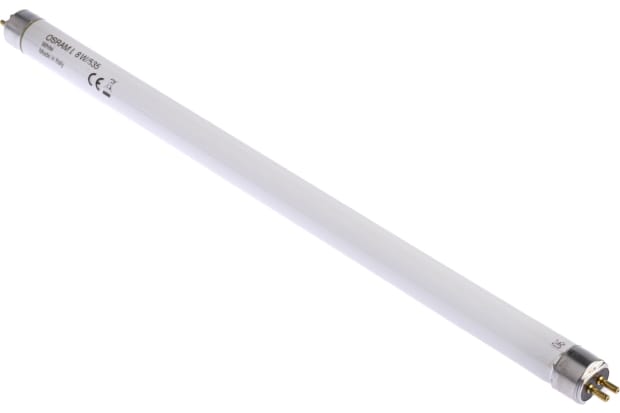
T8 Fluorescent Tubes
These fluorescent tubes are used for a wide range of domestic and commercial purposes, primarily because of the high levels of light emission. Such tubes have outstanding colour rendering capabilities and offer excellent levels of energy efficiency. The light given off by T8 fluorescent tubes has also proven to be effective in the prevention and treatment of seasonal affective disorder (SAD).
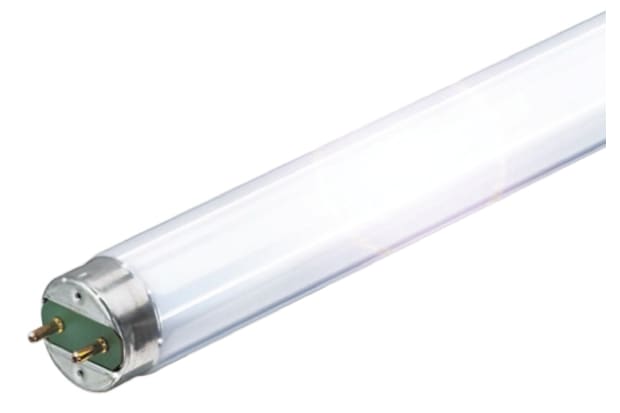
T12 Fluorescent Tubes
The production of T12 fluorescent tubes ceased in 2012. These tubes have measurements of 38mm (1.49 inches) in diameter and have distinct wattages when compared with alternative types of fluorescent tubing. The Environmental Protection Agency (EPA) has advised the retrofitting of T12 fixtures for alternatives that don’t use as much mercury or fossil-based fuel. You may choose the option of replacing T12 fluorescent tubes with T8 LEDs due to the comparative generation of light and reduction of energy.
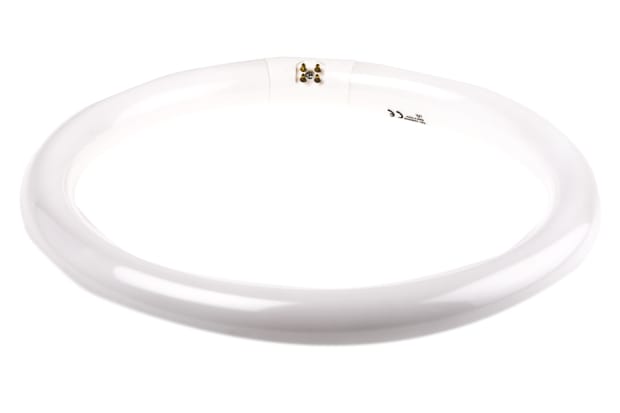
Circular Fluorescent Tubes
Available in T5 (15mm diameter), T6 (20mm diameter), and T9 (29mm diameter) formats, circular fluorescent tubes are commonly used by lighting designers in the creation of well-lit interior spaces. These fluorescent tubes offer high levels of energy efficiency and have a slimline design, making them the ideal option for ceiling lighting. Round fluorescent lamps are only compatible with existing circular fluorescent tube fixtures.
What Can Fluorescent Tubes Be Used for?
Fluorescent tubes and lamps are available in a variety of shapes and sizes. In fact, the compact fluorescent lamp has gained considerable popularity in recent times. It’s quite common for the auxiliary electronics to be integrated within the base of the lamp, allowing for compatibility with the common light bulb socket.
Fluorescent tubing may be installed for lighting the following places:
- Residential rooms
- Storage areas
- Commercial office spaces
- Parking garages
- Retail stores
How to Choose the Right Fluorescent Tube

Choosing the right fluorescent tube can result in significant financial savings and better illumination. These lights offer low running costs and a long lifespan, while providing a higher level of brightness than traditional incandescent bulbs. To ensure you make the best choice for your needs, consider key factors such as the tube's diameter, length, and colour rendering.
Fluorescent tubing can provide the following colour variations:
Fluorescent Tube Choices by Wattage
The wattage of a fluorescent tube is directly related to its light output and is typically indicated by a number following the letter 'F' on the tube itself. For example, a tube labeled F24T8 has a wattage of 24. While wattage dictates the power consumption, the efficacy—measured in lumens per watt—determines the actual light output. This can vary significantly, ranging from approximately 16 lumens per watt for a small tube with a standard ballast to over 100 lumens per watt for a modern tube with an electronic ballast.
When selecting a tube, it’s important to match the wattage to the required level of illumination for your specific application.
Fluorescent Tube Choices by Size
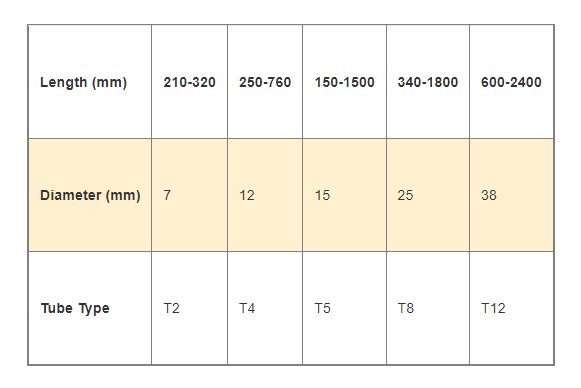
The size of a fluorescent tube is a critical factor in determining its compatibility with a fixture, and it's measured in eighths of an inch. As for how to measure, take a look at their size code. The letter 'T' stands for "tubular," and the number that follows indicates the tube’s diameter in eighth-inch increments. For example, a T8 tube is 8/8ths of an inch (or 1 inch) in diameter. The wattage level of the tube is directly dependent on its length and diameter.
Fluorescent tube standard sizes range from T2 to T17. While the largest of these, the T12 (which measures 1.5 inches in diameter), is no longer in production, its legacy is important for replacement purposes. Because the T12 tube featured the same G13 cap as the more efficient T8 tube, it’s possible to replace an old T12 with a modern T8 fluorescent bulb of the same length. This offers a simple and effective way to upgrade a lighting fixture to a more energy-efficient solution without having to replace the entire fixture.
The comparative sizes of fluorescent tubes are highlighted in this table:
Circular Fluorescent Light Sizes
Circular, or round, fluorescent lights are specifically designed to provide even, uniform illumination in compact fixtures. These lamps are a popular choice for their ability to deliver a 360° light distribution, which is ideal for smaller, enclosed spaces like kitchens, bathrooms, and integrated ceiling fittings. Their unique shape makes them an excellent space-saving alternative to longer linear tubes.
To understand how to measure for a replacement, the size is determined by the overall diameter of the circular tube. In Australia, you'll commonly find them in a few standard sizes and lengths to fit various fixtures:
- 225mm (22 W): These are smaller lamps, often used in compact fittings or under-cabinet lighting.
- 300mm (32 W): The most common size, these are standard for many ceiling fixtures in residential and commercial settings.
- 400mm (40 W): These larger lamps are designed for more expansive round fixtures where a broader and brighter light output is needed.
Compared to linear tubes, circular fluorescent lights are more compact and offer a uniform, shadow-free 360° light distribution, making them a practical choice when space is a concern.
Compare Fluorescent Tubes
It may be a challenge to identify the type of fluorescent tubing that best suits your need. However, factors such as the type of socket, diameter, wattage, length, colour coding, and ballasting should all have a bearing on your buying decision, as should the following:
Type of Fluorescent Tube
Fluorescent tubes come in various sizes. Here's a breakdown of common types:
- T2 Tubes: These are modern, slim-line tubes featuring a W4.3 fitting with a 4.3 mm wide push connection.
- T4 Tubes: Best suited for under-cabinet lighting, these tubes use a G5 fitting, where the two pins are separated by 5 mm.
- T8 and T12 Tubes: The standard T8 tube has a G13 fitting with pins separated by 13 mm. Older, discontinued T12 tubes shared this same G13 cap, which means they can be easily replaced with the more energy-efficient T8 tubes of the same length, providing a straightforward upgrade.
Wattage of Fluorescent Tube
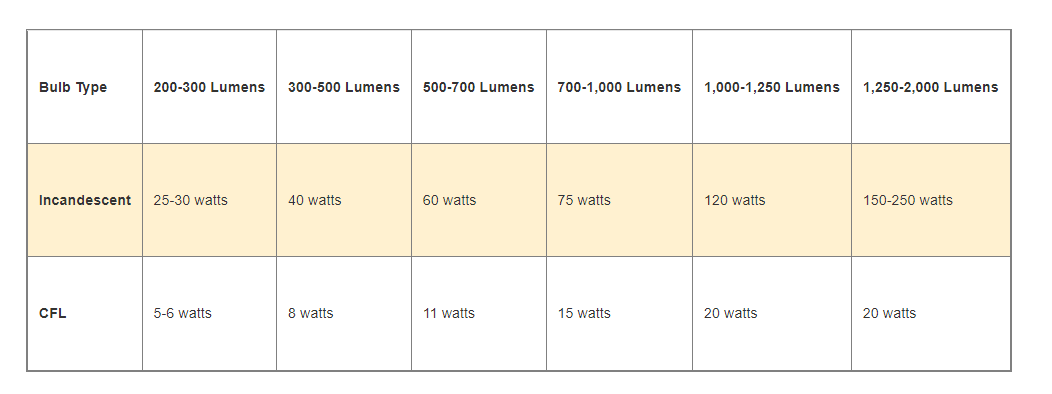
Lumens measure the total amount of light a source emits, while watts refer to the amount of energy it consumes. As a light source becomes more energy-efficient, it can produce the same number of lumens while using a lower wattage.
The following table indicates the number of lumens that are generated at different wattages:
Length of Fluorescent Tube
The length of a fluorescent tube is measured by the total distance between the two pins at each end. While the length can vary, it’s commonly associated with the tube's wattage. Here are the typical lengths for different fluorescent tube types:
- T2 Tubes: These are the smallest fluorescent tubes, with lengths ranging from 250mm to 760mm.
- T4 Tubes: T4 tubes are available in a total length of anywhere between 150mm and 1,500mm.
- T5 Tubes: T5 tubes typically have a length of between 340mm and 1,800mm.
- T8 Tubes: The length of a T8 tube can be anywhere from 600mm up to 2,400mm, making them suitable for a wide range of applications.
Typical Applications of Fluorescent Tubes
Fluorescent tubing is a versatile lighting solution used in industrial, commercial, and residential buildings. These lights are known for generating a shadow-free form of illumination, creating a uniform glow in any space. While the T8 fluorescent tube is most commonly used for commercial and industrial purposes, other types of tubing are ideal for lighting cabinets, beams, and coves in residential properties.
Fluorescent Tube Brands
When selecting fluorescent tubes, choosing a reputable brand is as important as choosing the right size or wattage. The brand you choose can directly impact the tube’s performance, longevity, and overall energy efficiency.
Here are a few brands you can consider:
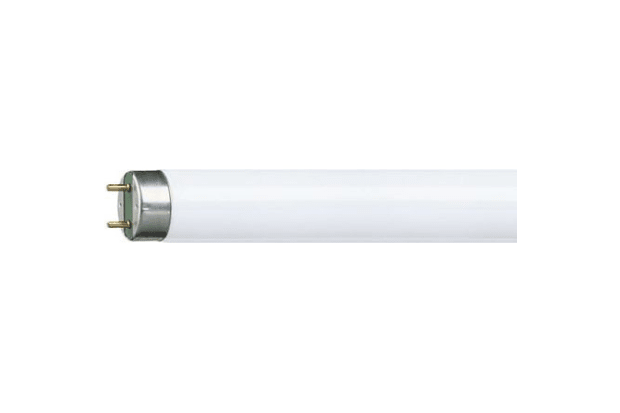
Philips Lighting Fluorescent Tubes
Main Benefits :
- Extended life expectancy of up to 20,000 hours
- Shatter-resistant versions available
Suitable Applications :
- Schools, offices, shops, and factories
Osram Fluorescent Tubes
Main Benefits :
- Advantages of a well-known brand
- Products available worldwide
Suitable Applications :
- Both domestic and commercial lighting
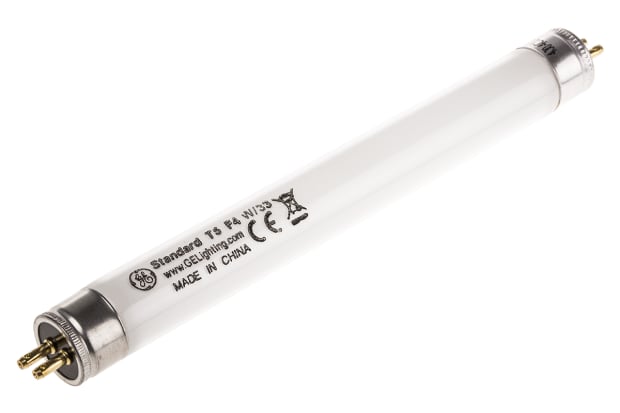
GE Fluorescent Tubes
Main Benefits :
- Excellent colour quality
- Longer lifespan and lower mercury outputs
Suitable Applications :
- Domestic use, signage, industrial applications
How to Fit a Fluorescent Tube Safely
When fitting a fluorescent tube, safety is the top priority. Always take considerable care to avoid electrical hazards. Here’s a step-by-step guide to fitting a new tube safely:
- Turn Off the Power: Before you begin, turn off the power to the light fitting at the miniature circuit breaker. This prevents any contact with live circuits and earthed elements, ensuring your safety.
- Remove the Casing: Carefully unclip or unscrew the casing that protects the tube. Once removed, place it in a safe and secure area to avoid damage.
- Remove the Old Tube: Gently twist the old tube 90 degrees in its fitting. This action releases the pins from the socket, allowing you to safely lower the tube and remove it.
- Install the New Tube: Align the short metal prongs of the new tube with the corresponding holes in the light fitting. Gently push the tube into place and twist it 90 degrees until it locks securely.
- Replace the Casing: Once the new tube is installed and secure, reattach the casing and restore power to the circuit.
FAQs About Fluorescent Tubes
Popular Products
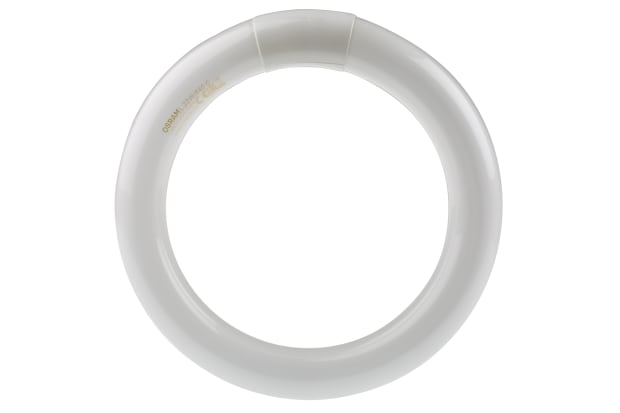
Circular Tubes
Circular fluorescent tubes offer an attractive and efficient source of light. Browse our range now.

Fluorescent Tubes
Browse our extensive range of fluorescent tubes online and choose the ideal product for your requirements.
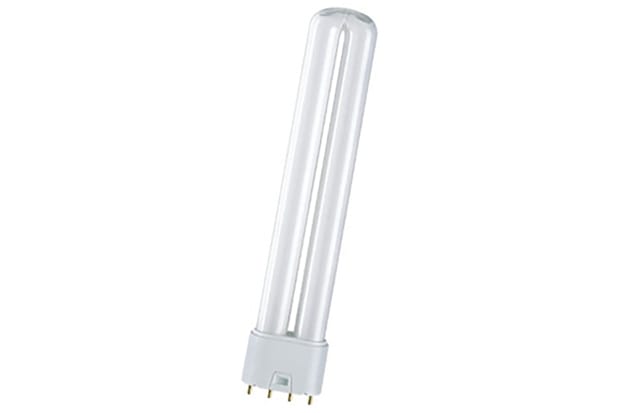
Non-Integrated CFLs
See our variety of non-integrated compact fluorescent lamps and select the best fit for your needs.
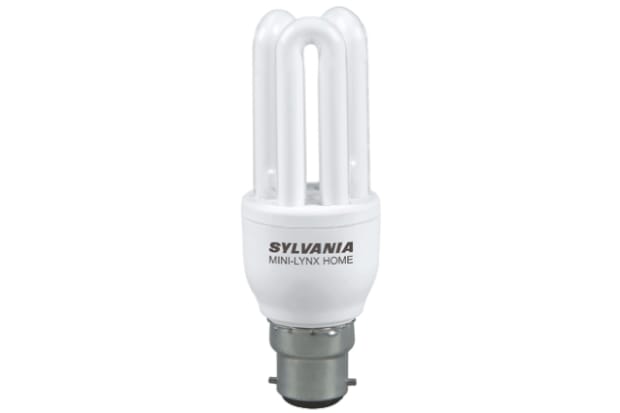
CFL Bulbs
With a variety of different sizes and shapes available, explore our range of CFL bulbs from leading brands.