Buffer Solutions
A pH buffer solution is a chemical mixture designed to resist significant changes in pH levels when a strong acid or base is added. Buffer solutions maintain the pH at a constant level due to an equilibrium balance within the solution. These solutions, often used as a pH calibration solution, find application in various fields, such as maintaining stable conditions like the blood in the human body.
How Buffer Solution Works
A buffer solution achieves its stability by typically comprising a weak acid and its conjugate base, or a weak base and its conjugate acid. When an external acid is introduced, the conjugate base in the buffer solution reacts with it, neutralising the added acid.
Conversely, if a strong base is added, the weak acid component reacts to neutralise the base. Such an equilibrium-driven process allows the pH buffer solution to absorb changes, keeping the pH constant. The chemical components work together as a standard solution to maintain the desired pH standard.
Why Use A Buffer Solution?
Buffer solutions are essential across numerous scientific and industrial applications for their ability to maintain stable pH environments. They provide reliability where pH fluctuations can compromise processes or outcomes.
- Precision in Chemical Analysis: Many chemical reactions and analytical procedures require a constant pH for accurate results. Using a pH buffer ensures the reaction conditions remain stable, allowing for reliable measurements and preventing unintended side reactions.
- Equipment Calibration: pH buffer solutions are fundamental for calibrating pH meters and electrodes. Regularly calibrating with a known standard buffer ensures the accuracy of your measurements, providing confidence in your instrument readings. Users rely on a calibration buffer to set the baseline for their pH instruments.
- Biological and Pharmaceutical Applications: In biological systems, maintaining a stable pH is critical for enzyme activity, cell culture growth, and drug stability. Buffer solutions mimic these conditions, ensuring the integrity of sensitive biological processes and products like personal hygiene items.
- Industrial Processes: Numerous industrial processes, including fermentation, water treatment, and textile dyeing, demand precise pH control. Buffer solutions help maintain optimal conditions, preventing product degradation and ensuring consistent process efficiency and quality.
Types of pH Buffer Solutions
pH buffer solutions come in distinct types, each designed to maintain pH standards within specific ranges.
Acid Buffers
Acid buffer solutions are used when the pH needs to be less than seven, creating an acidic environment. They generally comprise a weak acid and its conjugate base. These standard solutions are vital in chemical analysis and biological studies where precise acidic conditions are necessary.
Alkaline Buffers
Alkaline buffer solutions are used when the pH needs to be over seven, maintaining an alkaline environment. They typically comprise a weak base and its conjugate acid. These standard solutions are essential in applications like wastewater treatment or manufacturing processes where stable alkaline conditions are required.
Industrial Applications of pH Buffers
Buffer solutions are crucial across countless industrial sectors in Australia, ensuring stable pH environments for quality control and process integrity.
- Chemical Analysis: Many chemical reactions and analytical procedures require a constant pH for accurate results. pH buffers ensure stable reaction conditions, allowing for reliable measurements and preventing unintended side reactions in various industrial chemical processes.
- Equipment Calibration: pH buffer solutions are fundamental for calibrating pH meters and electrodes. Regularly calibrating with a known standard buffer ensures the accuracy of your measurements, providing confidence in your instrument readings for industrial monitoring.
- Biotechnology & Pharmaceuticals: In these industries, maintaining a stable pH is critical for enzyme activity, cell culture growth, and drug stability. Buffer solutions mimic these precise biological conditions, ensuring the integrity of sensitive processes and product quality.
- Food & Beverage Production: pH buffers are used to control acidity in food and beverage products, influencing taste, shelf-life, and safety. For example, they maintain consistency in dairy products, fermented foods, and soft drinks.
- Water & Wastewater Treatment: Precise pH control is vital in water treatment to ensure effective disinfection and coagulation, and in wastewater treatment to optimise microbial activity for pollutant breakdown. Buffer solutions help maintain these critical pH standards. Accurate pH monitoring, enabled by these buffer solutions, can indirectly help detect water damage indicators, such as corrosion due to acidic water, in infrastructure.
- Agriculture & Hydroponics: In agriculture, especially hydroponics, pH buffers maintain optimal pH levels in nutrient solutions, ensuring plants can efficiently absorb nutrients for healthy growth and maximum yield.
- Textile & Dyeing Industries: The dyeing process requires very specific pH conditions for consistent colour uptake and quality. Buffer solutions help maintain these exact pH levels, preventing colour variations and ensuring dye stability.
How to Choose the Right pH Calibration Solution
Selecting the correct pH calibration solution is fundamental for ensuring accurate and reliable readings from your pH meter. Incorrect calibration can lead to significant errors in your measurements.
- Required pH Values: Match the pH standard values of your calibration buffer to the range you typically measure. Common standard buffers include pH 4.01, 7.00, and 10.00 for a wide range of applications.
- Accuracy and Certification: Look for pH calibration solutions that are certified or come with a certificate of analysis, indicating their calibrated accuracy. These standard solutions ensure traceability to international standards for reliable results.
- Temperature Dependence: Be aware that the pH of a buffer solution can vary slightly with temperature. Choose a pH buffer solution that provides temperature compensation charts, or use a pH meter with automatic temperature compensation.
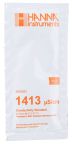
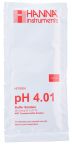
- Volume and Packaging: Select the appropriate volume and packaging for your usage frequency. Single-use sachets minimise contamination and provide fresh solution for each calibration, while larger bottles are suitable for frequent use.
- Expiry Date: Always check and adhere to the expiry date of the pH buffer solution. Using expired or contaminated calibration buffers can lead to inaccurate meter calibration and unreliable measurements.
- Traceability: For laboratories requiring stringent quality control, ensure your pH calibration solution is traceable to national or international standards. Such a feature provides confidence in the accuracy of your pH measurements.
How to Store pH Buffer Solutions
Proper storage practices are essential for maintaining the accuracy and shelf life of your pH buffer solutions. Incorrect storage can compromise their effectiveness and lead to inaccurate pH measurements.
- Temperature Control: Store pH buffer solutions at a cool, stable room temperature, typically between 20-25°C. Avoid extreme temperatures, as heat or freezing can alter the pH value and chemical stability of the buffer solution.
- Protection from Light: Keep buffer solutions away from direct sunlight and strong artificial light. UV exposure can degrade some chemical components within the pH buffer solution, affecting its accuracy over time.
- Tight Sealing: Always ensure bottle caps are tightly sealed after use to prevent evaporation and contamination. Evaporation can alter the concentration of the pH buffer, leading to inaccurate pH standards.
- Prevent Contamination: Never return used buffer solution to the original bottle, as it can introduce contaminants and alter the pH. Always pour out only the amount needed for calibration or use, and dispose of any excess.
- Adhere to Expiry Dates: Pay close attention to the expiry dates printed on the pH calibration solution bottles. Even if stored correctly, the chemical stability of the calibration buffer can degrade over time, affecting accuracy.
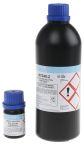
- Original Container: Store buffer solutions in their original, opaque containers whenever possible. These containers are specifically designed to protect the solution from light and air exposure, preserving its integrity and calibrated accuracy.
Your Leading Supplier and Distributor of pH Buffer Solutions in Australia
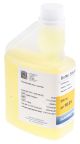
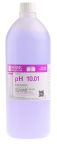
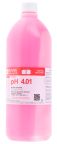
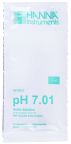
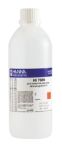
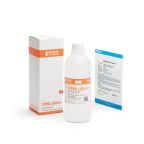
RS is your trusted partner for high-quality buffer solutions. We provide a comprehensive portfolio from world-leading manufacturers like Hanna Instruments and Burkert. Our extensive stock includes various pH buffer solutions, pH calibration solutions, and standard buffers, guaranteeing you can source the ideal pH standard for your precise measurement needs.
We also offer a wide catalogue of environmental test and measurement instruments for monitoring acidity and alkalinity. Explore our range including pH probes, pH meters, and pH test strips, where you can easily buy your buffer solutions and other essential lab components online. For comprehensive information on our ordering options, shipping services, and any applicable delivery charges, please visit our delivery page.
20 Products showing for Buffer Solutions




Related links
- Hanna Instruments HI70007P pH Buffer Solution 7.01
- Hanna Instruments HI-7007/1L pH Buffer Solution 7.01
- Burkert 418540 pH Buffer Solution 4.01
- Burkert 418541 pH Buffer Solution 7
- Burkert 418543 pH Buffer Solution 10.01
- Hanna Instruments HI70004P pH Buffer Solution 4.01
- Hanna Instruments HI7009L pH Buffer Solution 9.18
- Hanna Instruments HI-70010P pH Buffer Solution 10.01