Air Reservoirs
An air reservoir, also known as a compressed air tank, air receiver tank, or air storage vessel, is a container designed to store compressed air for use in pneumatic systems. It is used where the flow of air within the system needs to be controlled and to compensate for pressure fluctuations that occur. Air reservoirs are available in a wide range of volume sizes, from small portable tanks to large industrial-grade units, to suit different applications.
How Does an Air Reservoir Work?
Air reservoirs are used to compensate for pressure fluctuations within a pneumatic system. Air is let into the reservoir from a flow valve and stored there until it is released at a pre-determined point.
What are Air Reservoirs Used For?
Air reservoirs are an essential component in pneumatic systems, as they help maintain consistent air flow and system stability by compensating for pressure fluctuations. Air is released from the reservoir, for example, to balance sudden changes in pressure within the system. They can also be used in the following scenarios:
- As an air accumulator if pressure suddenly drops
- Generating long time delays in connection with time delay and flow control valves
- Generating a controlled system with a first-order delay
- To generate static pressure using a one-way flow control valve
If you want to protect downstream equipment from pressure fluctuations or increase the power of an existing actuator, you can use a combination pressure regulator.
Types of Compressed Air Tanks
Compressed air tanks, also known as air receivers or compressed air storage tanks, come in various designs to suit different applications. Below are the primary types:
Vertical Air Receiver Tanks
Vertical air tanks are cylindrical vessels designed to stand upright. Their compact footprint makes them ideal for installations with limited floor space. These tanks are commonly used in residential or small commercial settings where space efficiency is crucial.
Horizontal Air Receiver Tanks
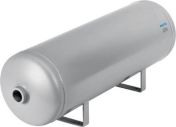
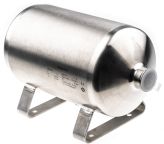
Horizontal tanks are designed to lie flat, offering a stable base and often larger storage capacity. They are suitable for industrial applications where floor space is less constrained, and higher volumes of compressed air are required.
Wet Air Receiver Tanks
Wet air receiver tanks store untreated compressed air directly from the compressor. They are typically installed between the compressor and the air dryer, playing a key role in improving the dryer's performance by helping to remove moisture before the air enters the system.
Dry Air Receiver Tanks
Dry air receiver tanks store treated compressed air that has passed through an air dryer. Positioned after the dryer, they maintain the integrity and quality of the dried air, ensuring consistent system performance and reliability.
Stainless Steel Air Receiver Tanks
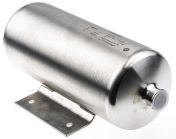
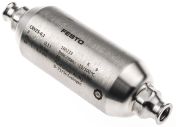
Stainless steel tanks are known for their durability and resistance to corrosion. They are ideal for applications requiring a high level of purity, such as the dairy, food and beverage, and chemical industries.
Galvanized Air Receiver Tanks
Galvanized tanks are coated with a layer of zinc to prevent corrosion. This makes them suitable for outdoor or harsh environments where exposure to moisture is prevalent.
Custom-Built Air Receiver Tanks
Custom-built tanks are tailored to meet specific operational needs, such as unique sizes, materials, or finishes. They are designed for specialized applications that standard tanks cannot accommodate.
Industrial Applications of Air Receiver Tank
Air receiver tanks are integral not only in residential setups but also across various industries, ensuring efficient and stable compressed air systems.
- Manufacturing & Assembly Lines: In manufacturing, air receiver tanks act as an accumulator, storing compressed air to meet peak demands, ensuring consistent pressure for pneumatic tools and machinery. This reduces compressor load and minimizes energy consumption.
- Automotive & Tire Services: In automotive workshops, air receiver tanks supply compressed air for tire changers, spray booths, and other pneumatic equipment, enhancing efficiency and reducing compressor cycling.
- Food & Beverage Processing: In the food industry, air receiver tanks provide clean, dry compressed air for packaging, bottling, and processing, adhering to stringent hygiene standards.
- Pharmaceuticals & Laboratories: In pharmaceutical settings, air receiver tanks ensure a steady supply of clean compressed air for equipment like tablet presses and filling machines, maintaining product quality.
- HVAC Systems: In HVAC systems, air receiver tanks regulate pressure in cooling towers and chillers, optimizing energy use and delivering consistent airflow for commercial buildings.
- Construction & Heavy Machinery: In construction, air receiver tanks supply compressed air for tools and machinery, ensuring consistent performance and reducing the risk of pressure drops during operations.
- Mining & Oil & Gas: In mining and oil & gas industries, air receiver tanks store compressed air for drilling, ventilation, and other pneumatic operations, ensuring safety and efficiency in challenging environments.
How to Choose the Right Air Reservoir Tank?
Selecting the appropriate air reservoir tank is crucial for optimizing your compressed air system's efficiency and reliability. Consider the following factors:
Determine Air Demand and Compressor Output
- Identify the maximum cubic feet per minute (CFM) your system requires.
- Ensure your compressor's CFM output aligns with the system's needs.
Calculate Tank Size
- Allocate 3 to 5 gallons of tank capacity per CFM of compressor output. For example, for a 100 CFM compressor, a tank size between 300 and 500 gallons is recommended.
Consider Duty Cycle
- For compressors running continuously, a larger tank is beneficial to maintain consistent pressure.
- Smaller tanks may suffice for applications with sporadic air demand.
Select Appropriate Pressure Rating
- Choose a tank with a pressure rating higher than your compressor's maximum output to ensure safety.
- Common ratings include 125 psig for fixed-speed compressors and up to 200 psig for variable-speed compressors.
Choose Tank Material
- Steel tanks are durable and cost-effective; suitable for most applications.
- Stainless steel tanks are resistant to corrosion; ideal for industries requiring high purity.
- Composite tanks are lightweight and resistant to corrosion; used in specialized applications.
Evaluate System Configuration
- Determine if the tank will store untreated (wet) or treated (dry) compressed air, affecting placement in the system.
- Consider indoor vs. outdoor installation, influencing material selection and maintenance needs.
Ensure Compliance and Safety
- Verify that the tank complies with relevant standards, such as American Society of Mechanical Engineers (ASME) certification.
- Ensure the tank includes safety relief valves and pressure gauges.
Air Reservoirs Supplier & Distributor in Australia
For businesses and industries across Australia, RS serves as a trusted supplier and distributor of compressed air tanks, offering a wide range of high-quality solutions. We carry renowned brands like Festo, Norgren, and SMC, ensuring reliable performance and durability. Along with air reservoirs, we also offer pneumatic exhaust valves, pneumatic cylinder parts, and more, providing comprehensive pneumatic system solutions with nationwide delivery and expert support.
For more information about our delivery options and fees, please refer to our delivery information page.
15 Products showing for Air Reservoirs
Popular Searches
Related links
- SMC Air Reservoir 38 l VBAT Series, 10bar
- SMC Air Reservoir 10 l VBAT Series, 20bar
- Tork Tank Air Freshener Dispenser Fragranced, For Use With Air Freshener Dispensers
- Festo Air Reservoir 100 ml CRVZS Series, 16bar
- Norgren Air Reservoir 150 ml M/163 Series, 10bar
- Festo Air Reservoir 10 l CRVZS Series, 16bar
- Festo Air Reservoir 5 l CRVZS Series, 16bar
- Festo Air Reservoir 2 l CRVZS Series, 16bar