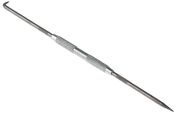
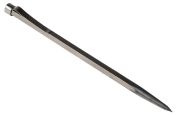
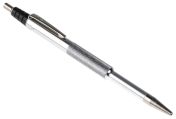
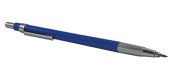
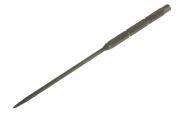
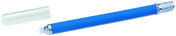
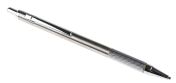
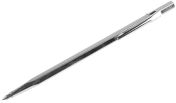
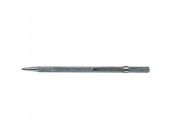
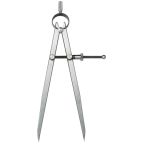
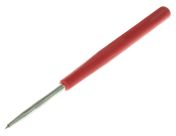
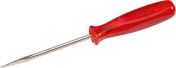
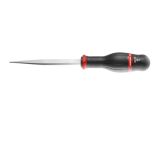
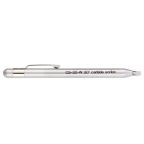
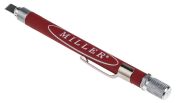
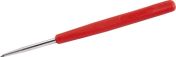
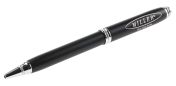
Scribers
Are you looking for a tool that you can use to mark a guide line to a workpiece before you machine it? Then you should think about using a scriber. They are quite useful to be used instead of pencils or pens to scribe lines. That's because the lines will just be shallow scratches, which you can easily smear or rub off.
How Scribers work?
Scribers work through a mechanical principle known as displacement. Rather than cutting or removing material like a blade, a scriber pushes material aside to form a fine, visible line on the surface.
This process begins with the tool’s hardened tip, typically made from tungsten carbide or diamond. Because this tip must be harder than the workpiece itself, it can physically press into the surface without wearing down. As pressure is applied and the scriber is drawn across the material, the tip displaces tiny amounts of material along its path, creating a permanent scratch mark.
In other words, the line is formed by moving material out of the way, not by carving it out. As a result, scribers provide highly accurate marking for layout work, machining, metalworking, and other precision-based applications.
Applications of Scribers
Scribers are indispensable in many industrial settings because they produce clear, permanent marks that guide cutting, drilling, fitting, and assembly operations with precision.
Metalworking & Fabrication
In metalworking, scribers are used for layout work and marking sheet metal surfaces before fabrication. Craftsmen use them to define cut lines, bend lines, and reference edges on steel, aluminum, and other metals. They also help indicate drill centers and alignment points before center-punching, ensuring subsequent machining steps are accurate and error-free. Using layout fluids can enhance line visibility during these preparatory steps.
Pipe Fitting & Mechanical Assembly
In piping and mechanical assembly, scribers play a crucial role in marking precise cut and fit locations on pipes and fittings. Pipefitters rely on them to scribe circumference lines and reference marks that guide cutting, bending, and weld preparation. These marks help ensure that parts mate correctly and maintain tolerance in complex assemblies.
Aerospace & Automotive Industries
Precision is paramount in aerospace and automotive manufacturing, where scribers are used to mark components for machining, inspection, and traceability. In aerospace, scribed marks withstand extreme environments and help maintain strict quality standards. Automotive technicians likewise use scribers to mark body panels, engine components, and structural parts for accurate fabrication and repair.
Features and Benefits of Scribers
Scribers offer a blend of precision, durability, and user-friendly features tailored to demanding workshop environments.
- Long-Lasting Precision: Tungsten Carbide scribers deliver excellent longevity and wear resistance compared with standard steel points, allowing sharp, consistent marking on hard materials like hardened steel and ceramics without frequent replacement. Because tungsten carbide remains harder than most workpieces, it maintains fine lines during heavy use with minimal dulling, making it ideal for repeated metalwork layout tasks.
- Marking Ultra-Hard Surfaces: Tools with diamond tips excel at scoring exceptionally hard materials like glass, and silicon. Diamond’s extreme hardness ensures crisp, durable lines on surfaces that carbide might struggle with, and the marking lasts through machining and fabrication stages.
- Superior Grip: Many scribers feature knurled or textured bodies that improve grip, even when hands are oily, sweaty, or gloved. This enhanced control supports precise line work and reduces hand fatigue during prolonged layout and marking operations.
Types of Scribers
Scribers come in several useful formats tailored to different marking tasks and work environments.
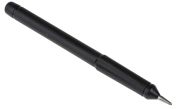
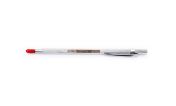
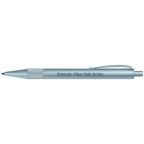
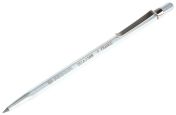
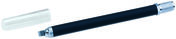
- Pocket Scribers: Pocket Scriber are compact, pen‑style scribers designed for on‑the‑go marking. These tools often include clips and retractable or protective tips, making them safe to carry and quick to deploy for light layout work or spot marking before machining. Their size makes them ideal for technicians who need a precise marker within reach.
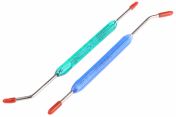
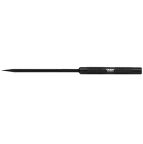
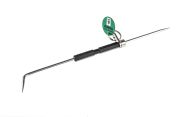
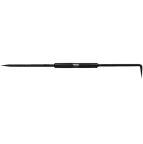
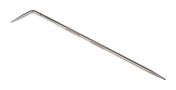
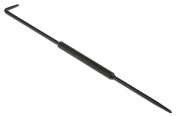
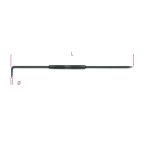
- Double‑Ended Scribers: These scribers offer two marking points in one tool. Typically featuring a straight point and an angled or bent point, double-ended scribers help you reach into tight corners, inside holes, or under ridges without switching tools. This versatility is especially useful in fabrication and detailed layout applications.
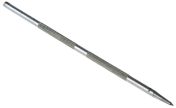
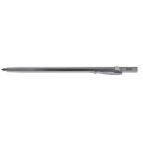
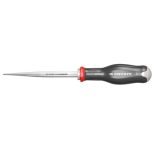
- Machinist’s Scribers: These scribers feature robust bodies and hardened tips, often with textured grips for better control. Designed for consistent pressure and precision on workshop layouts, they excel in metalworking and engineering tasks where reliable, repeatable scribed lines are required before cutting or drilling.
How to install Scribers?
Installing a scriber correctly is essential for accurate marking and clean layout work.
- Prepare the Workpiece Surface: Begin by cleaning the surface to remove dirt, oil, and debris. A dry, clean workpiece helps the scriber tip contact the surface evenly, preventing slips and uneven marks. Use a cloth or soft brush to prepare the area before marking.
- Check and Adjust the Scriber Point: Ensure the scriber’s tip is sharp and undamaged. If your model has a retractable, reversible, or replaceable tip, extend or swap the point as needed before use. A keen point produces clear lines and reduces drag.
- Use Guides and Fixtures: Position a straightedge, ruler, or square along the intended line on the workpiece. This gives you a reliable reference for drawing accurate scribe lines. Firmly hold the guide in place while you draw the scriber along it.
- Grip and Angle: Hold the scriber like a pencil with a firm grip, and position it at a slight angle to the surface. This helps maintain contact and control as you move along the guide, creating consistent, visible marks.
- Final Check: After marking, inspect your lines for clarity and accuracy. Wipe away any metal shavings or residue to keep the work area clean and the tool in good condition before storage.
How to Choose the Right Scribers?
When selecting a scriber, match the tool’s features to your project’s specific requirements, from material hardness and access needs to everyday convenience.
- Workpiece Hardness: Assess the material you’ll be marking. For softer metals or general layout, a standard hardened steel or carbide‑tipped scriber will suffice, but very hard surfaces like hardened steel or stainless require a tungsten carbide or even diamond‑tipped point that’s harder than the workpiece to make effective marks.
- Reach & Accessibility: Consider the shape of your workpiece and where you need to mark. If you frequently work in confined spaces, choose a scriber with a hooked or angled tip to reach internal areas without awkward positioning.
- Portability & Convenience: Decide if you need a tool you can carry easily. Pocket scribers with clips and retractable tips are ideal for technicians on the go, keeping the tool secure and ready in your apron or pocket.
Scribers Manufacturer, Supplier & Distributor in Australia
RS is a leading manufacturer, supplier, and distributor of high-quality scribers in Australia, offering a wide range of tools suitable for metal, glass, and precision marking applications. We carry scribers from reputable brands like Facom, MikronTec and Miller.
You can also explore other essential workshop tools from RS, including thread die tools, machinist squares, and more.
If you are looking to order scribers from RS in Australia, you can place your order online and enjoy fast delivery across Australia. For detailed delivery options and charges, refer to our delivery page.