Crimp Pin Connectors
Crimp pin connectors are solderless electrical connections that utilise physical pressure to join wires to connectors. A crimping tool is used to apply pressure to the connector, and secure it around a wire. This creates a strong mechanical and electrical bond. Crimp pin connectors are commonly used in situations where soldering is impractical, such as in automotive or industrial applications.
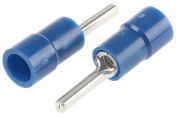
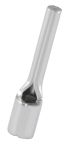
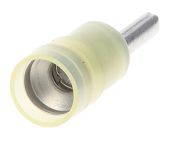
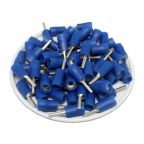
Other types of electrical pin connectors used in wire terminal and splicing applications include wire crimp pin connectors, insulated pin connectors and pin terminals. RS Australia carries a wide range of high-quality crimp pin terminals and insulated pin terminals suitable for various applications.
Types of Crimp Pin Connectors
Wire Crimp Pin Connectors
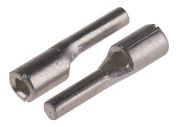
These are solderless electrical connections where a stripped wire end is compressed into a metal pin, creating a durable mechanical and electrical bond. They are widely used in automotive wiring harnesses and industrial control systems where vibration resistance and quick assembly are crucial.
Crimp Contact Pins
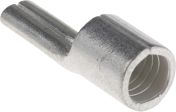
The metallic component of a crimp connector, these contact pins are designed to be crimped onto a wire. They offer a secure, gas-tight electrical connection resistant to environmental factors and are often found in telecommunications and PCB assemblies.
Insulated Pin Connectors
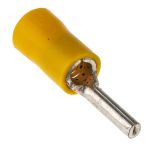
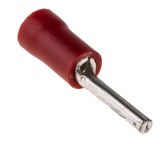
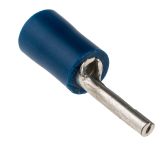
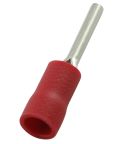
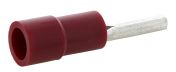
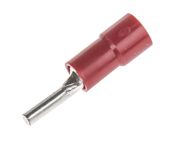
Essentially crimp pin connectors with an added layer of insulation, which shields against electrical isolation, short circuits and environmental damage. They are commonly employed in residential wiring, automotive electrical systems, and industrial machinery where safety and protection from moisture or dust are critical.
Key Factors to Consider When Choosing Crimp Pin Connectors
- Connector Size: Consider current carrying capacity, polarity and pitch. 1.57mm pin connectors are favoured for their large contact surface area and tight fit, but can be a hassle to remove. Meanwhile, 5-Pin Connectors are commonly found in vehicles with higher electrical demands, such as semitrucks, trailers and RVs.
- Size and Pin Configuration: Ensure that the number and arrangement of pins match the circuit's electrical requirements and the mating connector. A 10-pin connector is perfect for a data bus, and suited for industries requiring robust and reliable data communication such as the aerospace and defense industries.
- Minimum and Maximum Wire Size: The crimp pin must accommodate the gauge of the wire being used, ensuring a secure and optimal crimp that prevents loose connections or wire damage. For instance, matching a crimp pin designed for 20 AWG wire when using that specific wire size.
- Current Rating / Voltage Compatibility: The connector's current and voltage ratings must exceed the maximum electrical load of the application to prevent overheating, arcing, or system failure. For example, a connector rated for at least 10A and 250V should be chosen for a motor drawing 8A at 240V.
Mistakes to Avoid When Buying Crimp Pin Connectors
- Using the Wrong Connector Size/Gauge: Attempting to crimp a 14 AWG wire into a pin designed for 22 AWG will result in a weak, unreliable connection that can easily pull out or cause electrical issues.
- Overlooking Insulation Requirements: Failing to select a connector with appropriate insulation for high-voltage applications, like using an uninsulated crimp terminal for a 240V AC connection can increase the risk of short circuits or electric shock.
- Choosing the Wrong Current Rating: Selecting a crimp pin rated for only 5 amps for a circuit that draws 15 amps will lead to overheating, potential melting of the connector, and system failure.
- Ignoring Material and Corrosion Resistance: Using standard brass crimp pins in a marine environment will result in rapid degradation of the connection and eventual failure, due to their susceptibility to saltwater corrosion.
Industry Applications
What Are Crimp Pin Connectors Used For?
Crimp pin connectors are commonly deployed across industrial, military, automotive and other large-scale applications due to their durability and flexibility. The automotive sector often uses crimp pin connectors for wiring because they do not need soldering.
- Electrical Systems: Crimp pin connectors are used to terminate wires for secure connections within control panels, distribution boxes, and wiring harnesses in buildings, such as connecting wires to circuit breakers or relay terminals.
- Automotive & Industrial: They are extensively used to create reliable and vibration-resistant connections in vehicle wiring harnesses for components like sensors and Electronic Control Units (ECUs), and in industrial machinery for motor controls and automation systems.
- Consumer Electronics: Crimp pin connectors enable modular and repairable connections within devices such as desktop computers for power supply units to motherboards, or in household appliances for internal wiring, facilitating assembly and servicing.
Leading Supplier and Distributor of Crimp Pin Connectors in Australia
RS Australia is the leading supplier and distributor of high-quality crimp pin connectors, pin terminals and pin crimps. We stock products from industry leaders such as RS PRO, TE Connectivity and JST. We also carry other wire terminals and splicing supplies such as bootlace ferrules and crimp terminal housings. For more information on our delivery services, check out our delivery page.

Popular Searches
Related links
- RS PRO Uninsulated Crimp Pin Connector 12AWG to 10AWG 10mm Pin Length
- RS PRO Insulated 1.5mm² to 2.5mm² 1.9mm Pin Diameter Blue
- RS PRO Uninsulated 16mm² to 16mm² 5.5mm Pin Diameter Silver
- Wire Terminals & Splices
- TE Connectivity 1mm² to 2.6mm² 1.8mm Pin Diameter, Blue
- TE Connectivity Tin Crimp Pin Connector 22AWG to 16AWG
- TE Connectivity Tin Crimp Pin Connector 12AWG to 10AWG
- JST 2.6mm² to 6.6mm² 2.7mm Pin Diameter Yellow